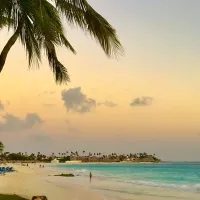
- Aruba has more than 40 beaches and coastal swimming areas around the island.
- Eagle Beach consistently ranks among the best beaches in the Caribbean and the world.
- Palm Beach is Aruba's most popular resort beach with restaurants, bars, and water sports.
- Baby Beach offers shallow, calm water ideal for families with young children.
- Arashi Beach is one of Aruba's top snorkeling destinations.
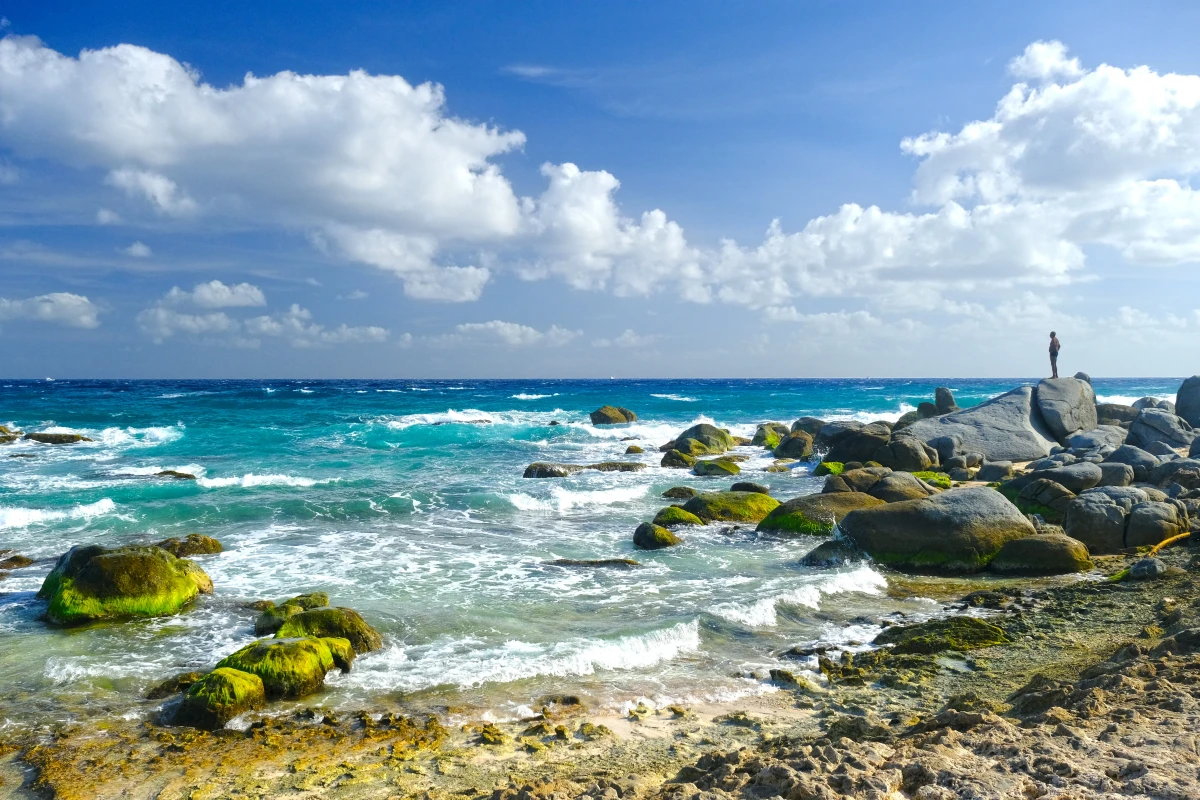
- The island's southern and western coasts feature calm waters, while the northern coast is wild and rugged.
- Most Aruba beaches are free to access and open year-round.
- Aruba enjoys sunshine and beach weather almost every day of the year.
- Several beaches serve as nesting sites for sea turtles.
- Aruba's beaches range from lively tourist hotspots to remote hidden gems.
Useful links


Aruba beaches on map
%22%2F%3E%0A%20%20%20%20%20%20%20%20%3C%2Ffilter%3E%0A%20%20%20%20%20%20%3C%2Fdefs%3E%0A%20%20%20%20%20%20%3Crect%20x%3D%221%22%20y%3D%225%22%20width%3D%2242%22%20height%3D%2226%22%20rx%3D%2213%22%20ry%3D%2213%22%0A%20%20%20%20%20%20%20%20%20%20%20%20fill%3D%22white%22%20stroke%3D%22%23e1e1e8%22%20stroke-width%3D%221%22%20filter%3D%22url(%23s)%22%2F%3E%0A%20%20%20%20%20%20%3Ctext%20x%3D%2222%22%20y%3D%2223%22%20text-anchor%3D%22middle%22%0A%20%20%20%20%20%20%20%20%20%20%20%20font-family%3D%22-apple-system%2CBlinkMacSystemFont%2C'Segoe%20UI'%2Csans-serif%22%0A%20%20%20%20%20%20%20%20%20%20%20%20font-size%3D%2213%22%20font-weight%3D%22700%22%20fill%3D%22%23353345%22%3E12%3C%2Ftext%3E%0A%20%20%20%20%3C%2Fsvg%3E)
%22%2F%3E%0A%20%20%20%20%20%20%20%20%3C%2Ffilter%3E%0A%20%20%20%20%20%20%3C%2Fdefs%3E%0A%20%20%20%20%20%20%3Crect%20x%3D%221%22%20y%3D%225%22%20width%3D%2242%22%20height%3D%2226%22%20rx%3D%2213%22%20ry%3D%2213%22%0A%20%20%20%20%20%20%20%20%20%20%20%20fill%3D%22white%22%20stroke%3D%22%23e1e1e8%22%20stroke-width%3D%221%22%20filter%3D%22url(%23s)%22%2F%3E%0A%20%20%20%20%20%20%3Ctext%20x%3D%2222%22%20y%3D%2223%22%20text-anchor%3D%22middle%22%0A%20%20%20%20%20%20%20%20%20%20%20%20font-family%3D%22-apple-system%2CBlinkMacSystemFont%2C'Segoe%20UI'%2Csans-serif%22%0A%20%20%20%20%20%20%20%20%20%20%20%20font-size%3D%2213%22%20font-weight%3D%22700%22%20fill%3D%22%23353345%22%3E14%3C%2Ftext%3E%0A%20%20%20%20%3C%2Fsvg%3E)
%22%2F%3E%0A%20%20%20%20%20%20%20%20%3C%2Ffilter%3E%0A%20%20%20%20%20%20%3C%2Fdefs%3E%0A%20%20%20%20%20%20%3Crect%20x%3D%221%22%20y%3D%225%22%20width%3D%2242%22%20height%3D%2226%22%20rx%3D%2213%22%20ry%3D%2213%22%0A%20%20%20%20%20%20%20%20%20%20%20%20fill%3D%22white%22%20stroke%3D%22%23e1e1e8%22%20stroke-width%3D%221%22%20filter%3D%22url(%23s)%22%2F%3E%0A%20%20%20%20%20%20%3Ctext%20x%3D%2222%22%20y%3D%2223%22%20text-anchor%3D%22middle%22%0A%20%20%20%20%20%20%20%20%20%20%20%20font-family%3D%22-apple-system%2CBlinkMacSystemFont%2C'Segoe%20UI'%2Csans-serif%22%0A%20%20%20%20%20%20%20%20%20%20%20%20font-size%3D%2213%22%20font-weight%3D%22700%22%20fill%3D%22%23353345%22%3E7%3C%2Ftext%3E%0A%20%20%20%20%3C%2Fsvg%3E)
%22%2F%3E%0A%20%20%20%20%20%20%20%20%3C%2Ffilter%3E%0A%20%20%20%20%20%20%3C%2Fdefs%3E%0A%20%20%20%20%20%20%3Crect%20x%3D%221%22%20y%3D%225%22%20width%3D%2242%22%20height%3D%2226%22%20rx%3D%2213%22%20ry%3D%2213%22%0A%20%20%20%20%20%20%20%20%20%20%20%20fill%3D%22white%22%20stroke%3D%22%23e1e1e8%22%20stroke-width%3D%221%22%20filter%3D%22url(%23s)%22%2F%3E%0A%20%20%20%20%20%20%3Ctext%20x%3D%2222%22%20y%3D%2223%22%20text-anchor%3D%22middle%22%0A%20%20%20%20%20%20%20%20%20%20%20%20font-family%3D%22-apple-system%2CBlinkMacSystemFont%2C'Segoe%20UI'%2Csans-serif%22%0A%20%20%20%20%20%20%20%20%20%20%20%20font-size%3D%2213%22%20font-weight%3D%22700%22%20fill%3D%22%23353345%22%3E2%3C%2Ftext%3E%0A%20%20%20%20%3C%2Fsvg%3E)
%22%2F%3E%0A%20%20%20%20%20%20%20%20%3C%2Ffilter%3E%0A%20%20%20%20%20%20%3C%2Fdefs%3E%0A%20%20%20%20%20%20%3Crect%20x%3D%221%22%20y%3D%225%22%20width%3D%2242%22%20height%3D%2226%22%20rx%3D%2213%22%20ry%3D%2213%22%0A%20%20%20%20%20%20%20%20%20%20%20%20fill%3D%22white%22%20stroke%3D%22%23e1e1e8%22%20stroke-width%3D%221%22%20filter%3D%22url(%23s)%22%2F%3E%0A%20%20%20%20%20%20%3Ctext%20x%3D%2222%22%20y%3D%2223%22%20text-anchor%3D%22middle%22%0A%20%20%20%20%20%20%20%20%20%20%20%20font-family%3D%22-apple-system%2CBlinkMacSystemFont%2C'Segoe%20UI'%2Csans-serif%22%0A%20%20%20%20%20%20%20%20%20%20%20%20font-size%3D%2213%22%20font-weight%3D%22700%22%20fill%3D%22%23353345%22%3E10%3C%2Ftext%3E%0A%20%20%20%20%3C%2Fsvg%3E)

All 51 beaches of Aruba
Andicuri Beach
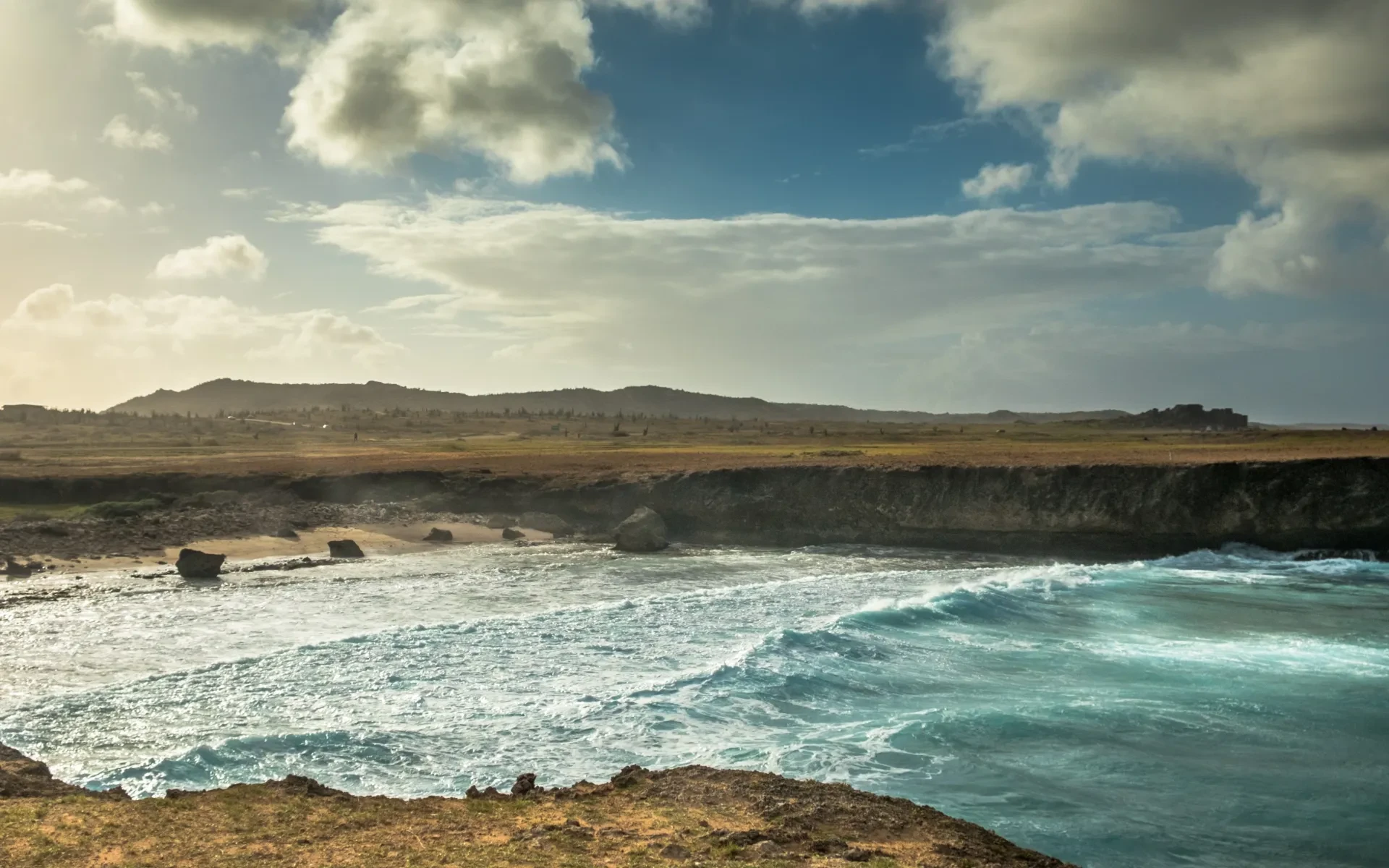
Andicuri Beach Aruba is one of the island’s most rugged escapes, hidden between limestone cliffs and crashing surf. Unlike the calm west-coast beaches, this wild cove feels remote and uncrowded, with bodyboarders riding waves instead of swimmers. Getting here is part of the adventure, but that’s exactly why I love it.
Arashi Beach
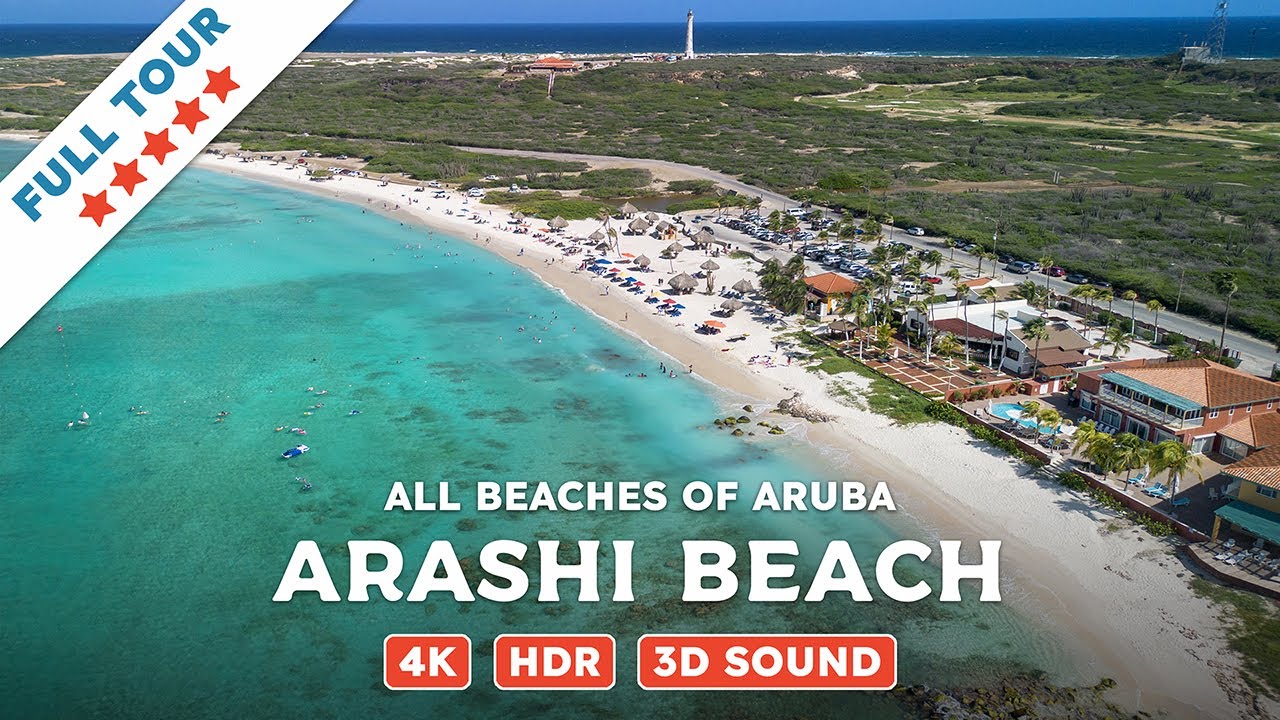
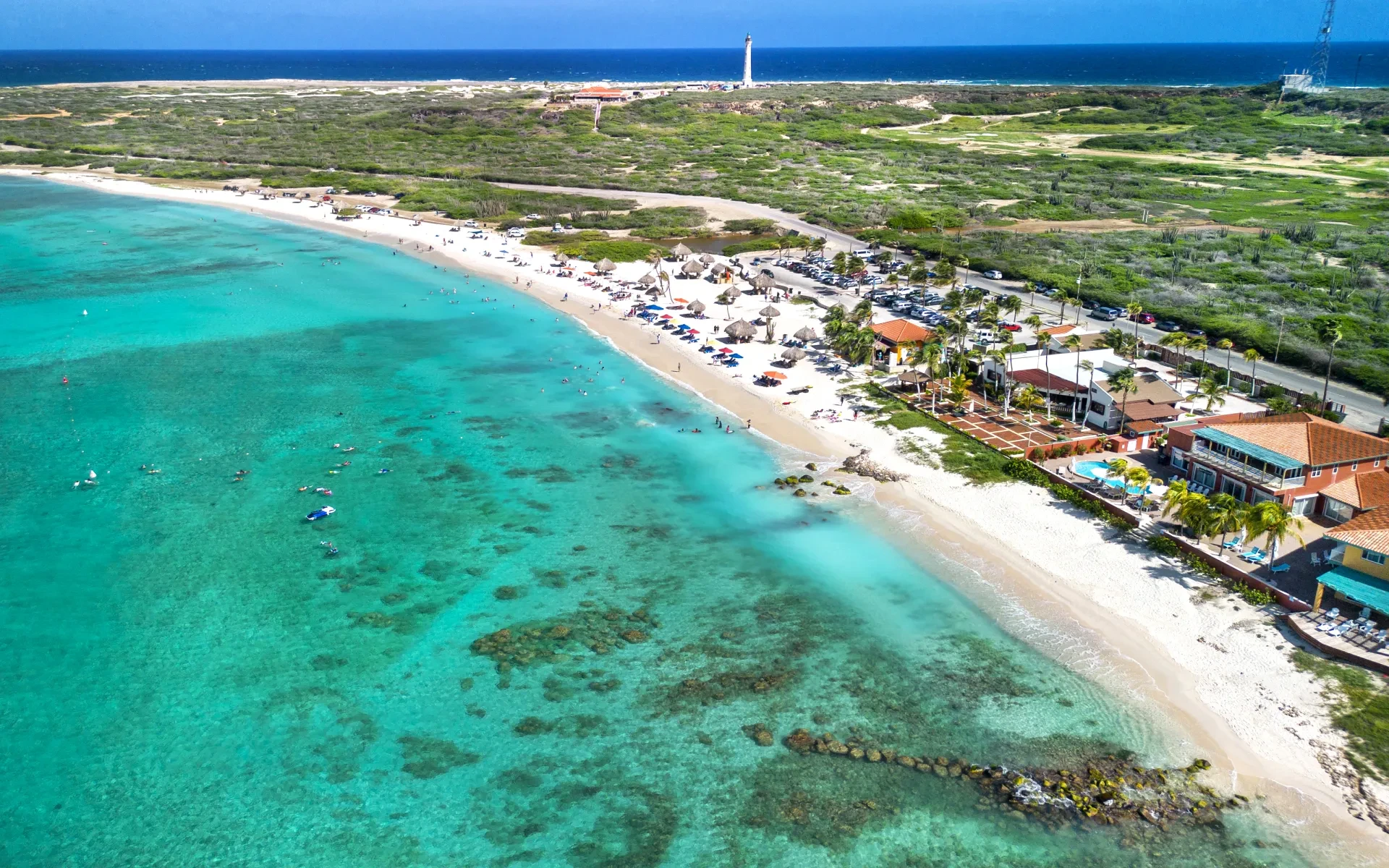
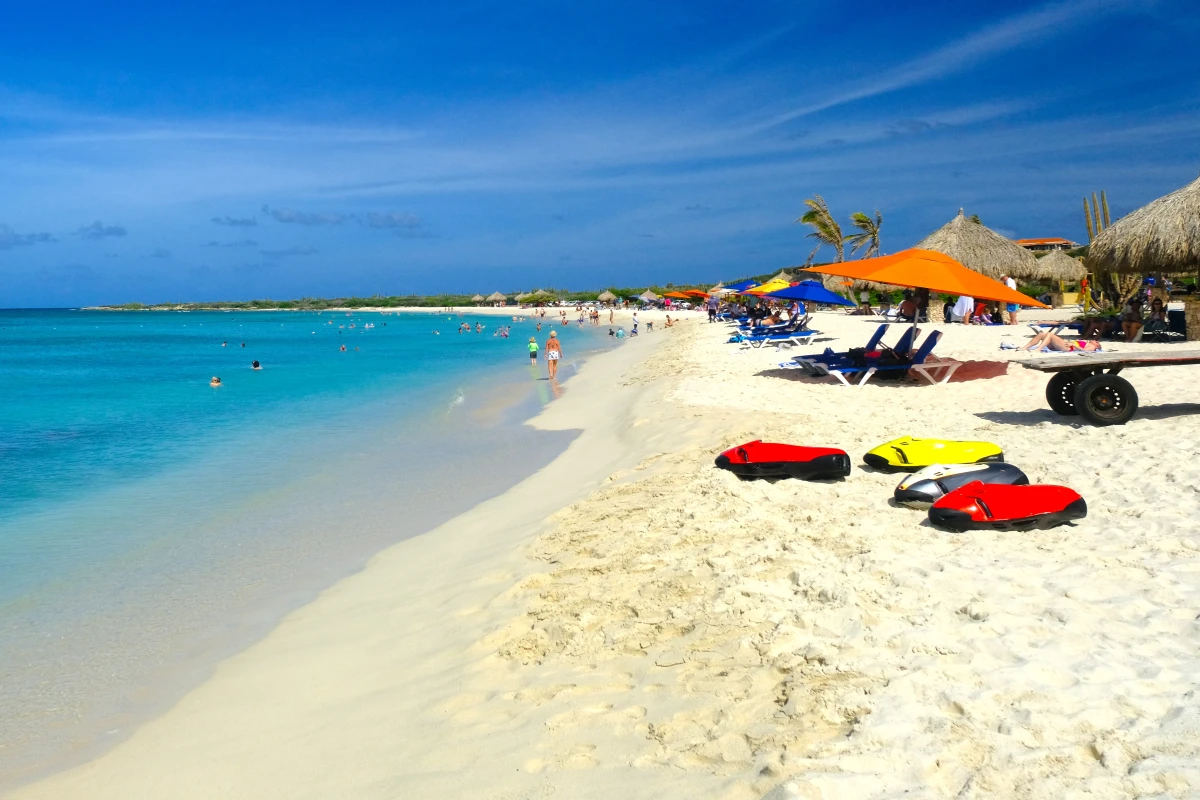
Arashi Beach Aruba is where I go when I want soft white sand, reef snorkeling close by, and a break from the big resort crowds. Located just past Malmok and under the California Lighthouse, this beach is perfect for relaxing swims and colorful underwater life. In this guide, I’ll show you the best times to visit, what to bring, things to do, and how to get there hassle-free.
Baby Beach
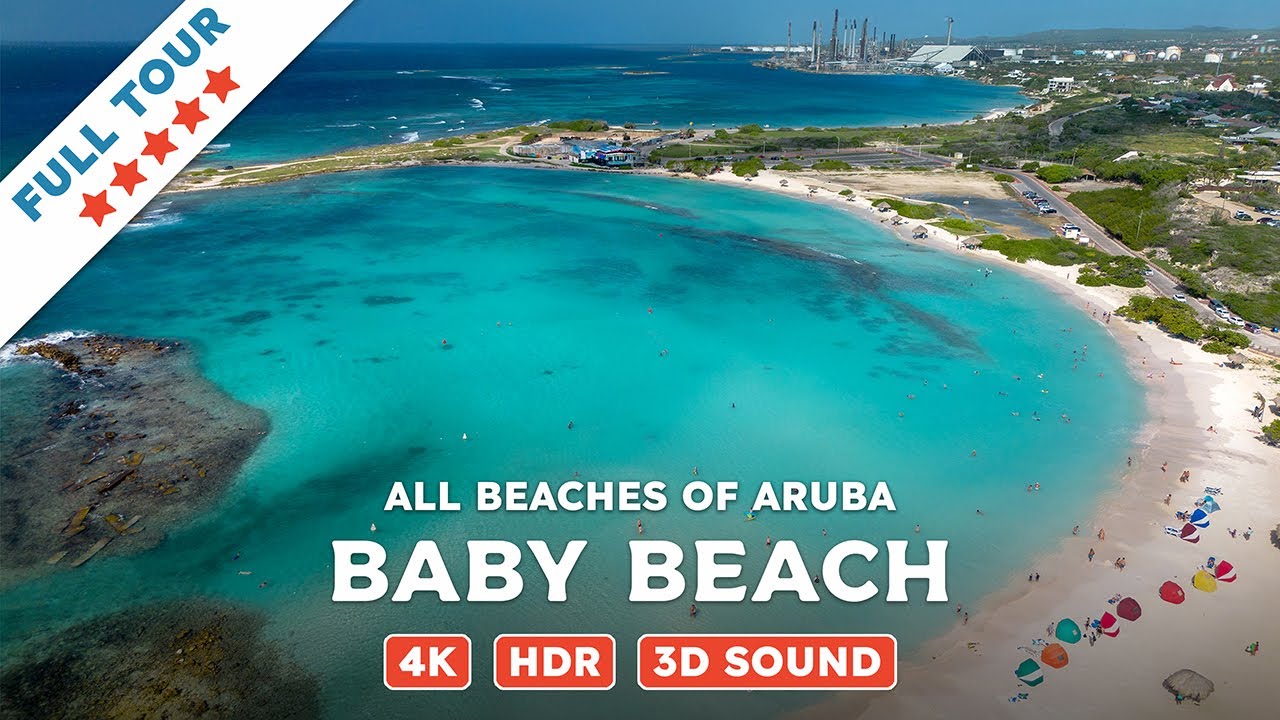
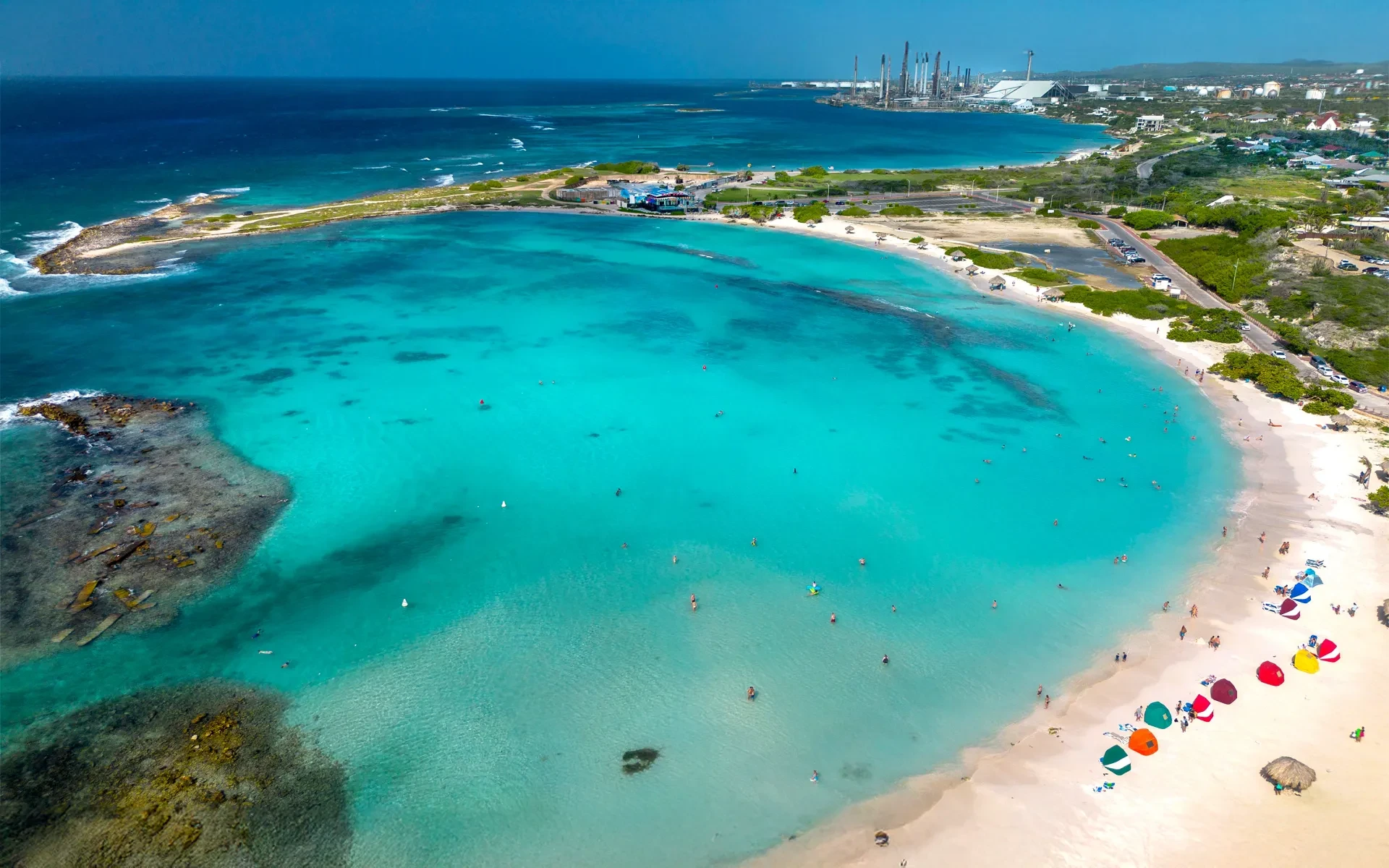
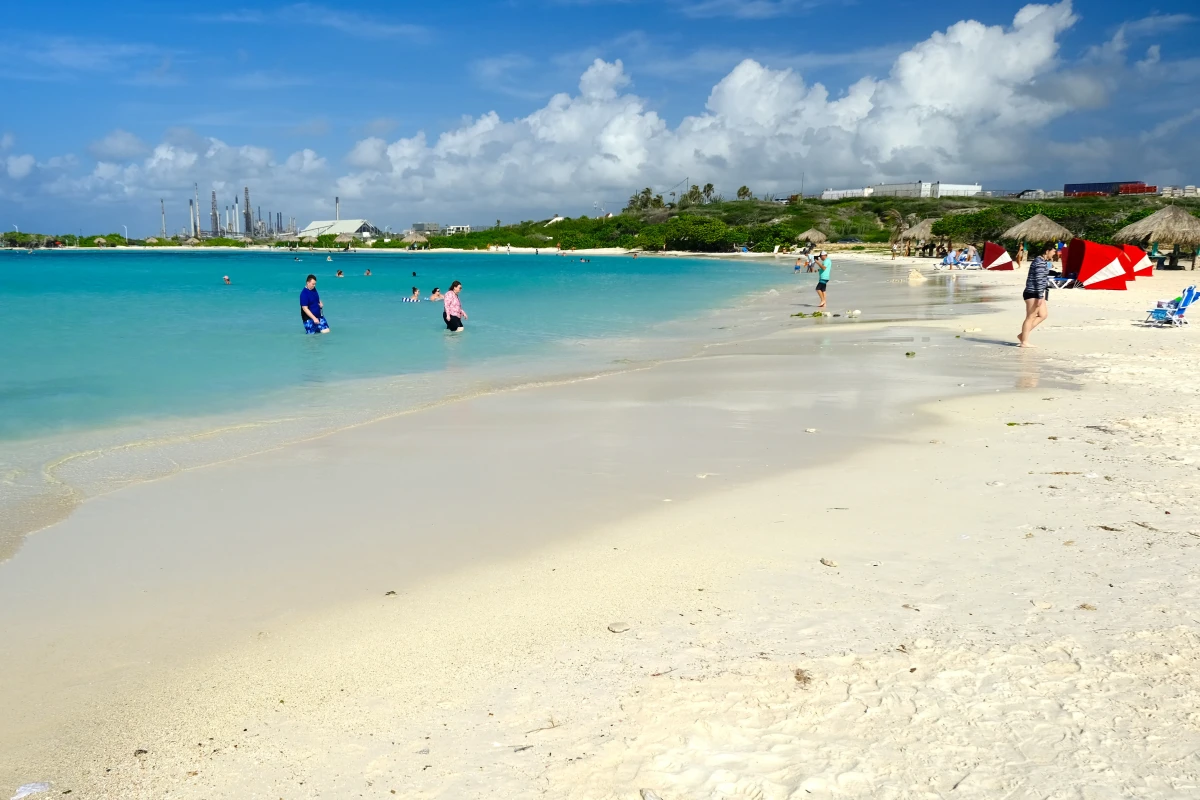
This sheltered man-made lagoon is located on the southeast end of the island and is popular among both tourists and locals. The shallow and calm water makes it safe for small children and everyone new to snorkeling. Squids, parrot fish, blowfish, angelfish and eels are all among the usual residents of the lagoon.
Bachelor's Beach
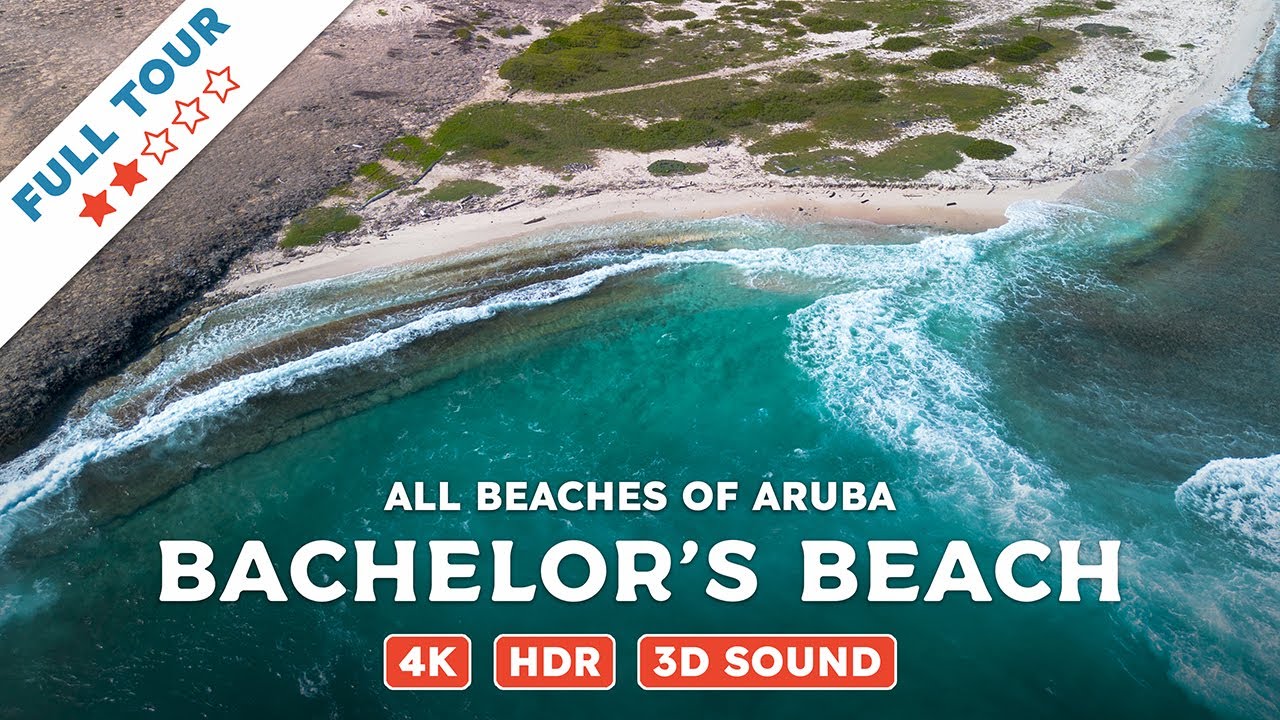
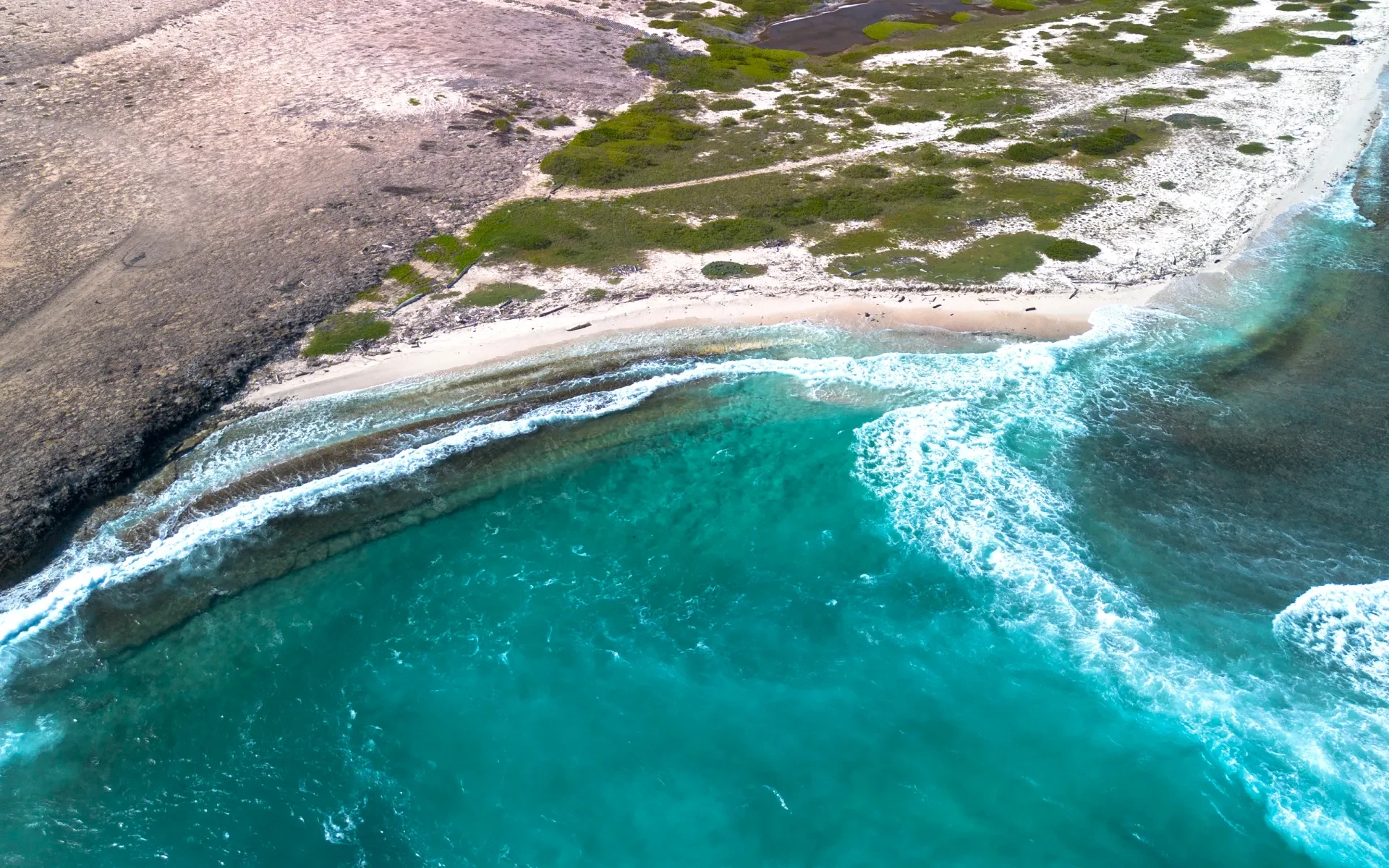
Bachelor’s Beach isn’t the kind of place you see on postcards. Past San Nicolas, the sand is windswept, the water is too rough to swim, and most days you won’t meet a single person. That’s exactly why I stopped here, to see a different, wilder side of Aruba — full of garbage.
Beach di Fossil
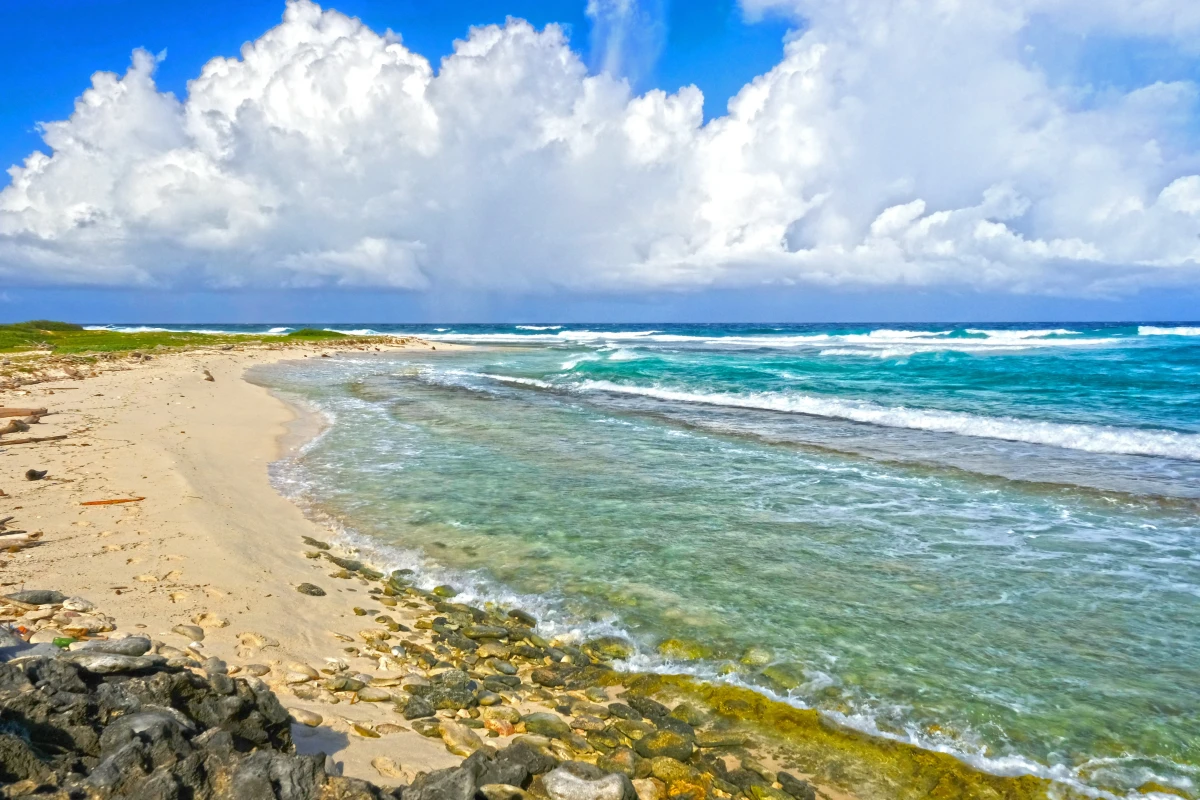
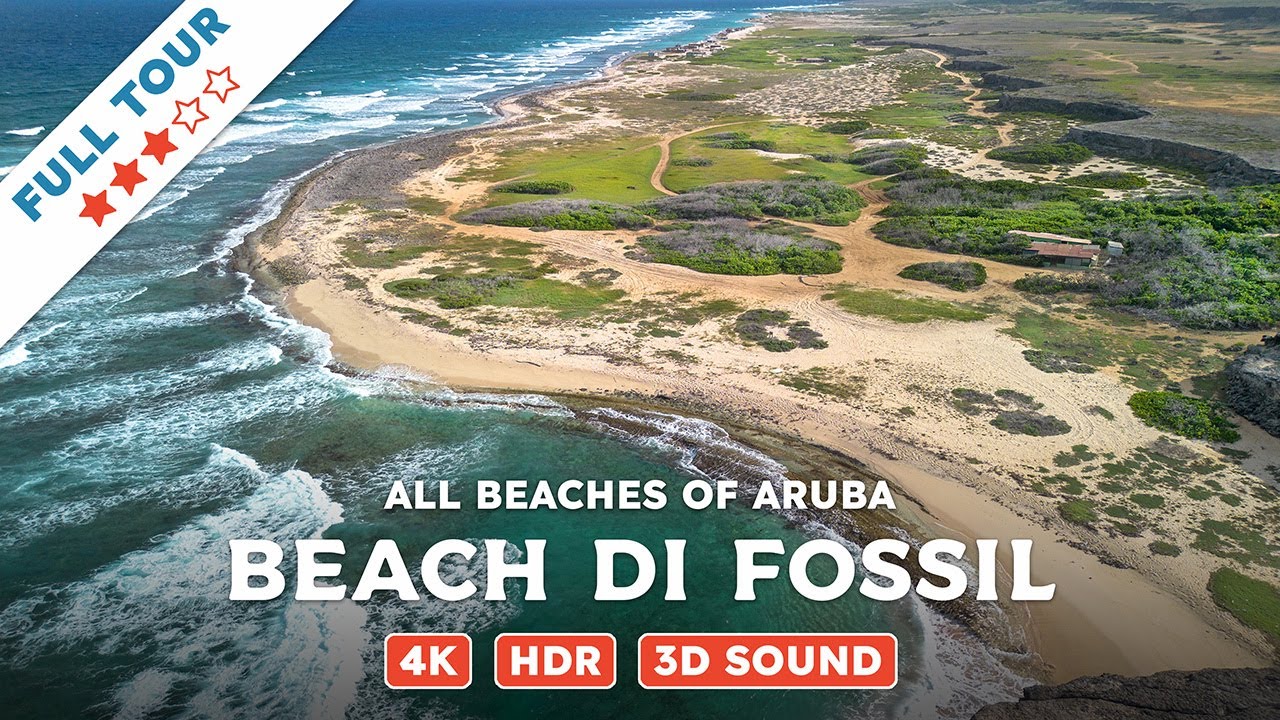
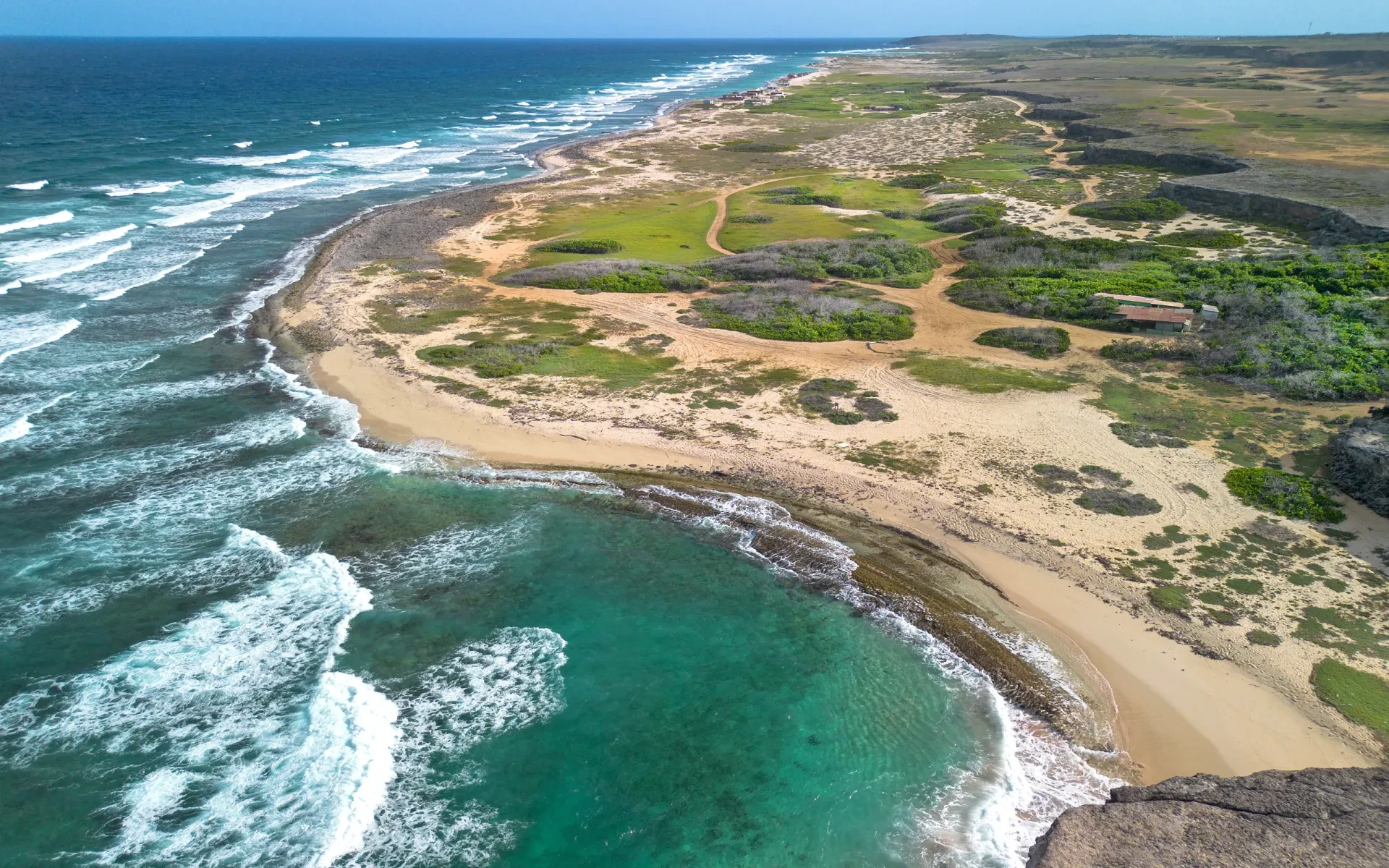
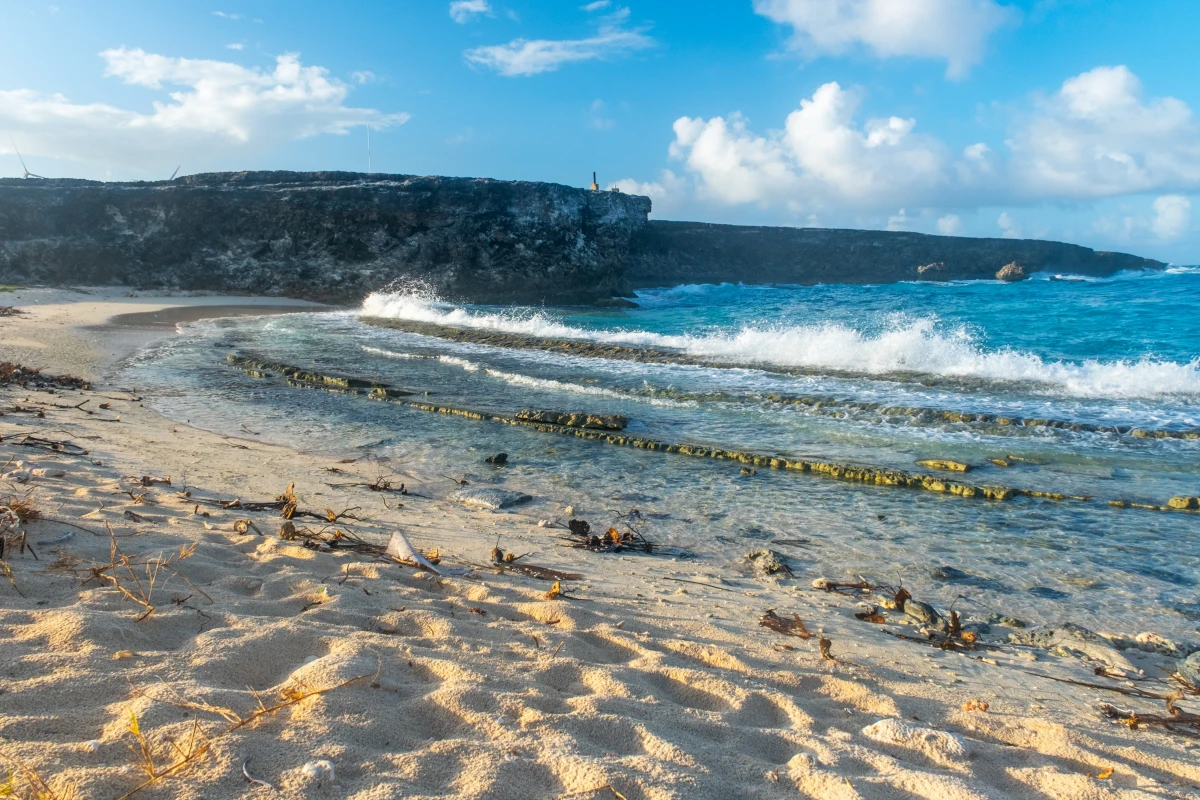
Beach di Fossil is probably Aruba's most off-the-beaten-path beach. A tiny, hidden stretch of coast at the far end of Grapefield Beach, scattered with dead fan corals and pounded by the waves. It’s not a place for swimming or snorkeling, but if you love wild landscapes, solitude, and raw beauty, this spot delivers.
Blackstone Beach
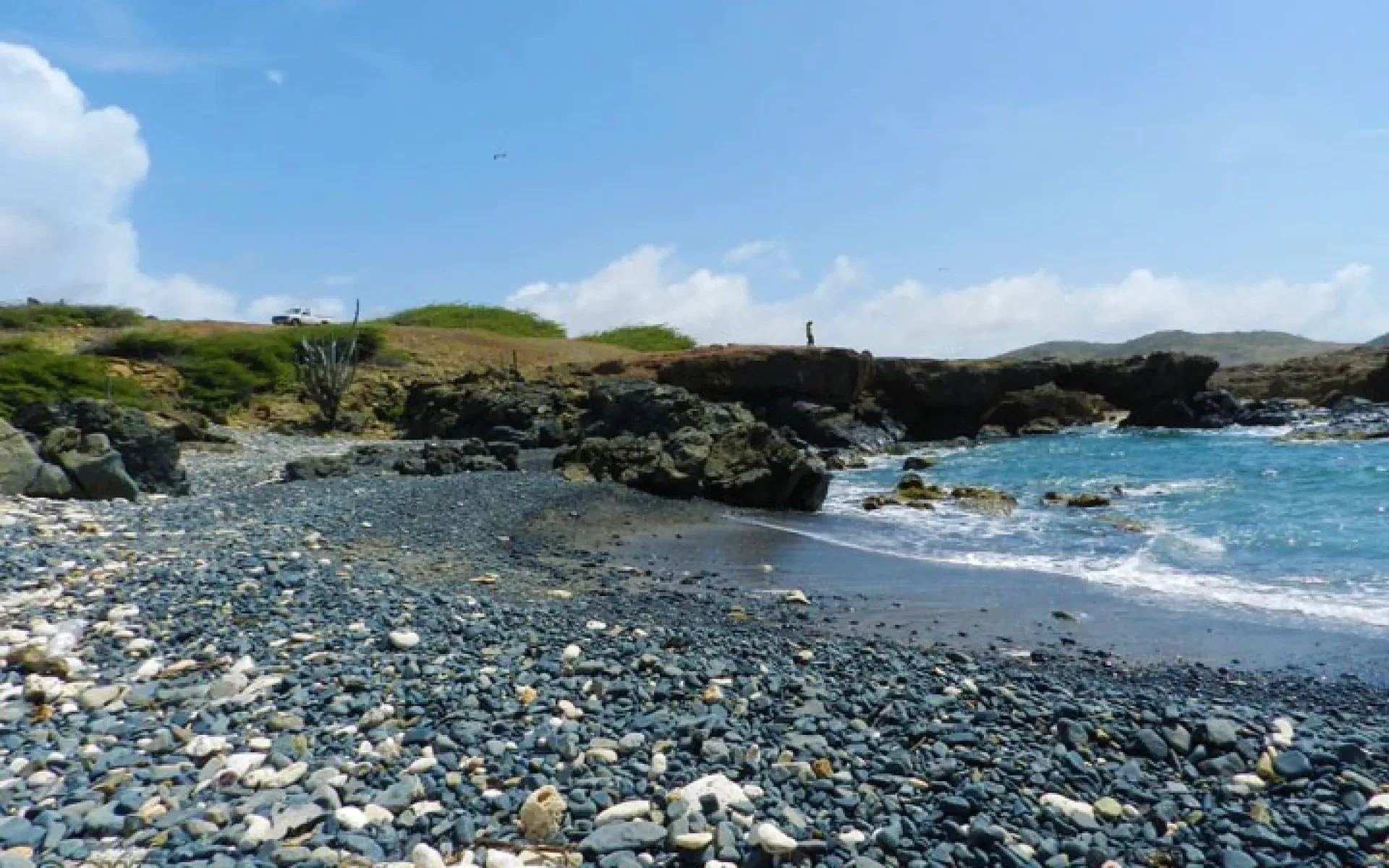
Aruba is famous for its pristine beaches, turquoise waters, and spectacular sunsets. But did you know that it also boasts a unique "black sand" beach that offers a stunning contrast to the island's white sand beaches? We are talking about of course the Aruba's Blackstone Beach that is made of small eroded stones. Here's how to plan your visit.
Boca Catalina
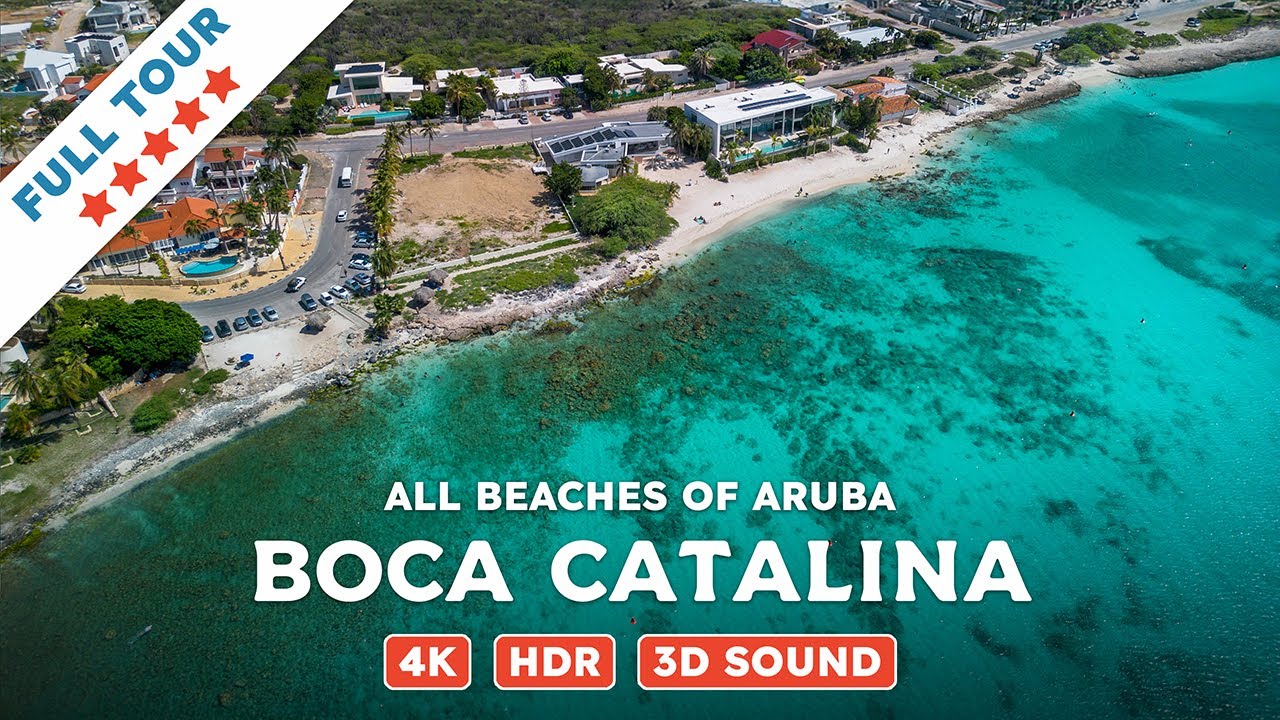
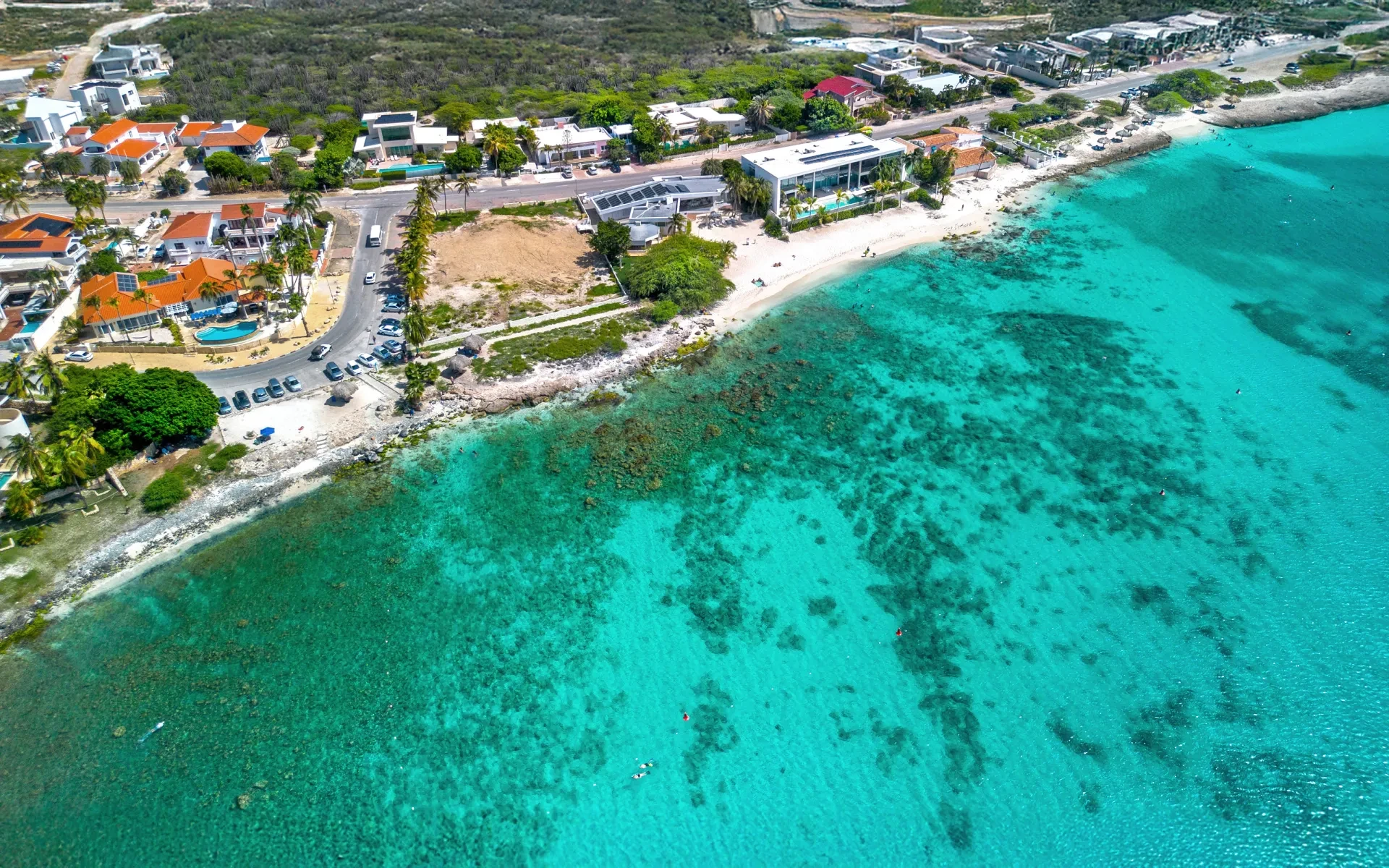
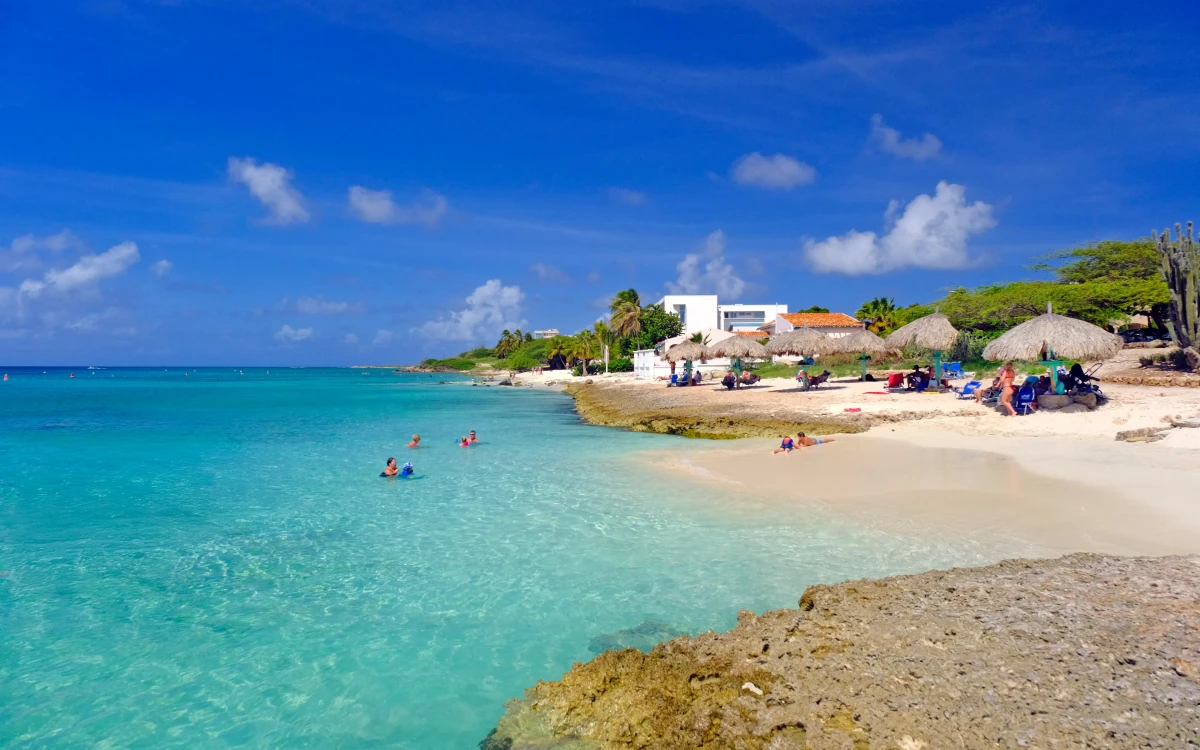
Boca Catalina in Aruba is that calm, hidden-gem beach that feels like your own slice of paradise. Located just north of Palm Beach in the Malmok area, Boca Catalina offers gentle snorkeling, white sand, and tranquil mornings. If you're looking to escape the crowds without sacrificing natural beauty or marine life, this beach should be high on your list.
Boca Grandi
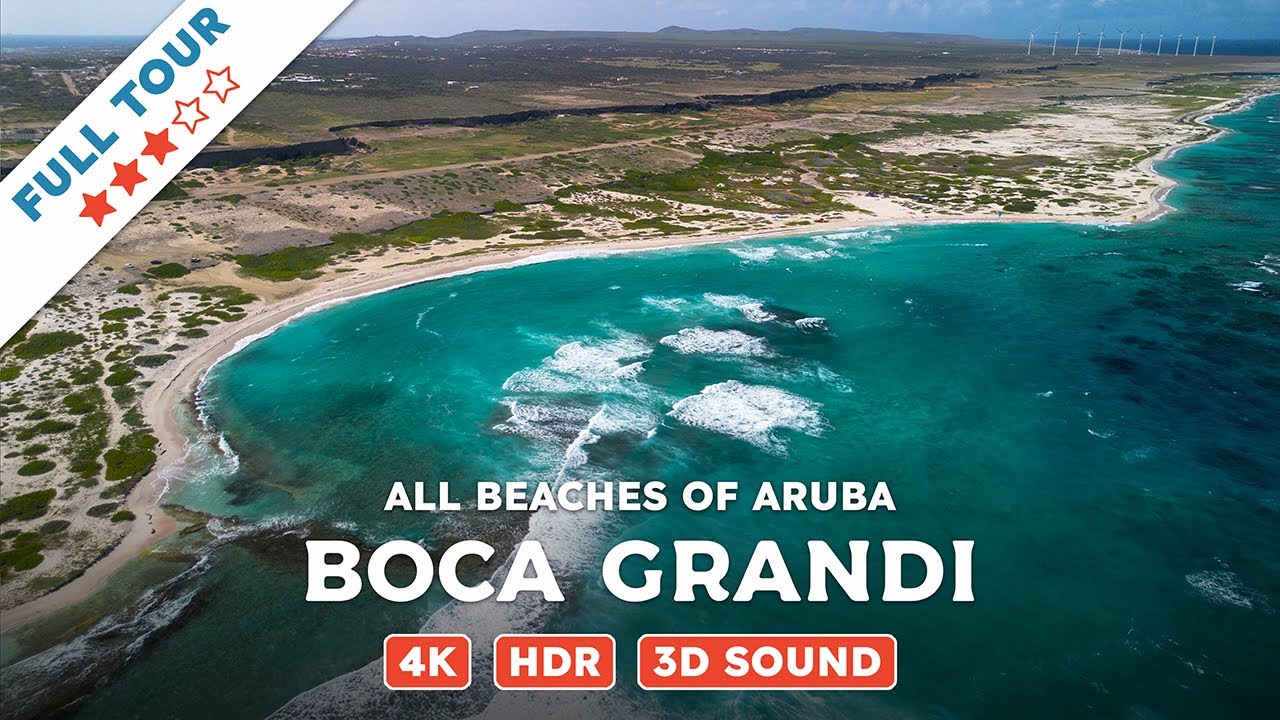
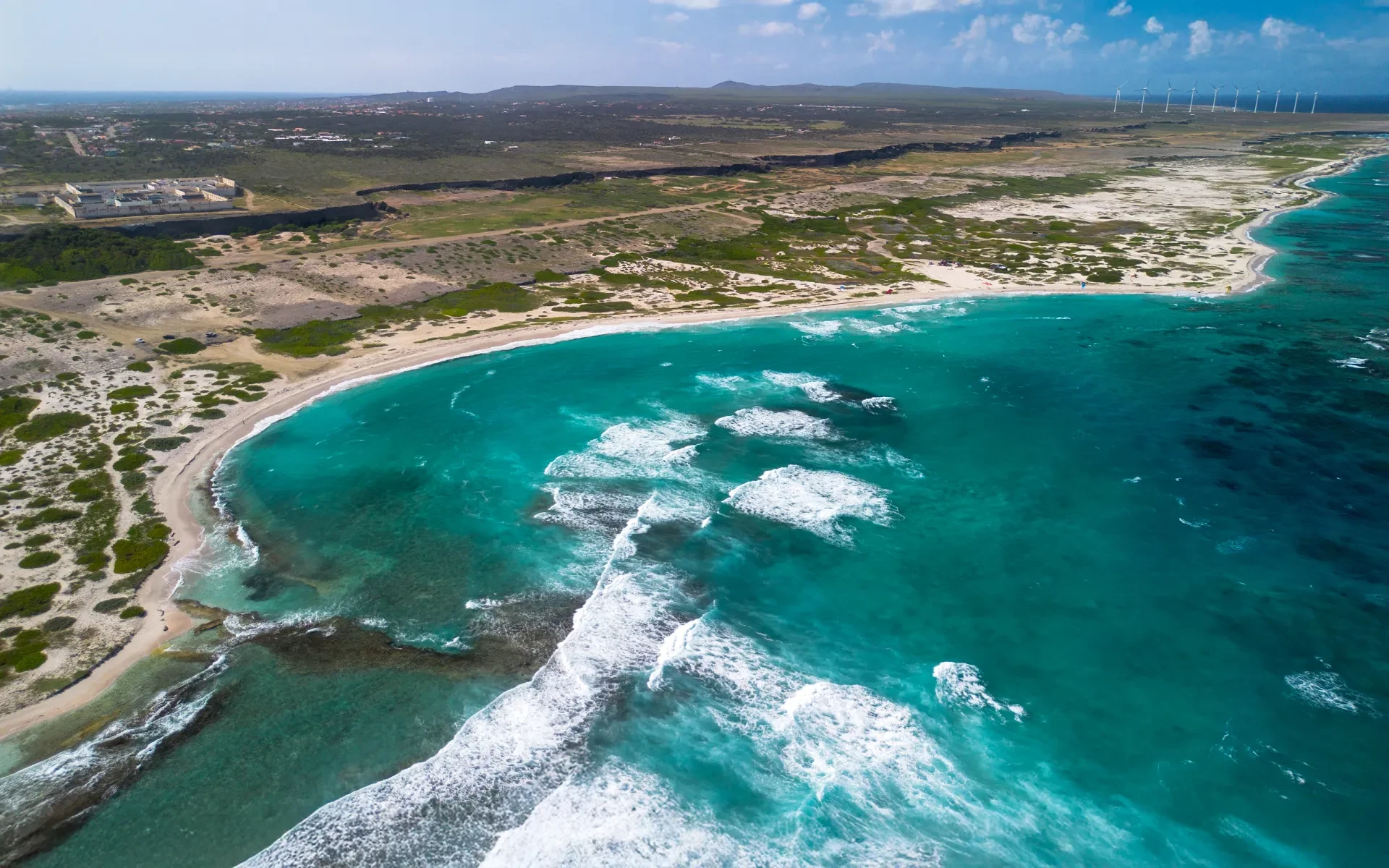
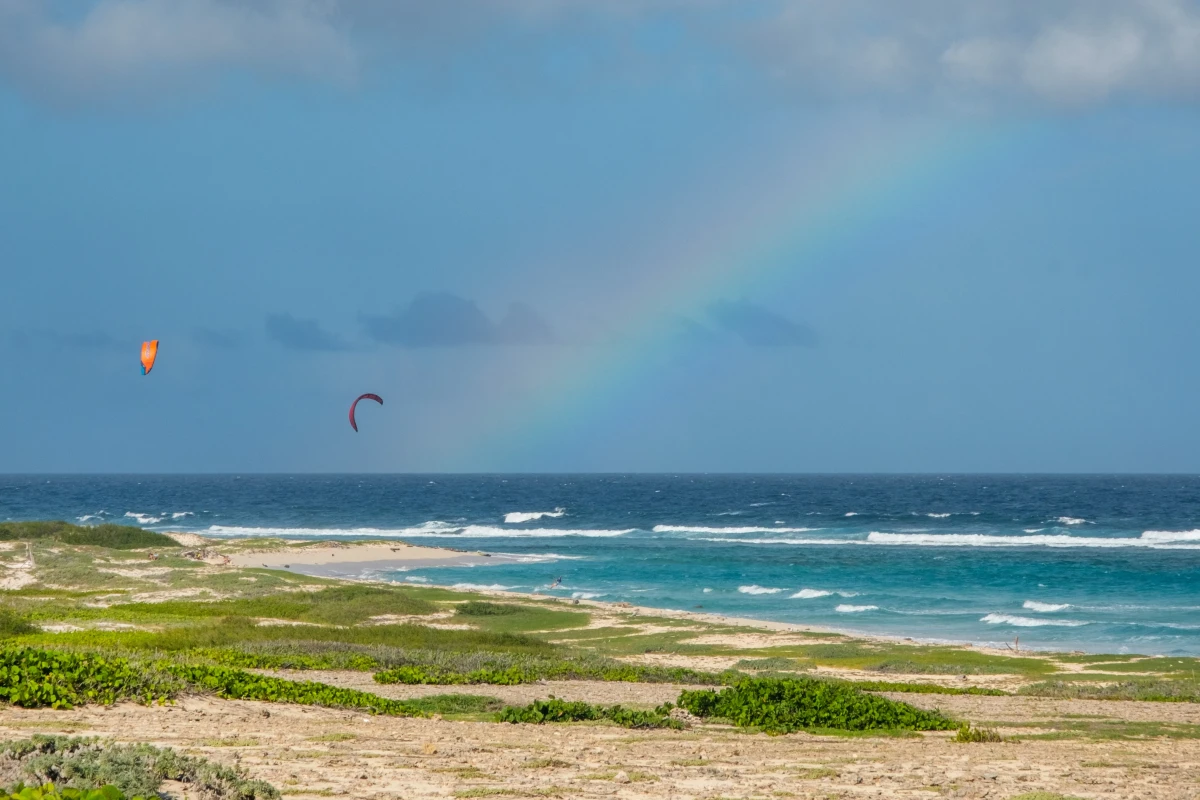
Boca Grandi is Aruba’s wild, wind-kissed edge—where kiters soar and the dunes meet open sea. I come here to watch the show, not to swim: the currents are strong and this isn’t a snorkeling spot. Think long walks, Red Anchor photos, and a quick hop to Baby Beach when you’re ready for calm water. If you want a raw, untamed coastline, Boca Grandi Aruba delivers.
Boca Keto
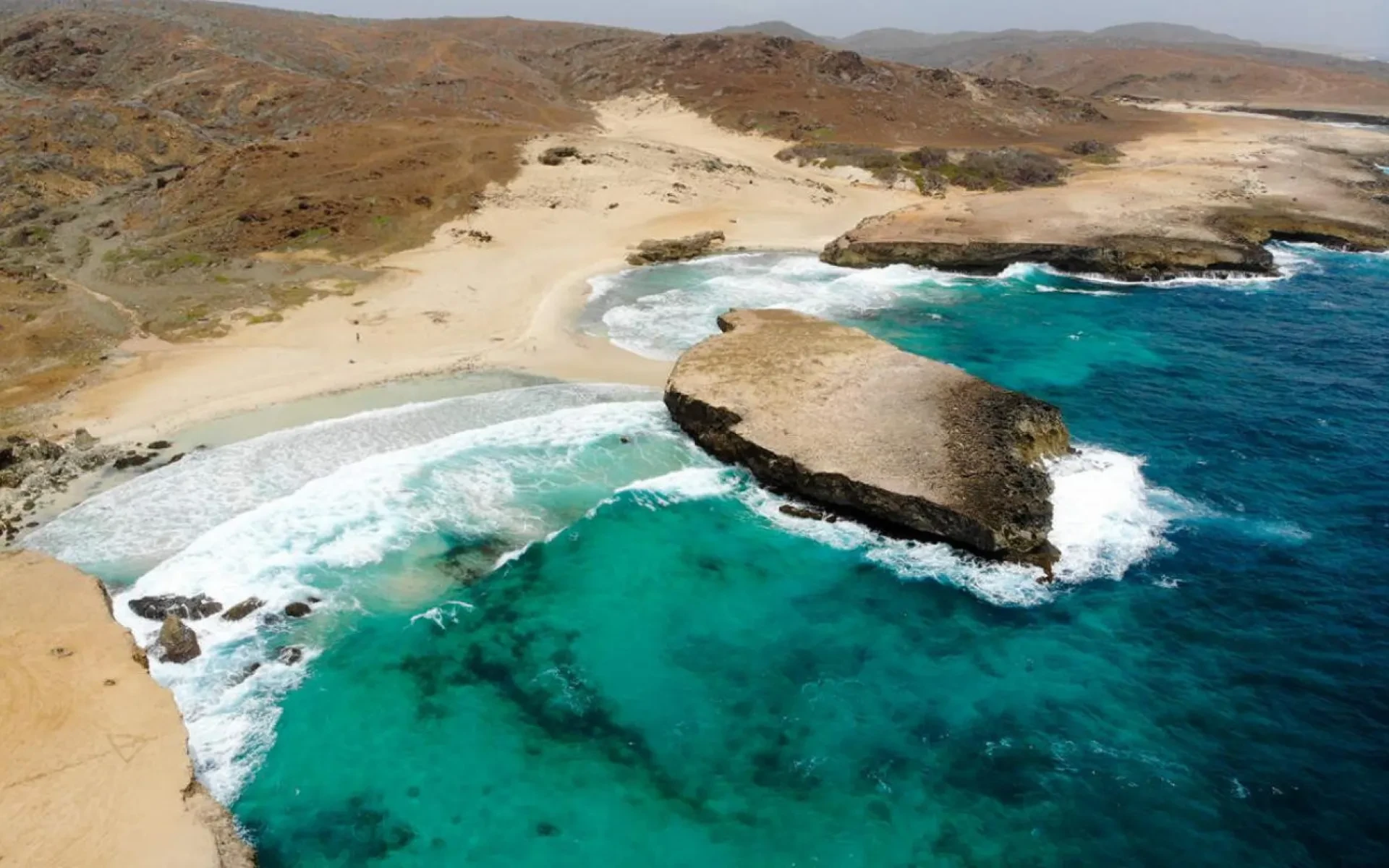
I’ve always been drawn to the edges of maps, and Boca Keto in Aruba is one of those spots that pulls you off the beaten path. This secluded beach inside Arikok National Park is known for crashing waves, jaw-dropping rock formations, and visceral ocean views. If you’re craving raw coastal beauty and a quiet beach day far from crowds, Boca Keto may just steal your heart.
Boca Prins
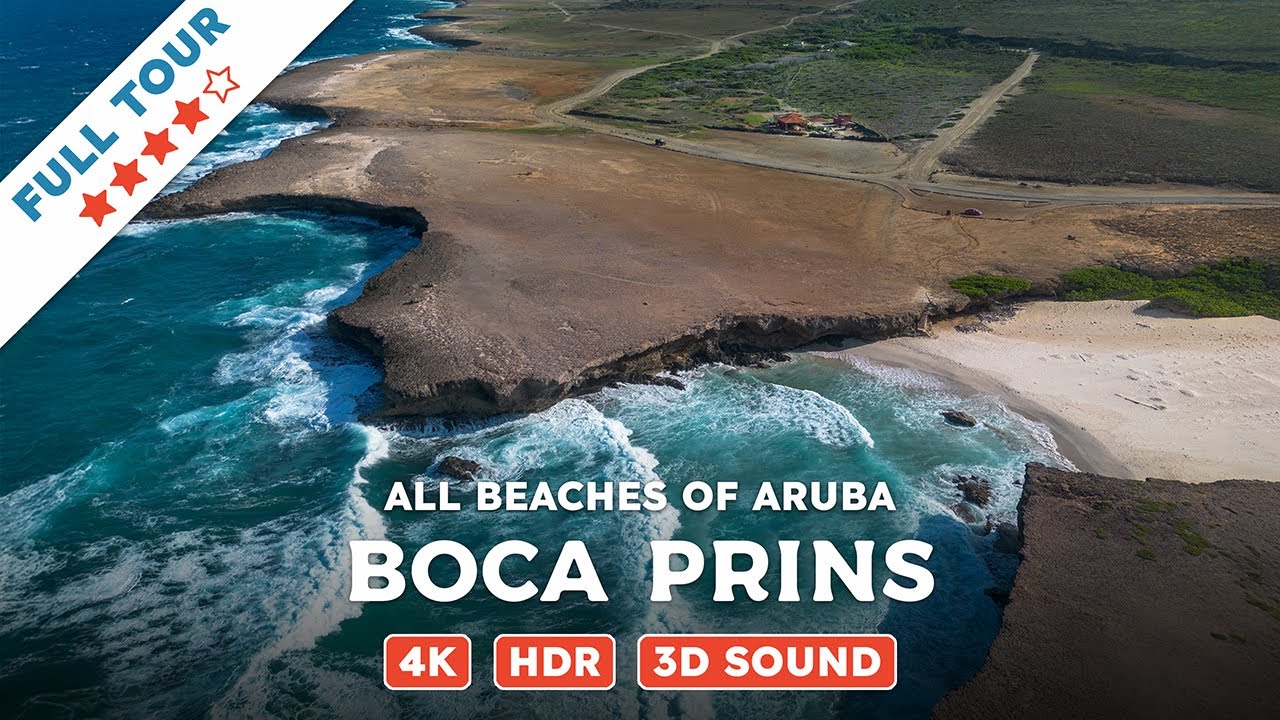
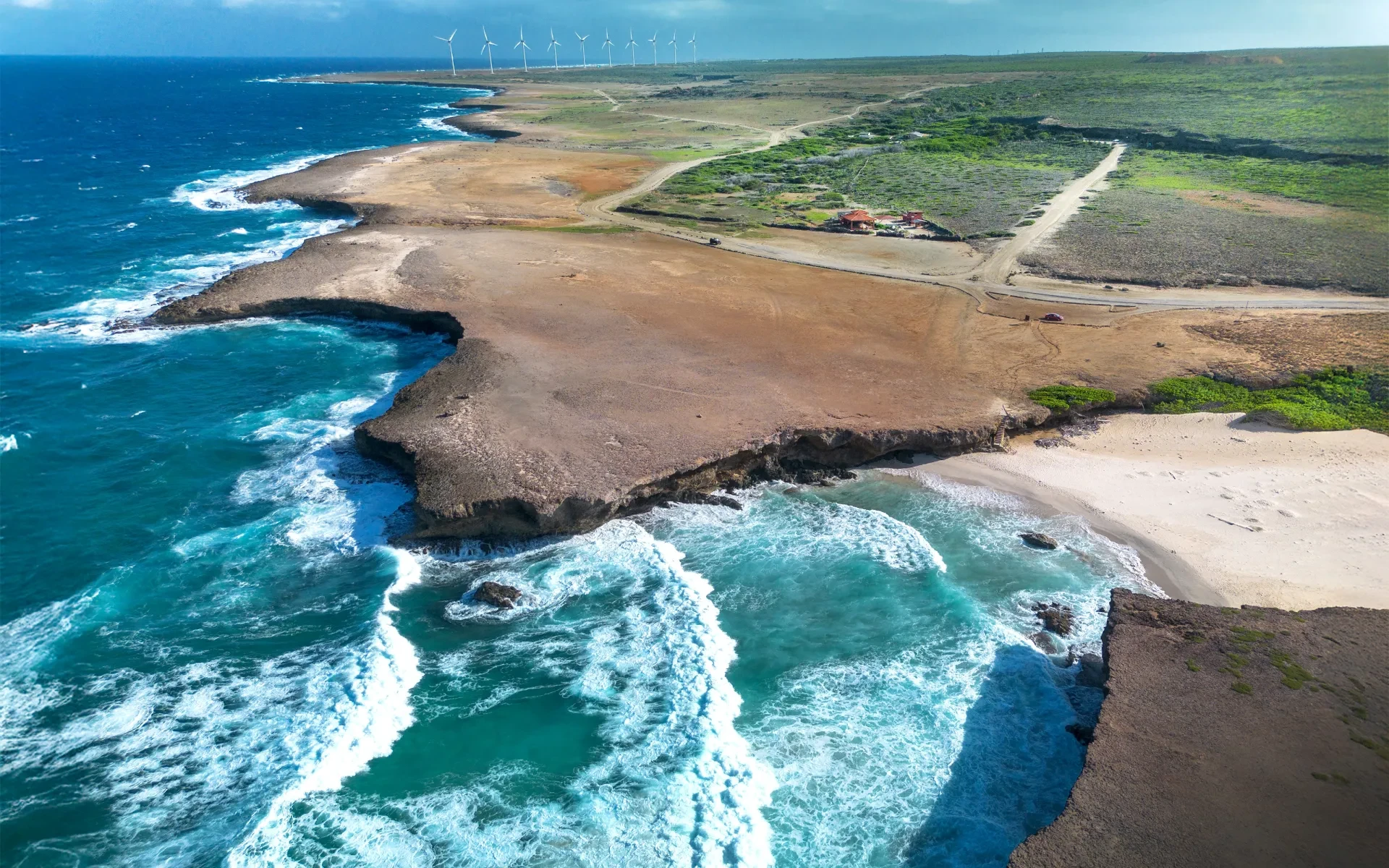
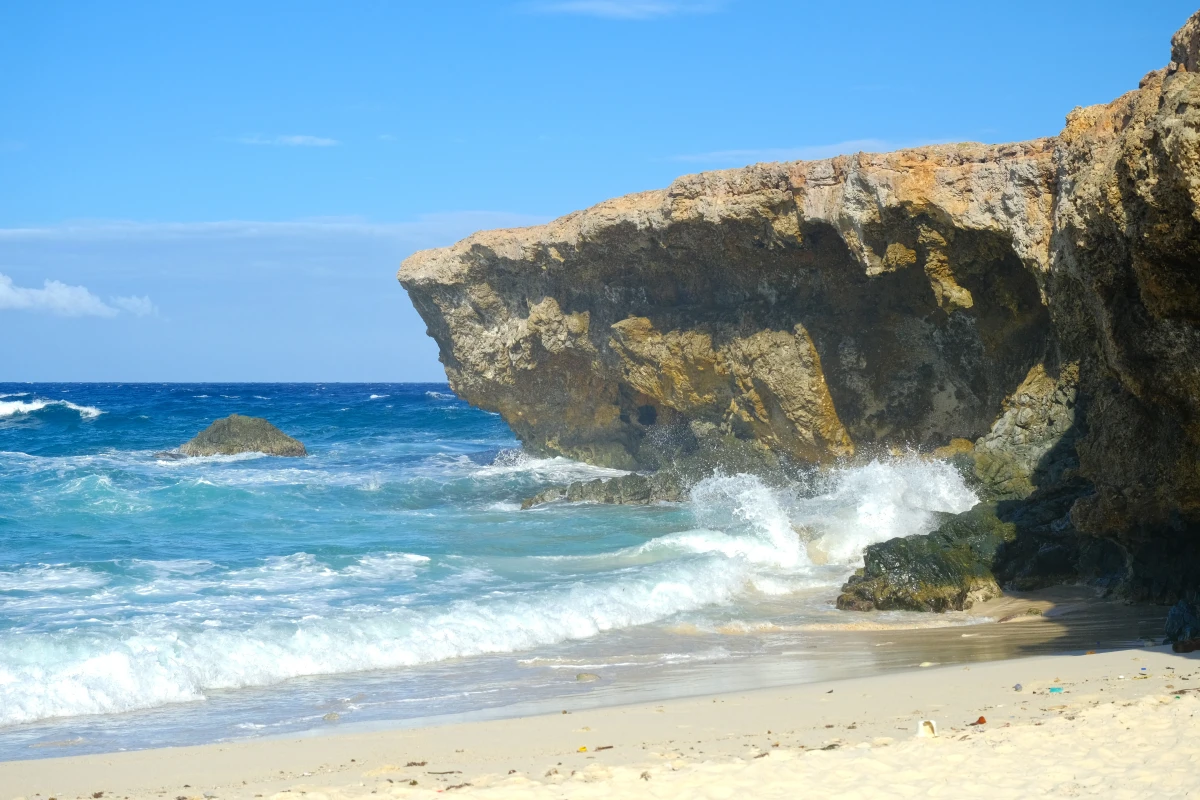
Boca Prins is one of the most dramatic and wild beaches on the northeast coast of Aruba, tucked into Arikok National Park. It’s not a spot for casual swimming, but for nature lovers, photographers, and those craving solitude, Boca Prins Aruba delivers in spades. In this travel guide, I’ll show you how to safely explore it, what else to do and see nearby, and everything else you need to make the most of your visit.
Bushiri Beach
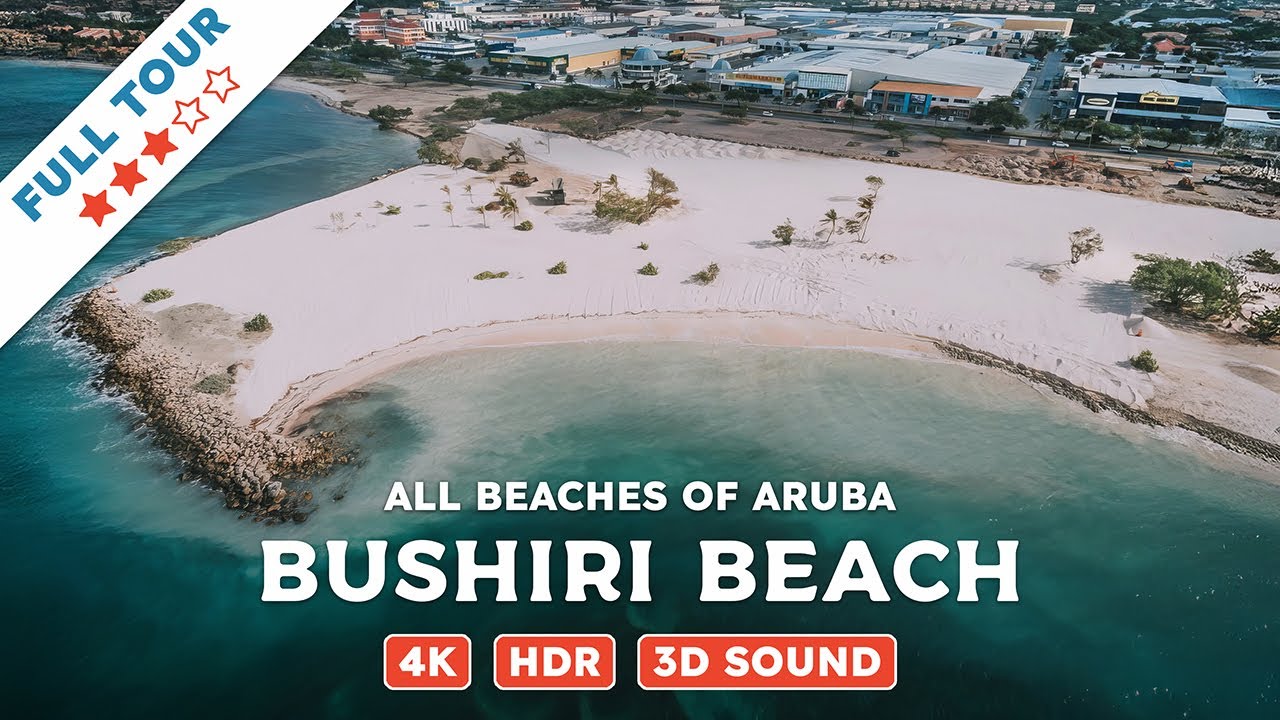
Bushiri Beach Aruba sits quietly between Oranjestad and Eagle Beach, right where the bustle of town starts to fade into a more relaxed stretch of sand. Unlike Aruba’s resort-lined beaches, Bushiri feels more local and low-key, with a mix of soft sand and rocky edges that give it character.
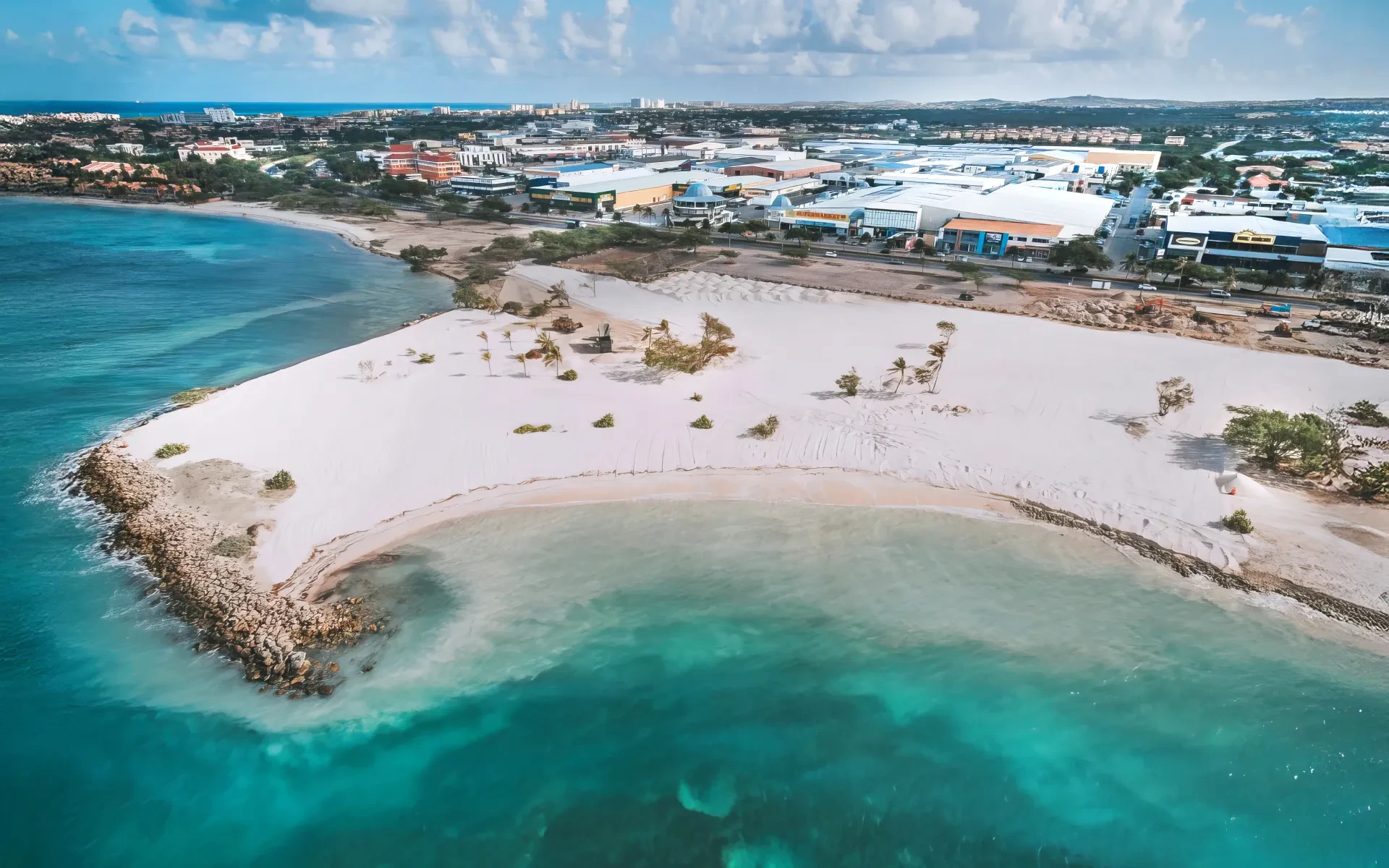
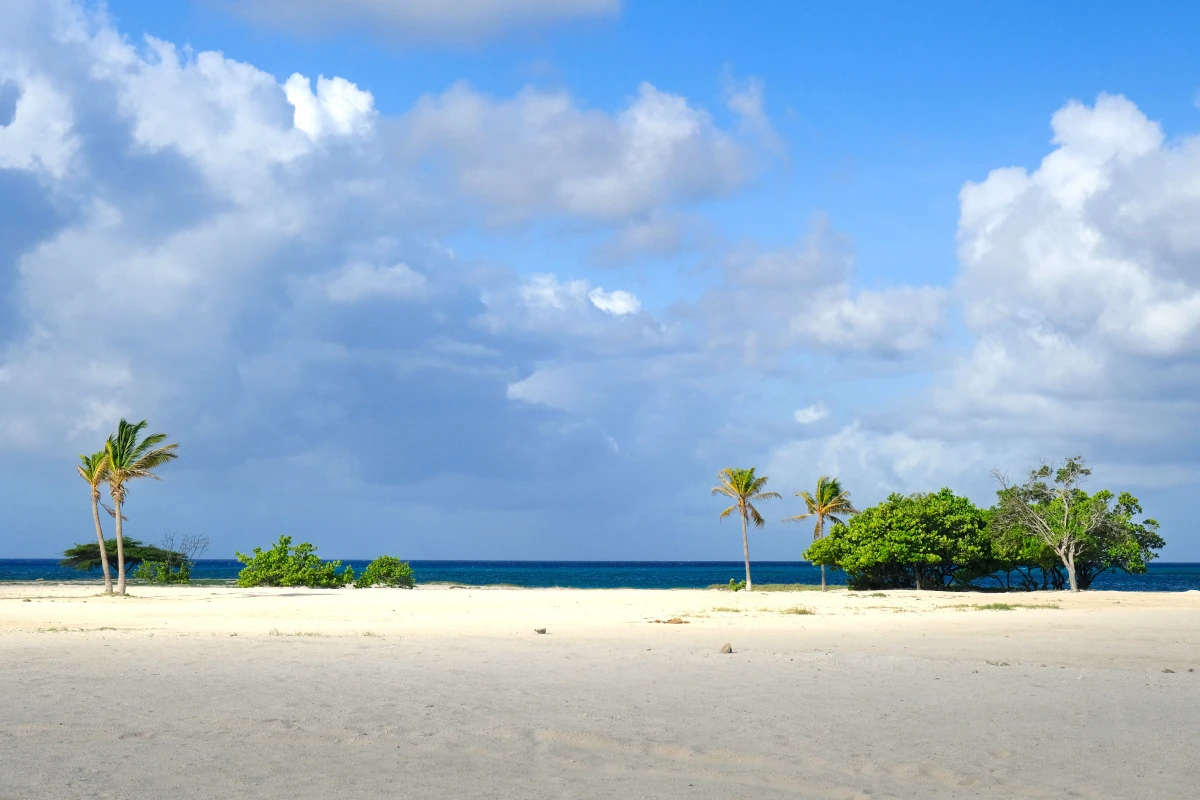
Conch Shell Beach
Conch Shell Beach Aruba is a quiet escape on Aruba’s rugged north coast, where thousands of conch shells line the shore and pelicans glide just offshore. In this travel guide, I share what to expect, my best tips, and the top snorkeling, eats, stays & sights near this hidden gem.
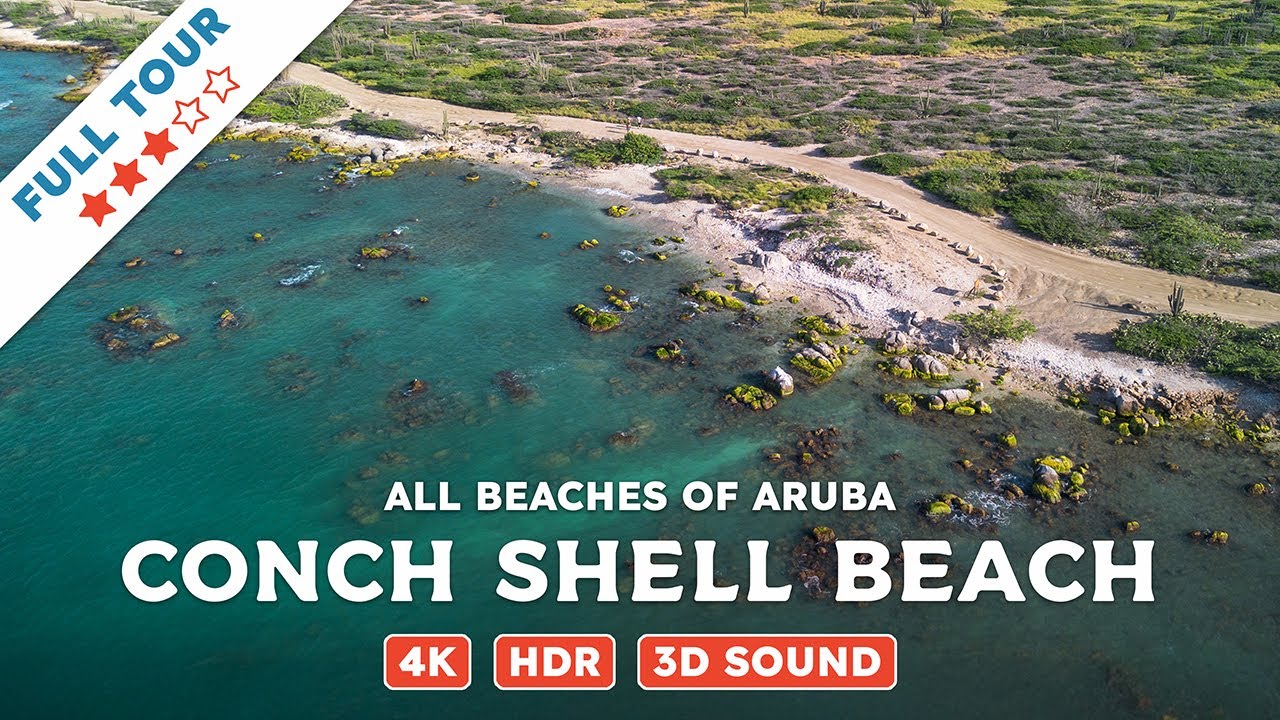
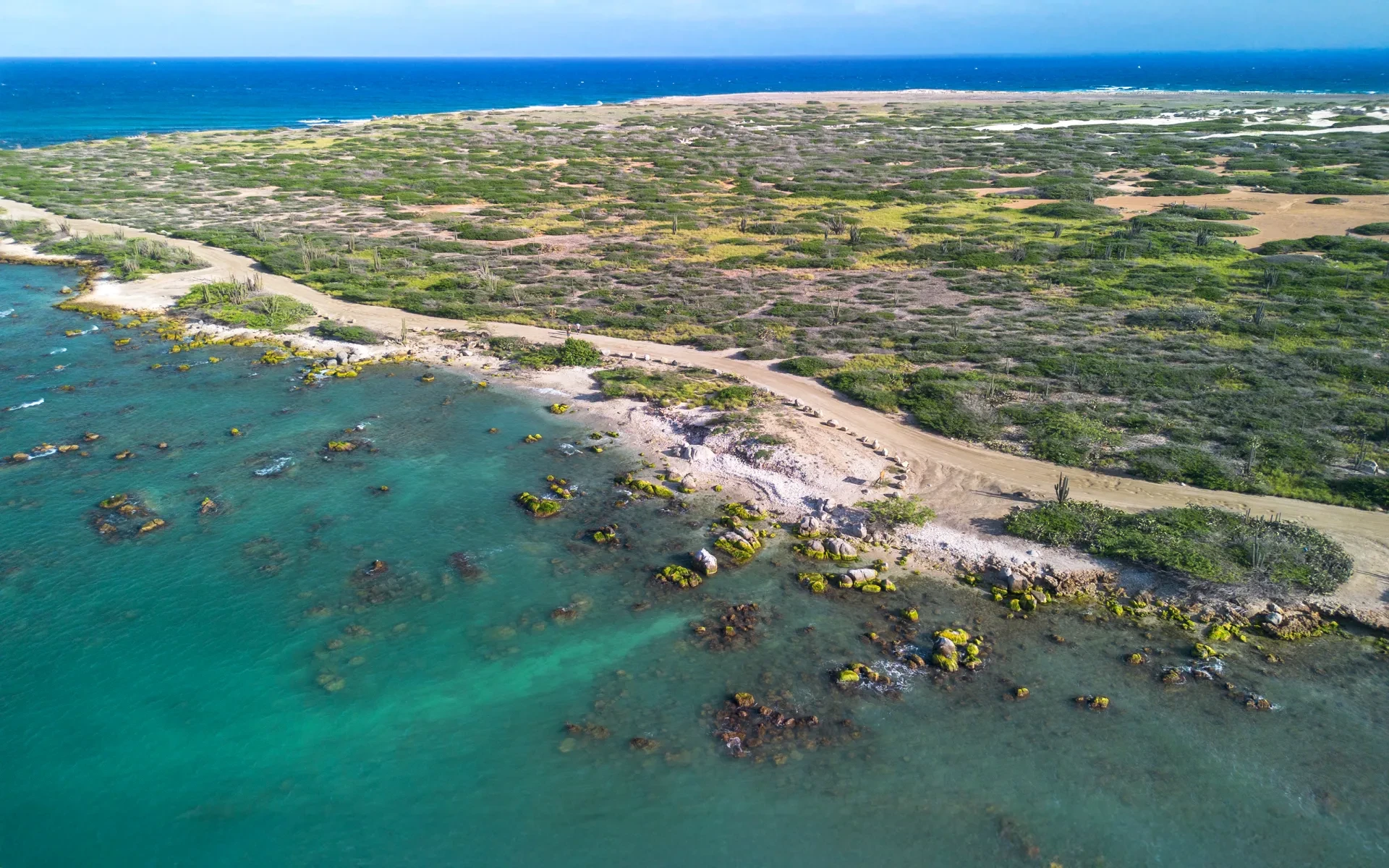
Cura Cabai Beach
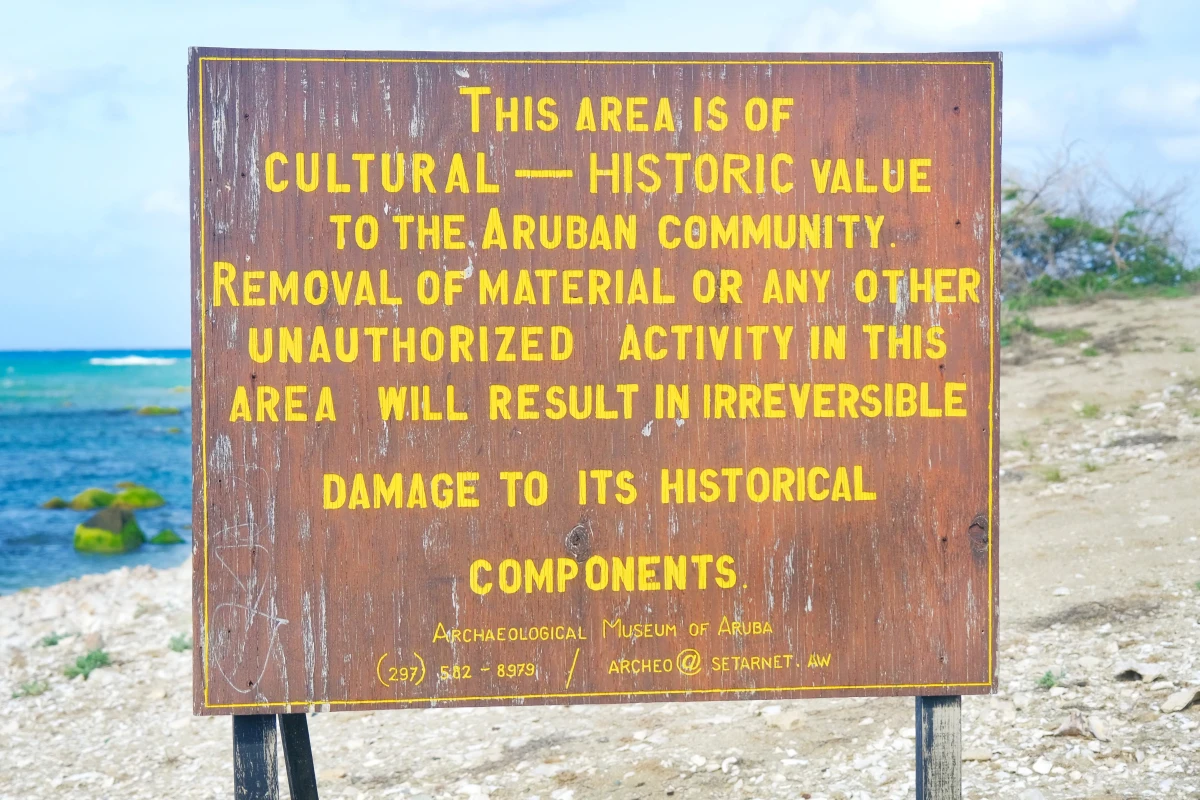
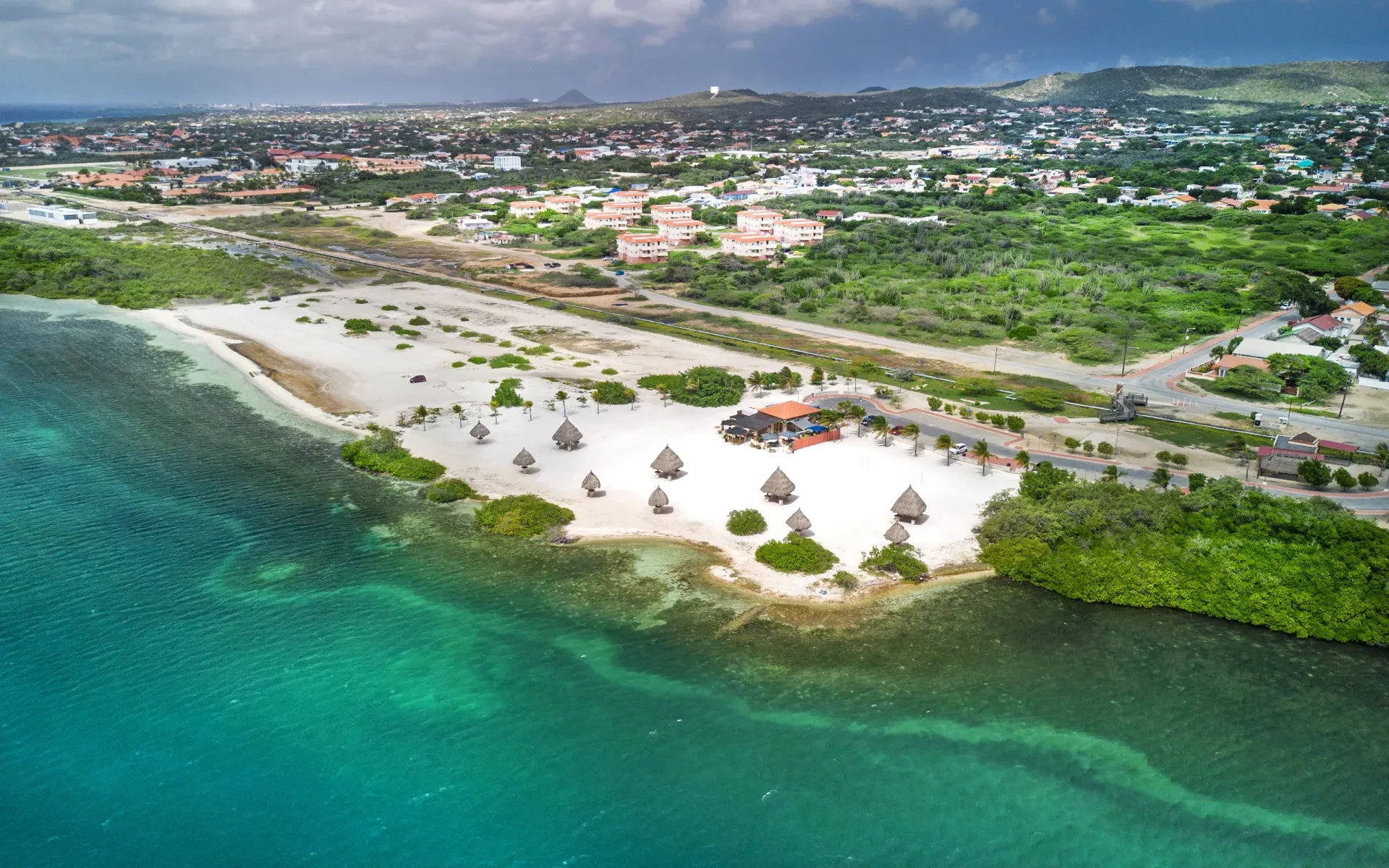
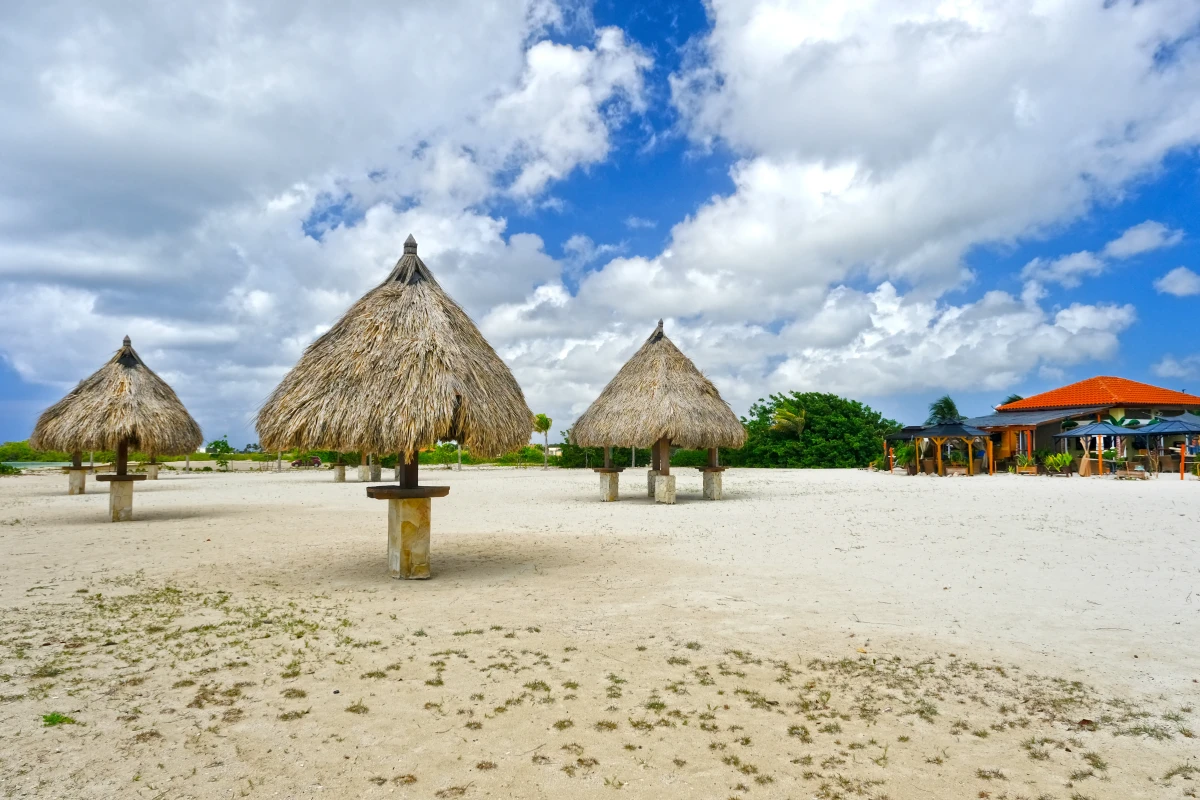
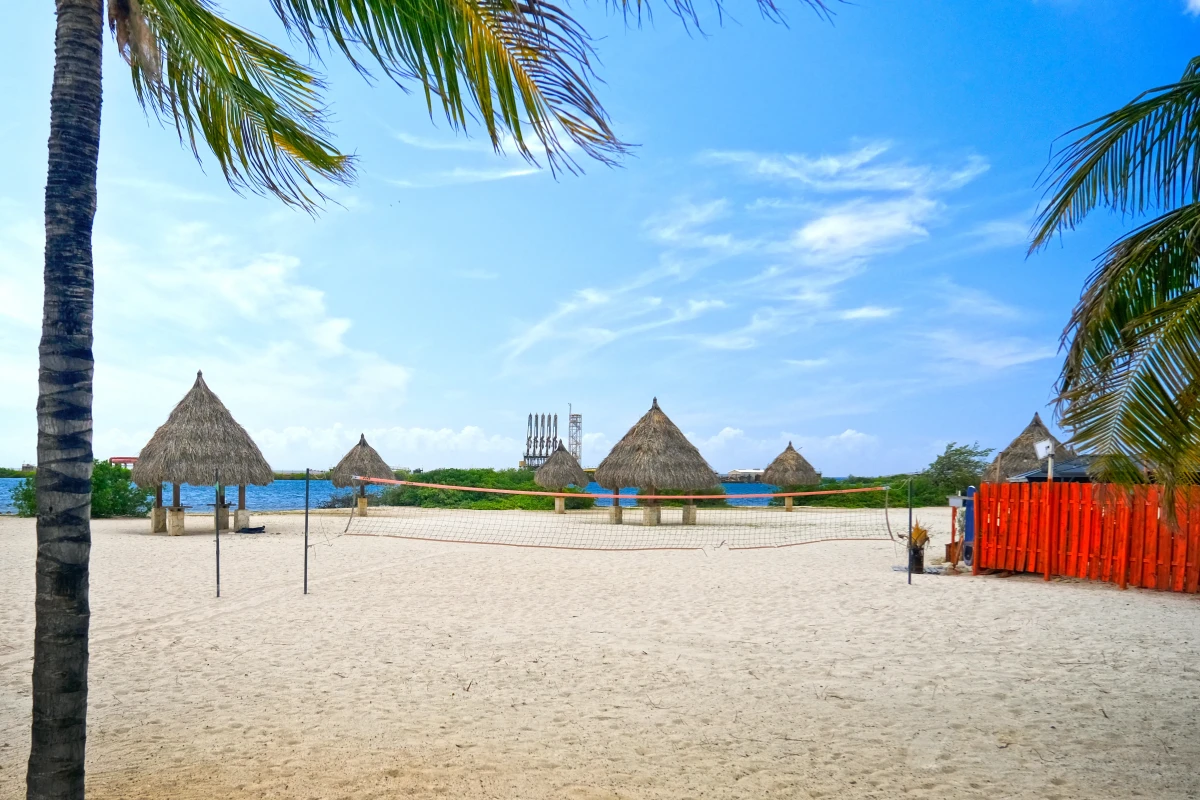
Cura Cabai Beach in Aruba is a quiet escape on the island’s rugged southern coast. This hidden gem is gaining popularity thanks to Battata Beach Bar, which brings a lively yet relaxed atmosphere right on the sand. It's one of the most laid-back beaches in Aruba, far from the tourist crowds, although with a short list of activities.
Daimari Beach
Daimari Beach is one of Aruba’s more rugged, hidden gems, tucked away in Arikok National Park on the island’s northern coast. If you’re craving solitude, dramatic cliffs, and nature unspoiled by crowds, this is the spot. Expect crashing waves rather than calm lagoons, and bring a spirit of adventure — this beach isn’t about luxury, but about raw beauty, wind, and wide-open skies.
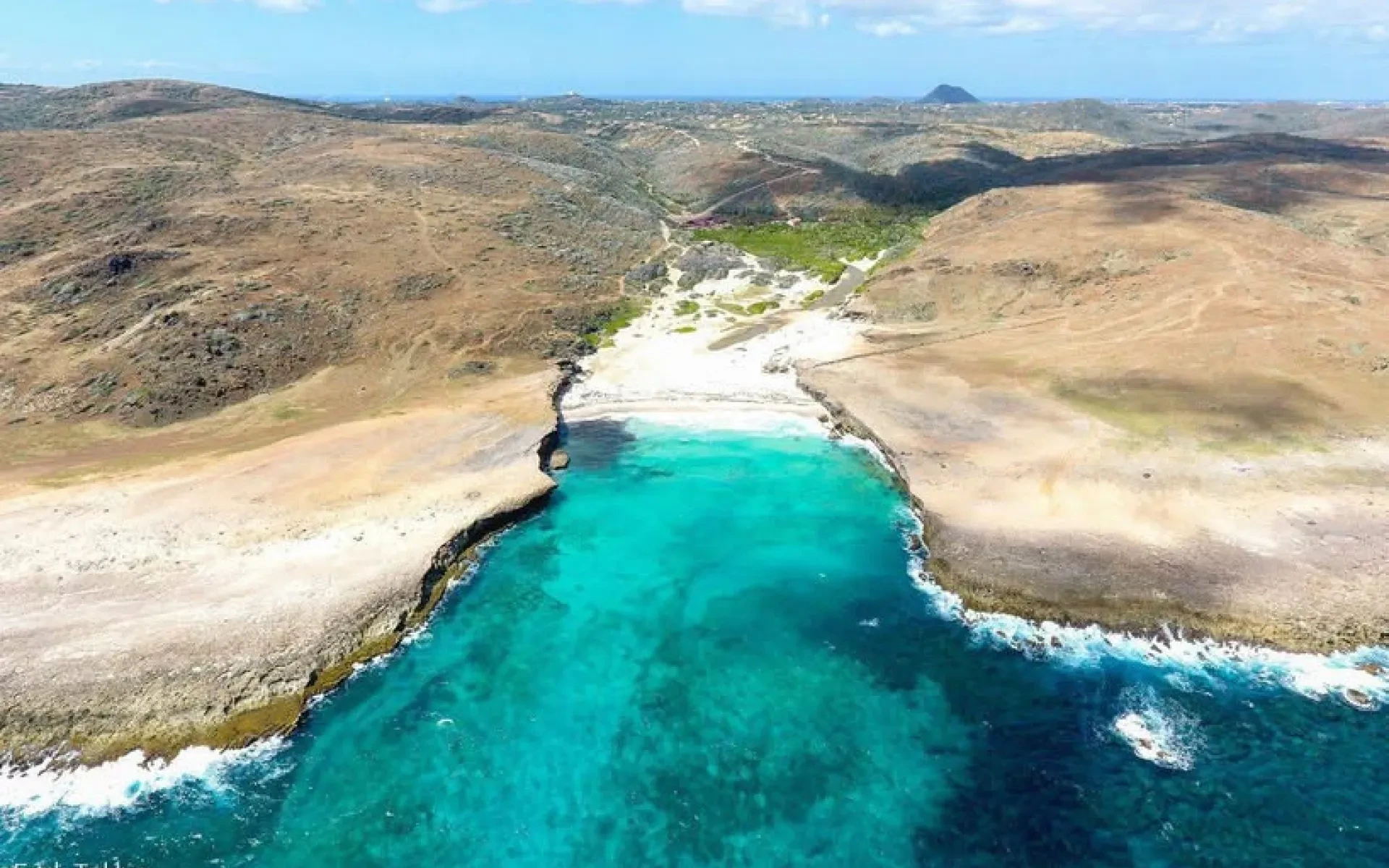
Didi Beach
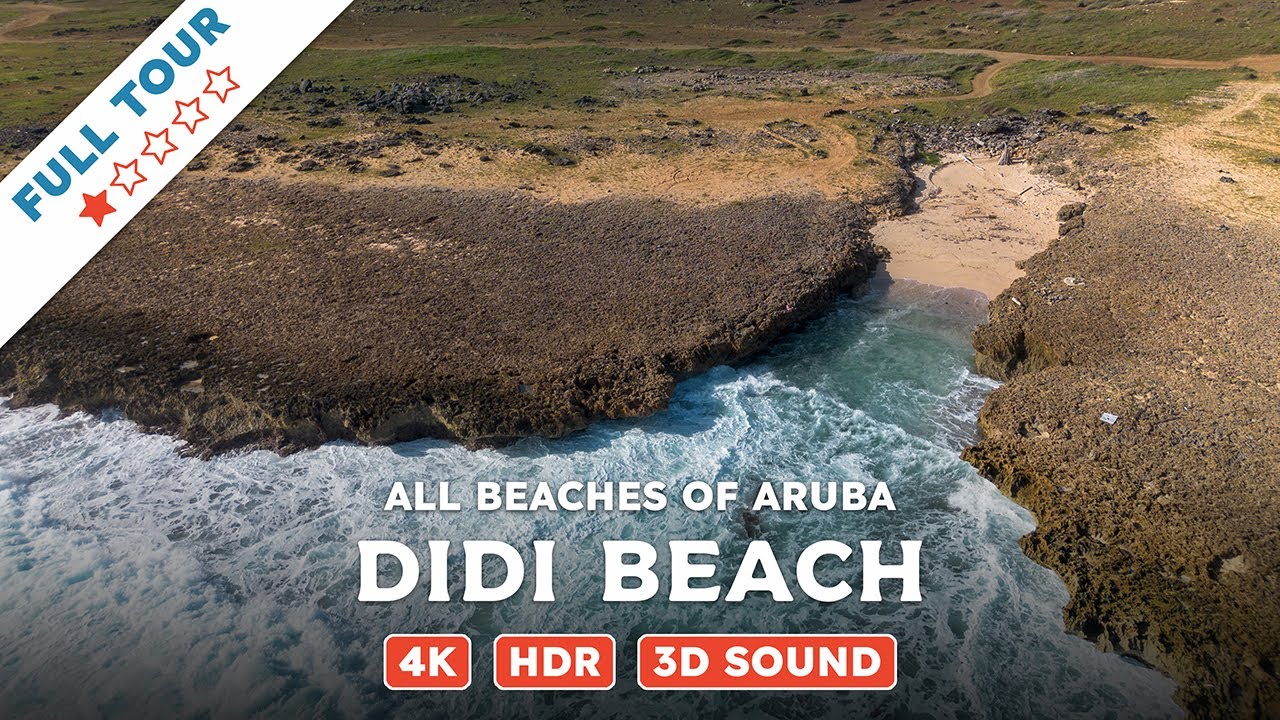
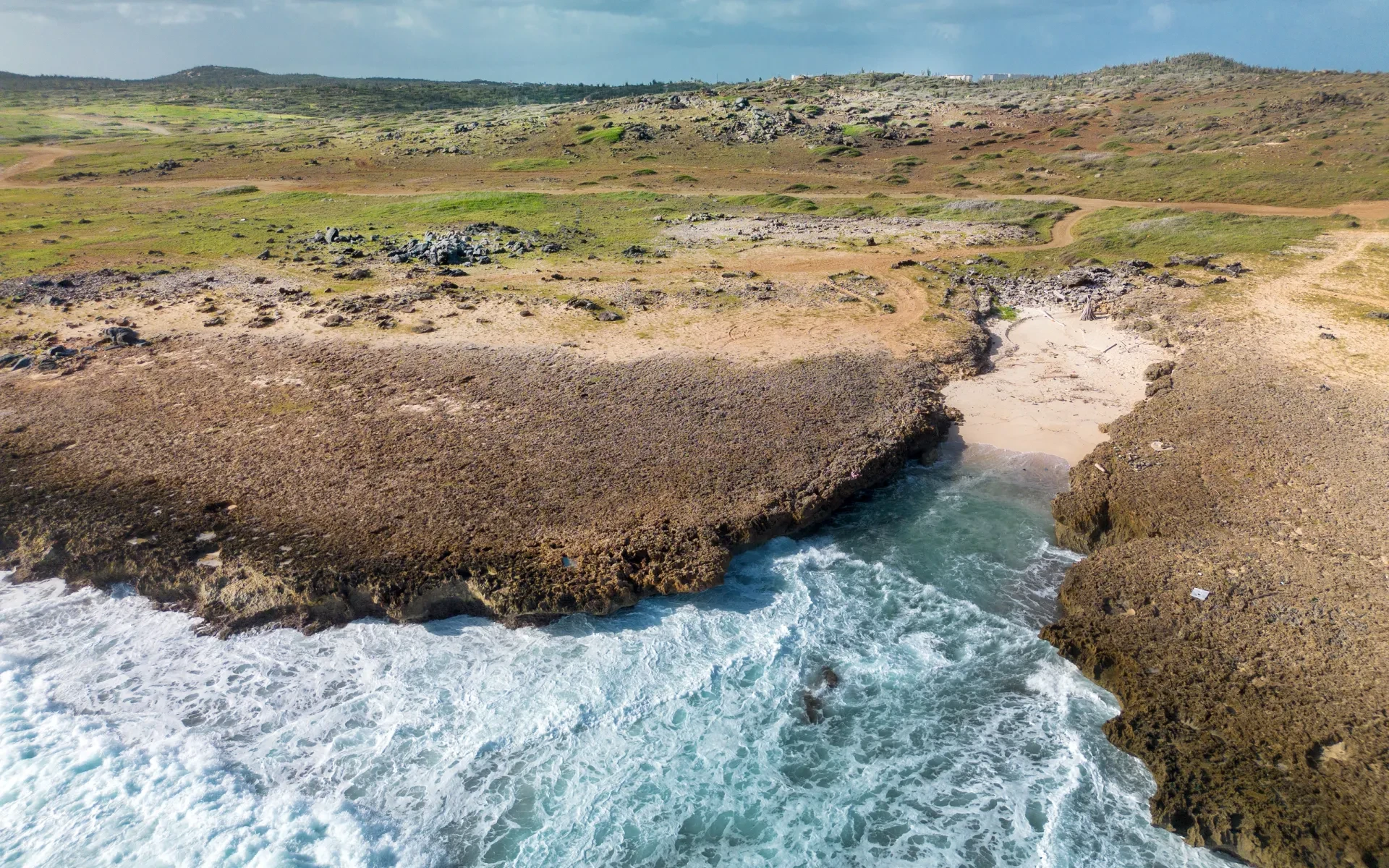
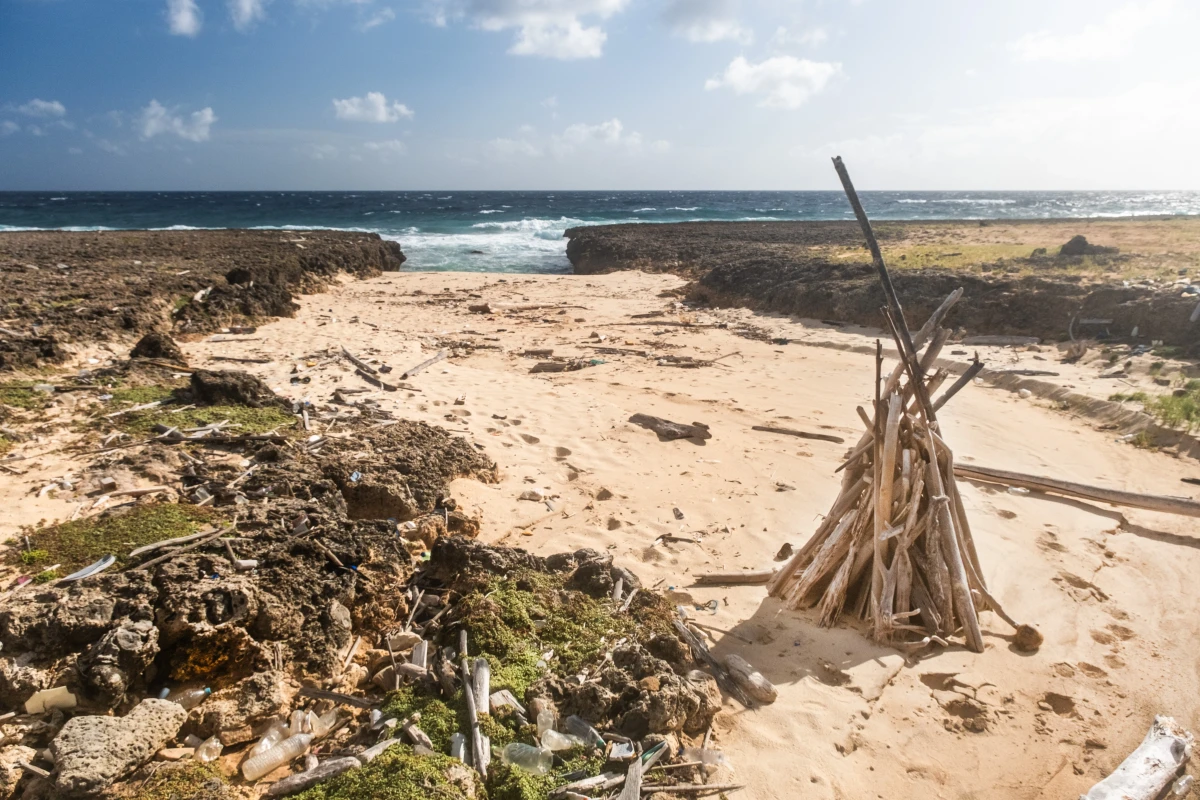
Didi Beach is one of those insignificant coves on the northeast coast of Aruba. There’s no swimming, no snorkeling, and no shade, just waves crashing into the rocks and debris washed ashore. There is absolutely no reason to visit it.
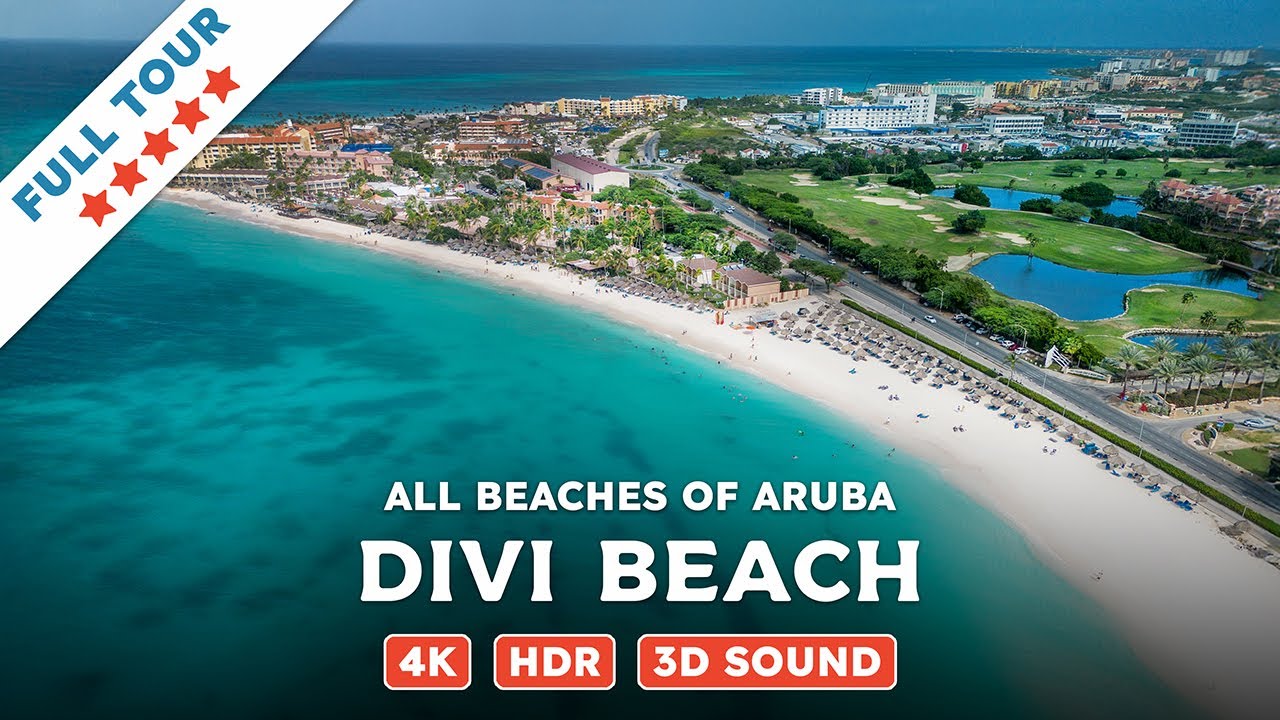
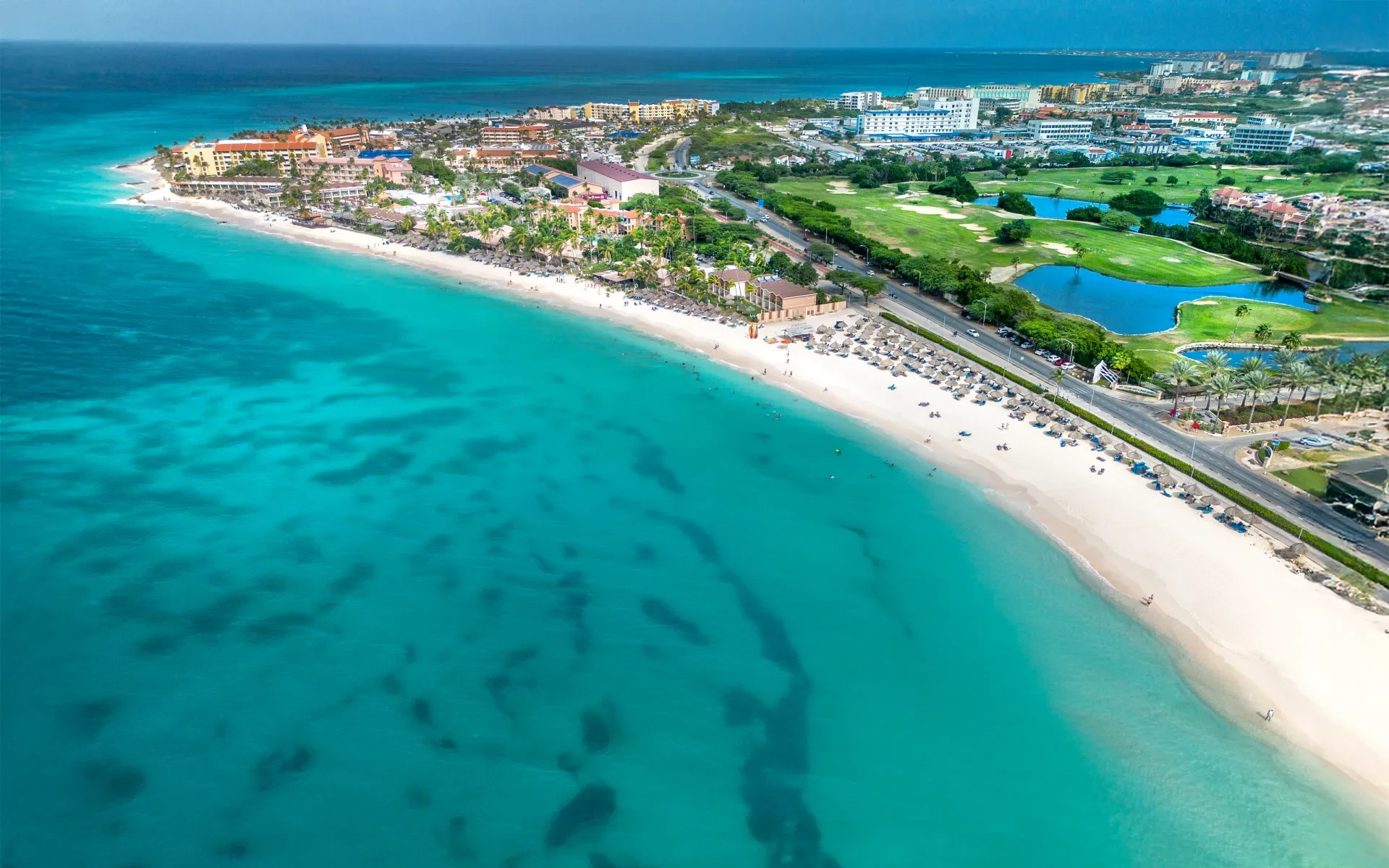
Divi Beach
Divi Beach Aruba is a beautiful stretch of white sand shoreline in Aruba’s low-rise hotel area, known for its calm turquoise waters, white sand and laid-back charm. It offers a relaxing yet activity-packed beach experience, without the bustle of Palm or Eagle Beach’s high rises. In this guide, I’ll walk you through everything you need for a perfect visit to Divi Beach Aruba — from snorkeling spots and things to do to where to eat, best hotels, and how to get there.
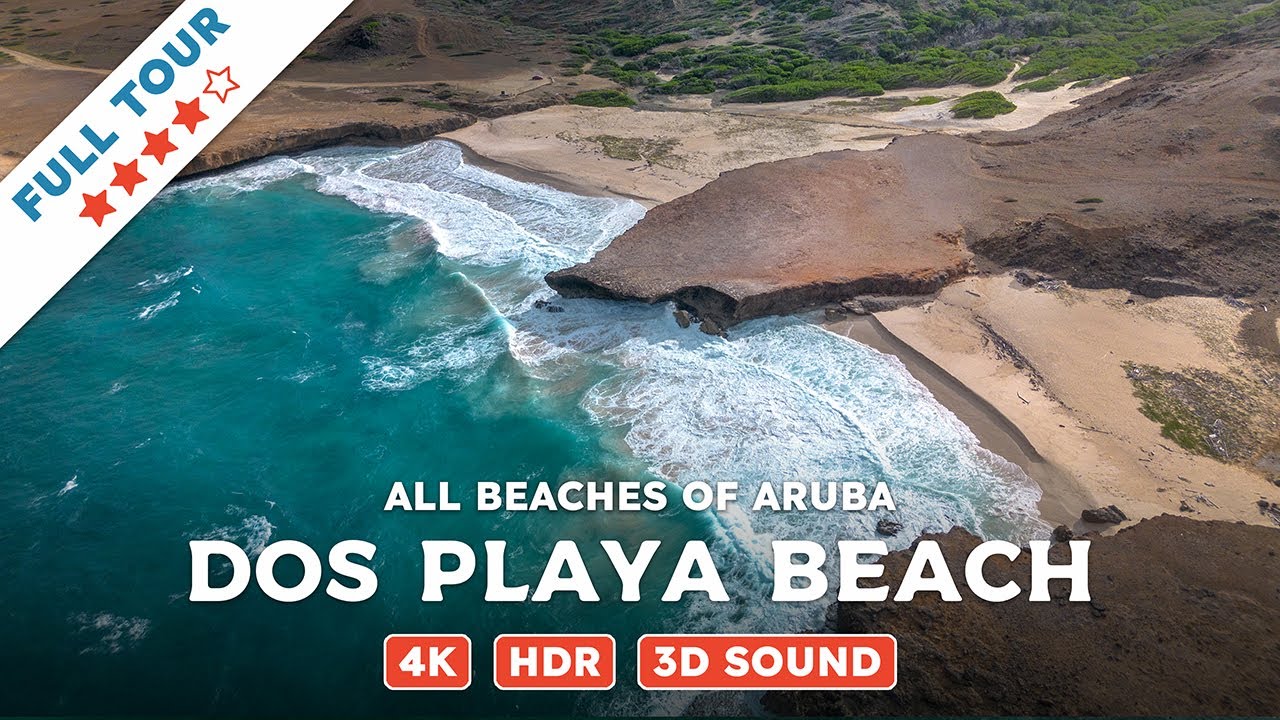
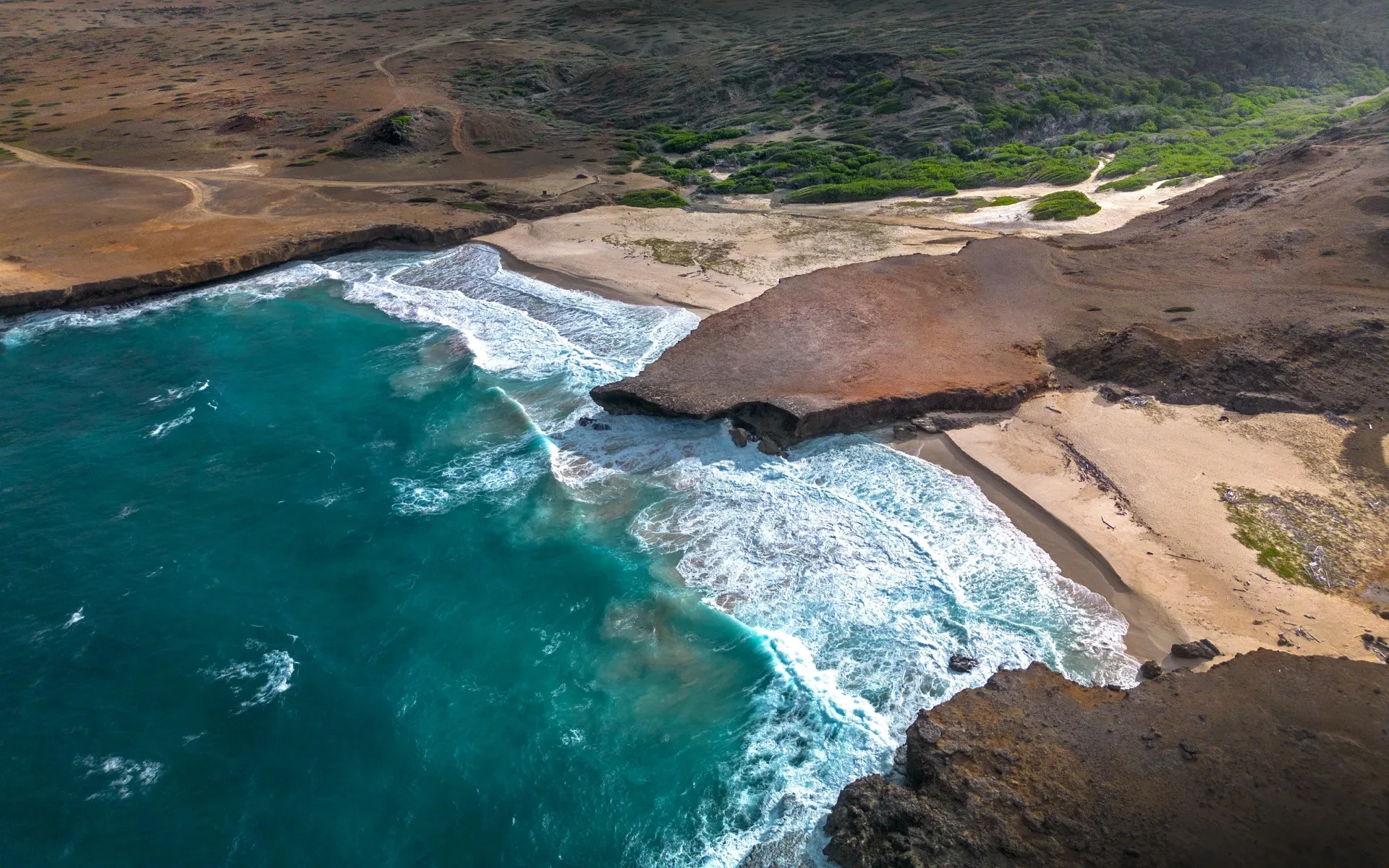
Dos Playa Beach
Nestled inside Aruba’s Arikok National Park, Dos Playa Beach features two rugged coves carved from limestone, pounding surf, and zero development — just nature in its rawest form. If you’re willing to trade calm water for scenery, Dos Playa delivers something very special.
Druif Beach
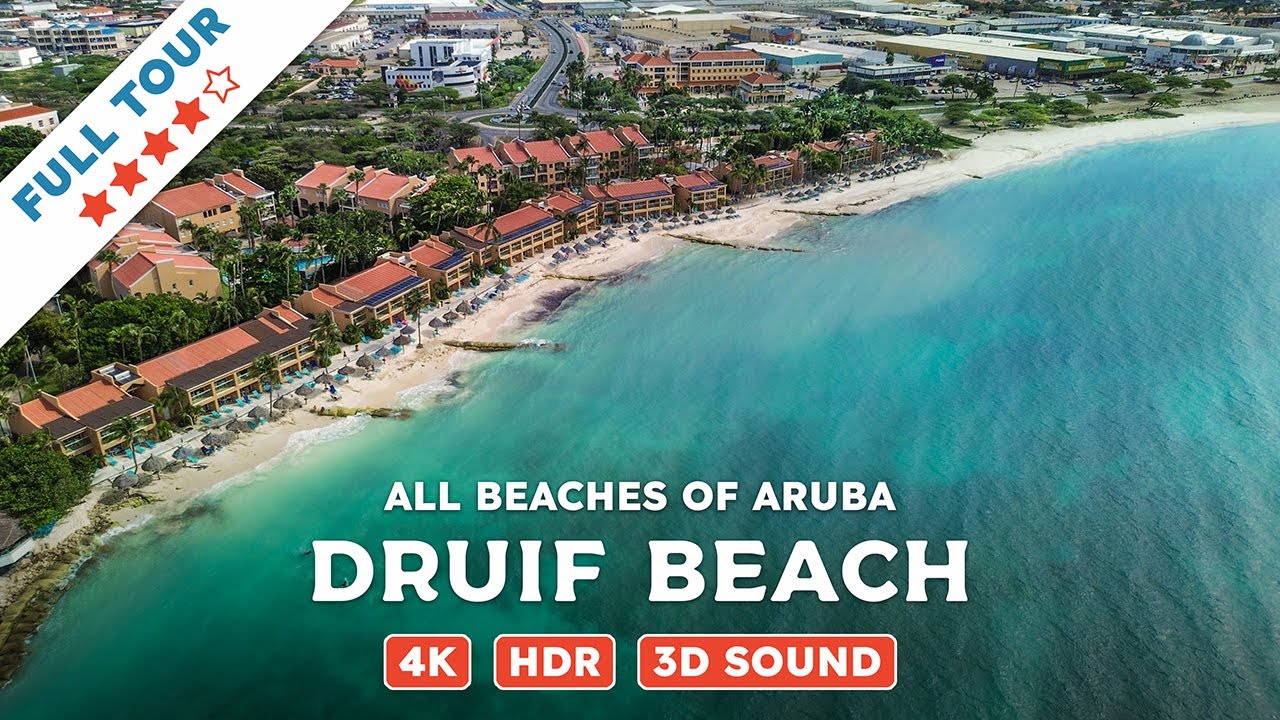
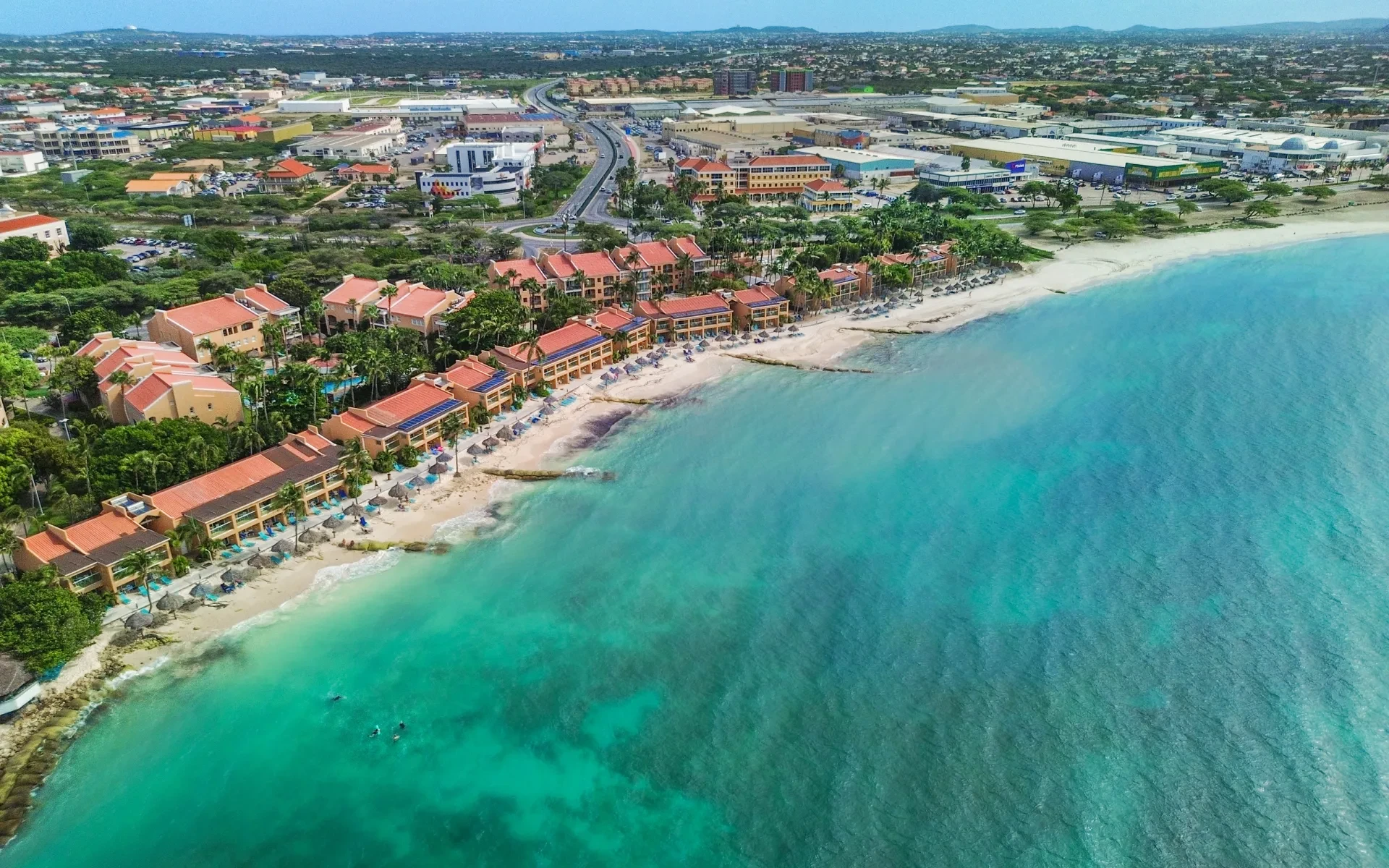
Druif Beach Aruba is a wide, sandy stretch just south of Eagle Beach, known mostly for its calm vibe and resort setting. It’s a beach close to Oranjestad, making it easy to reach, but there’s really not much here beyond the sand, sea, and a few low-rise hotels. If you’re looking for pure relaxation without distractions, this is the spot. Beware! There are two beaches in Aruba named Druif Beach and they are completely different.
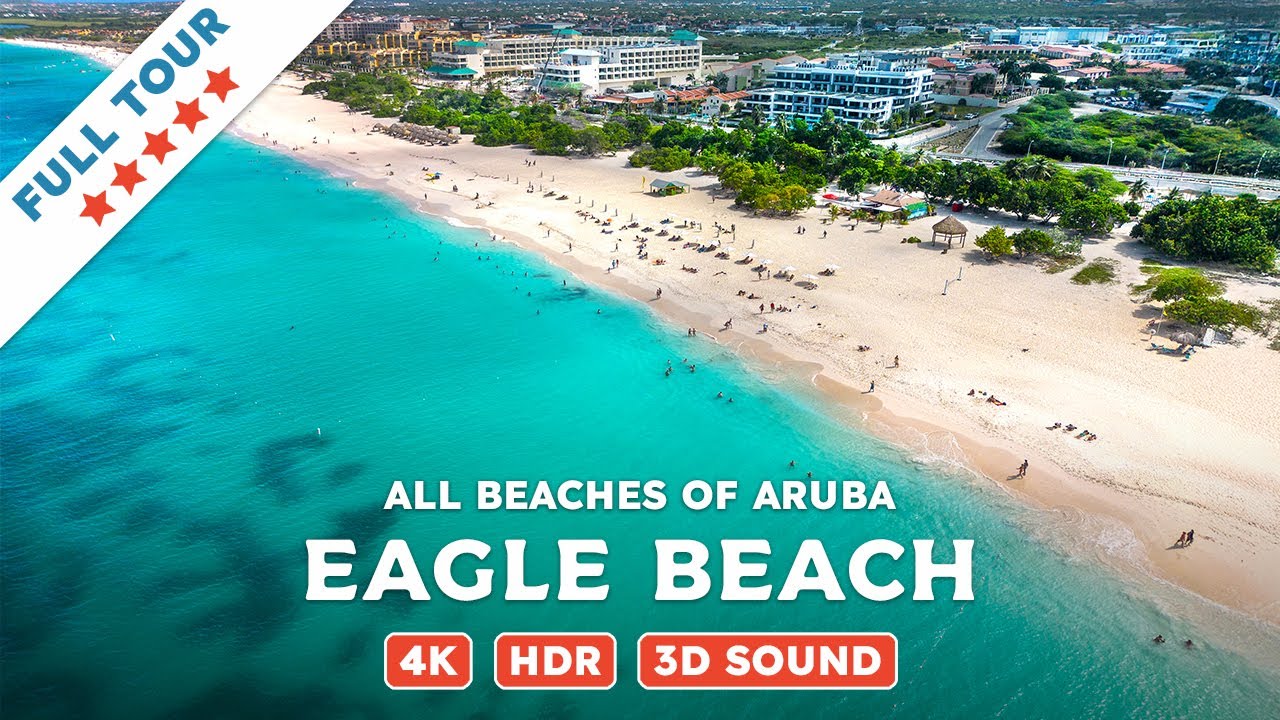
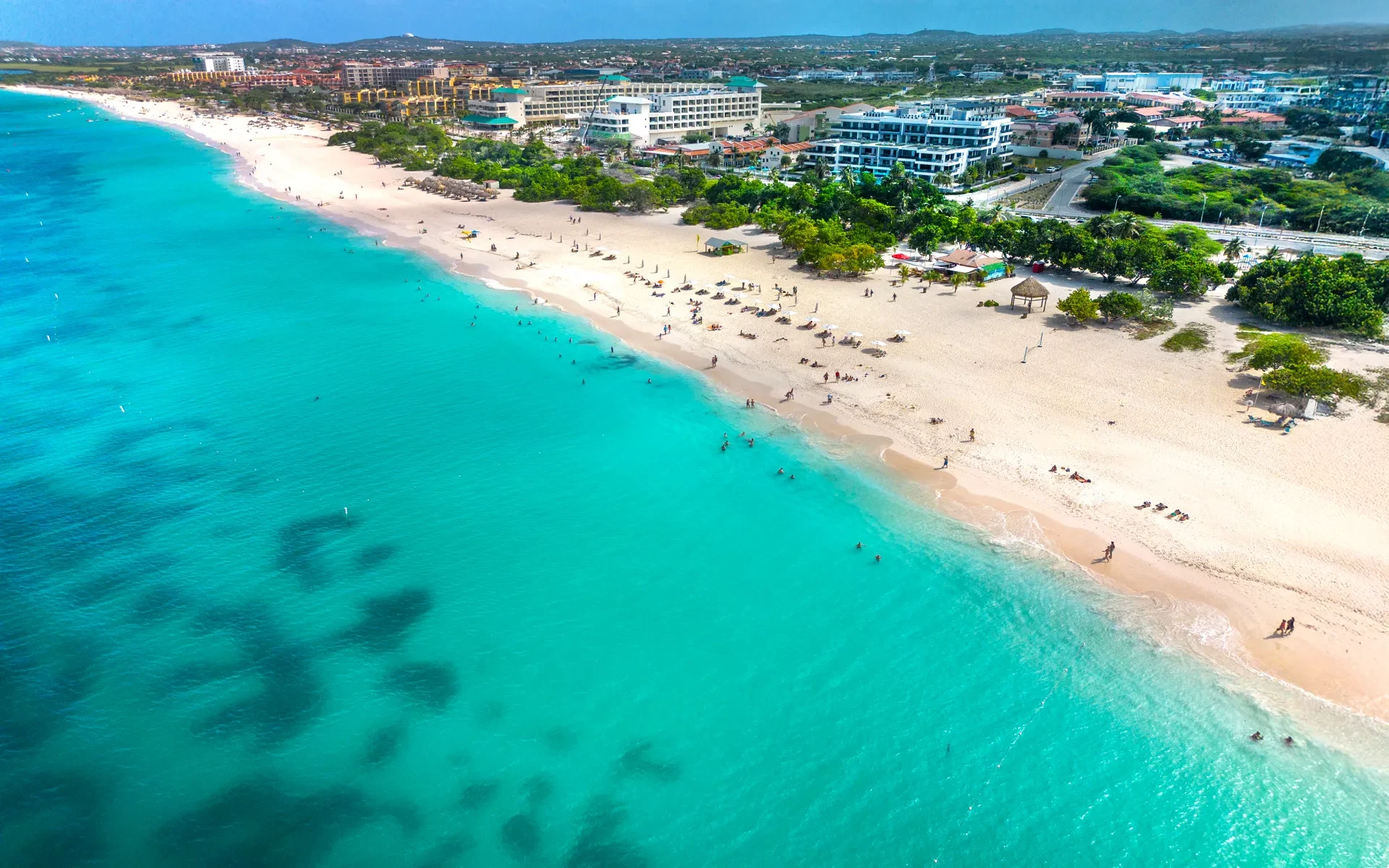
Eagle Beach
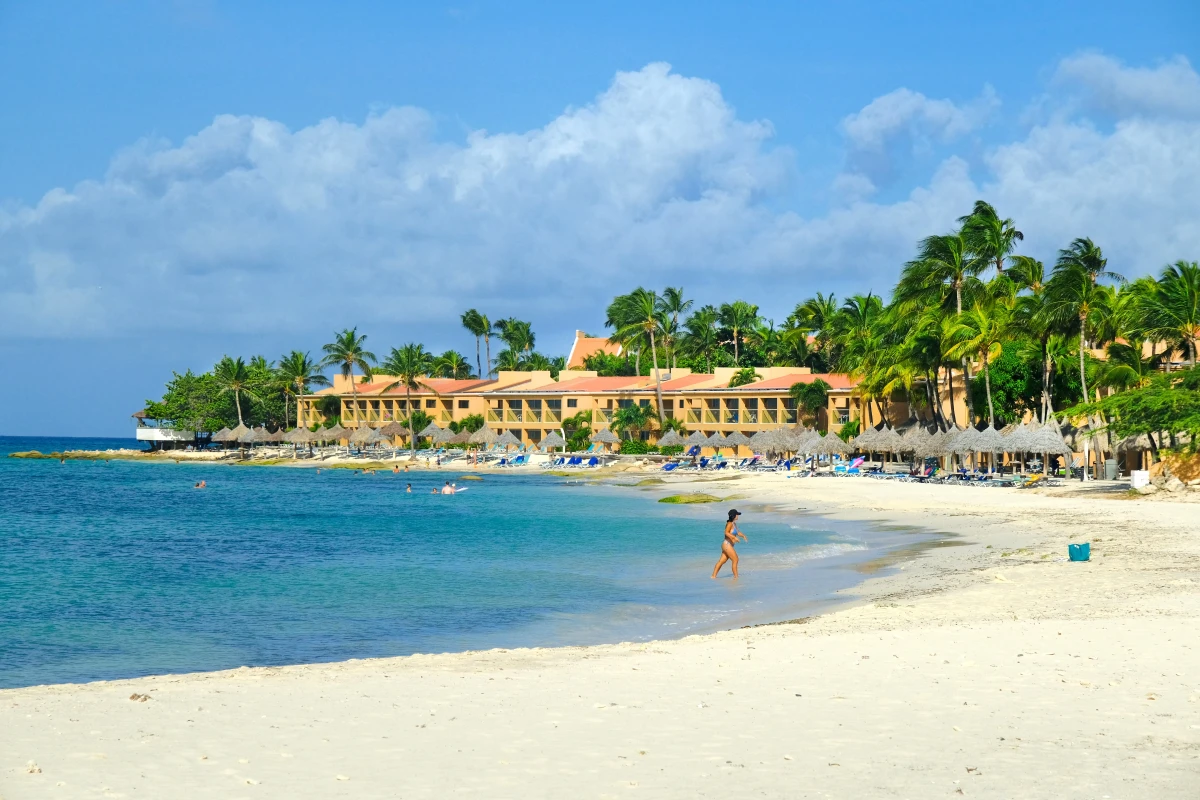
Eagle Beach is often voted one of the world’s best beaches, thanks to its wide stretch of soft white sand and calm turquoise water. With fofoti trees, gentle surf, seasonal turtle nests and a relaxed low-rise vibe, Eagle Beach is perfect for slow days that still feel special.
Flamingo Beach
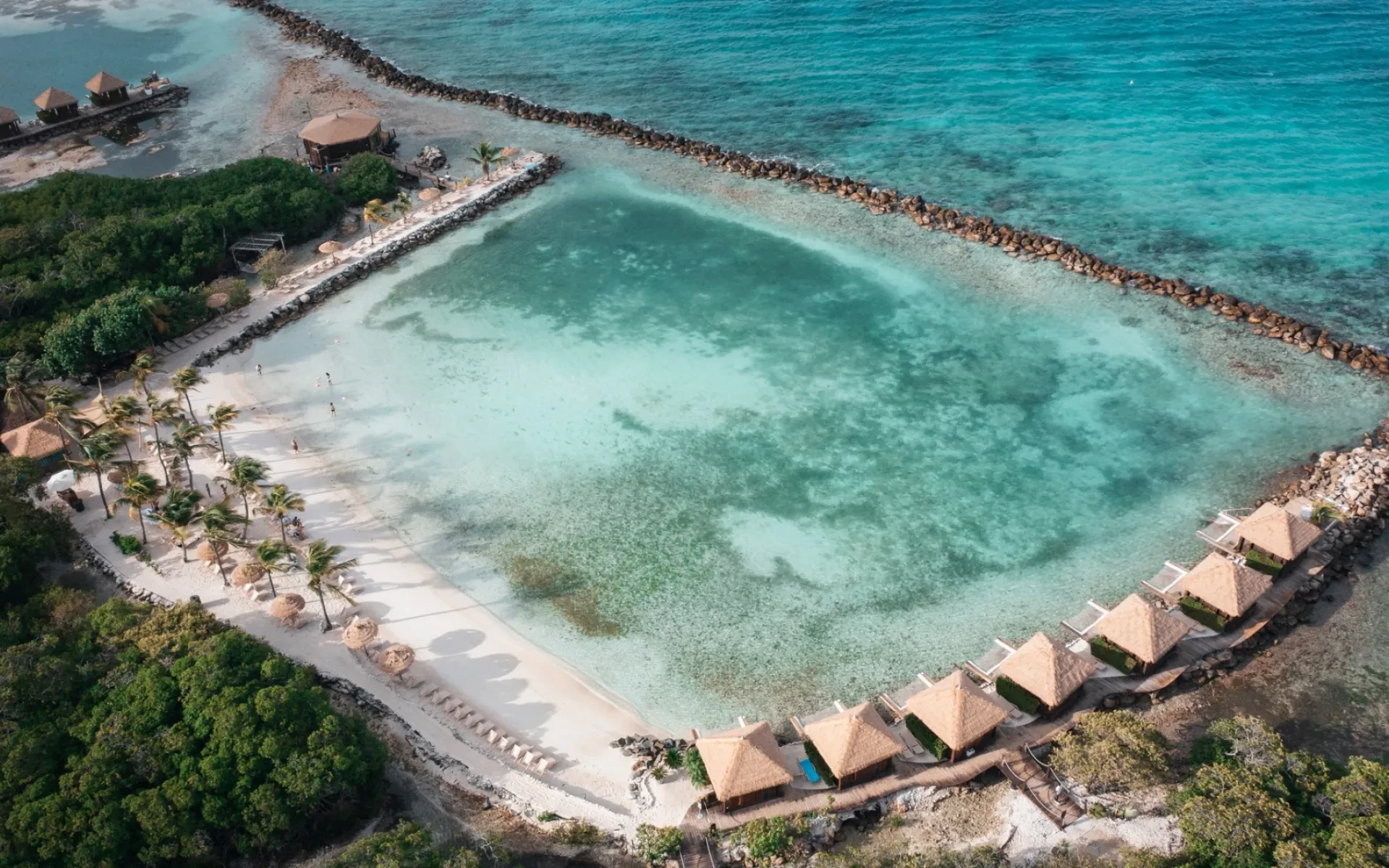
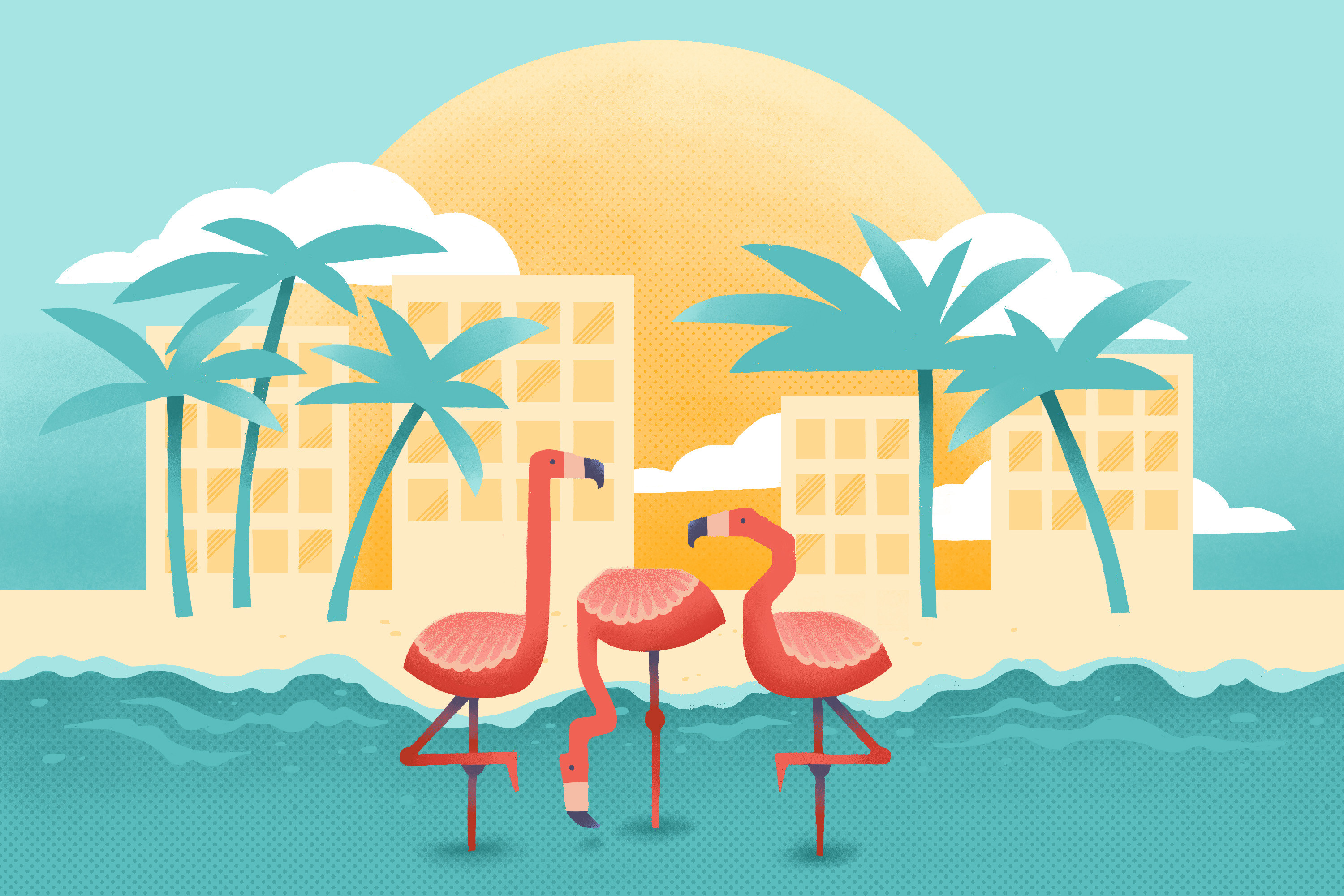
Flamingo Beach is Aruba’s most iconic spot, home to the famous pink flamingos that wander freely along the sand posing for Instagram. Located on the Renaissance Island just off Oranjestad, it’s a bucket-list experience whether you’re staying at the Renaissance Resort or lucky enough to snag a day pass. While some visitors say it’s pricey and can get crowded, I still think Flamingo Beach is one of those “must-do once in your life” Aruba experiences.
Gordo's Beach
Although all beaches in Aruba are public by law, Gordo's Beach is inaccessible by land and requires military permission to enter. With no snorkeling, no shade, and little more than scattered rubbish on the sand, Gordo’s Beach is more of a curiosity on Google Maps than a destination for travelers.

Governor's Bay Beach
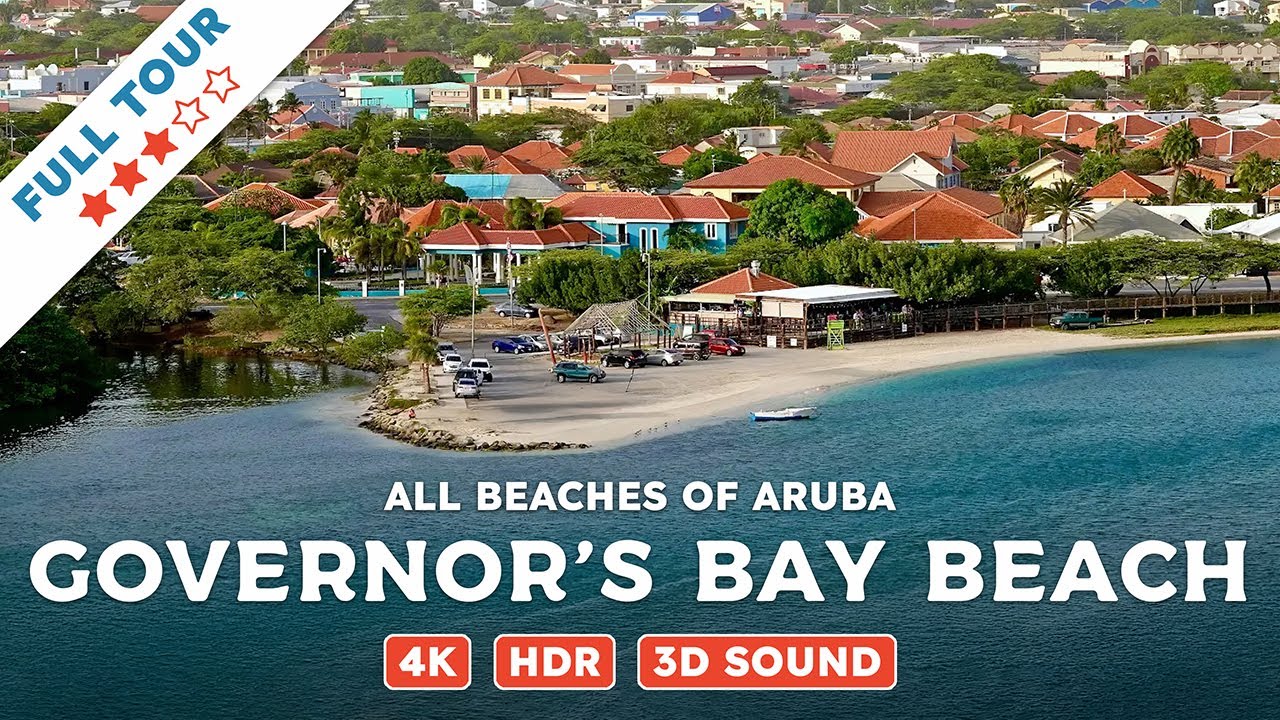
Governor’s Bay Beach belongs is a small, calm cove just beyond Wilhelmina Park with the West Deck beach restaurant set directly on the sand. It’s perfect when you want clear water without leaving downtown — think cruise-day swim, lazy lunch, and sunset.
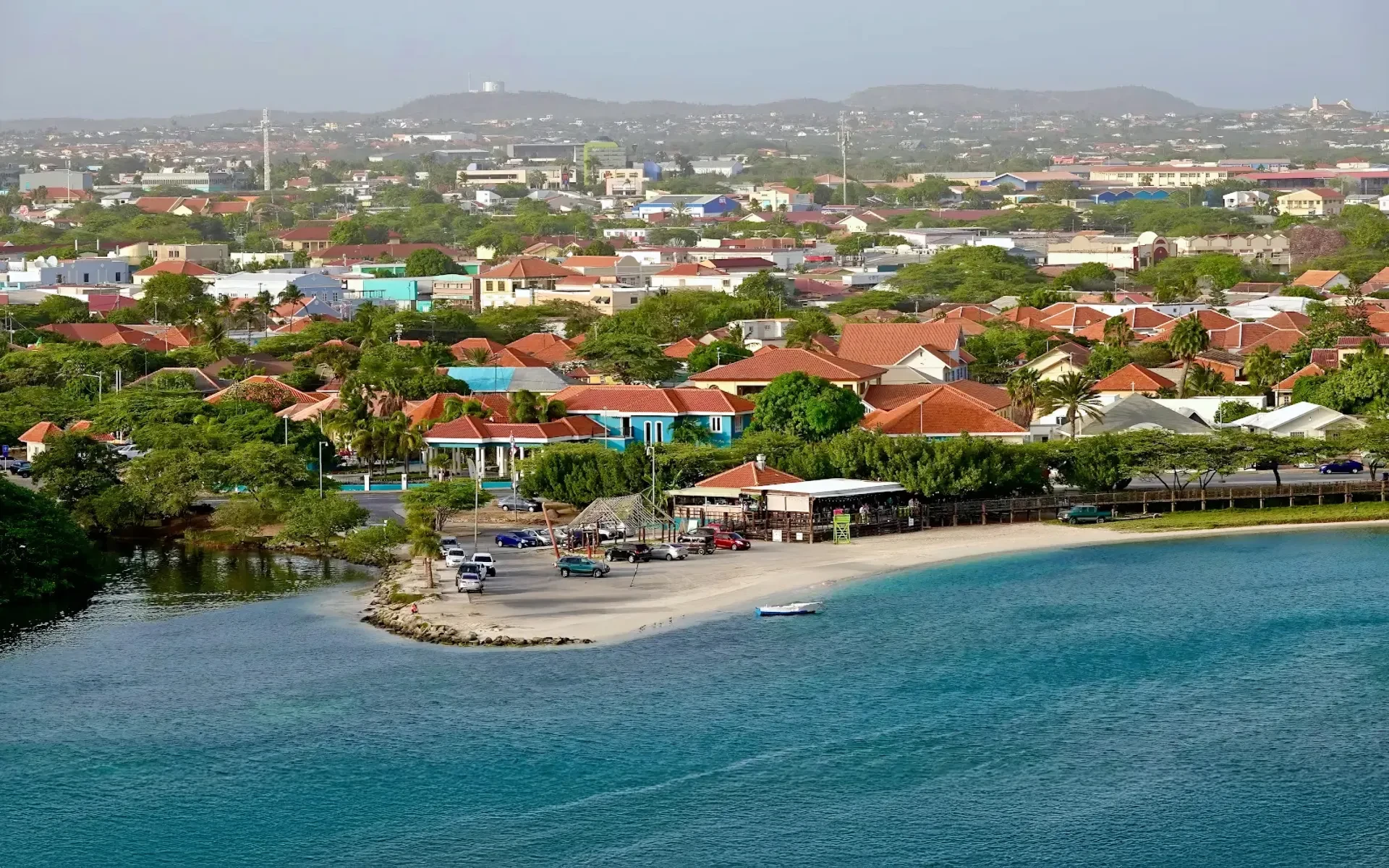
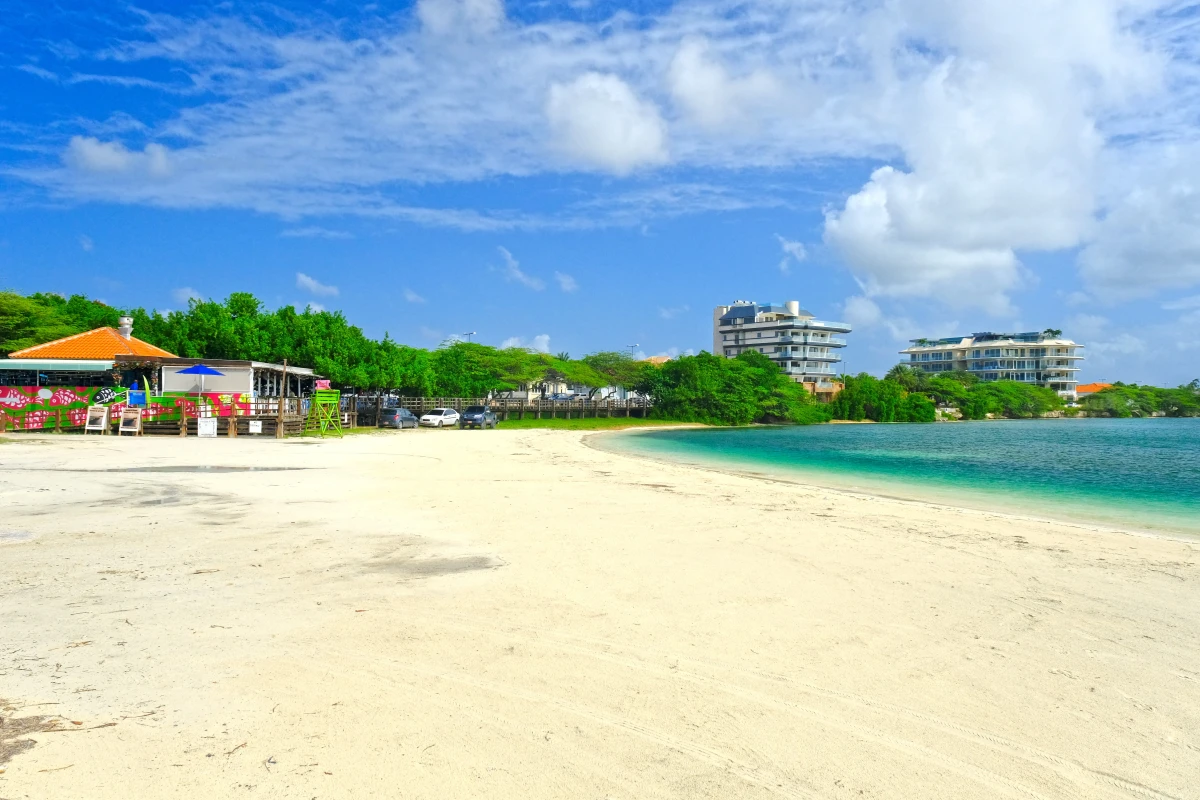
Grapefield Beach
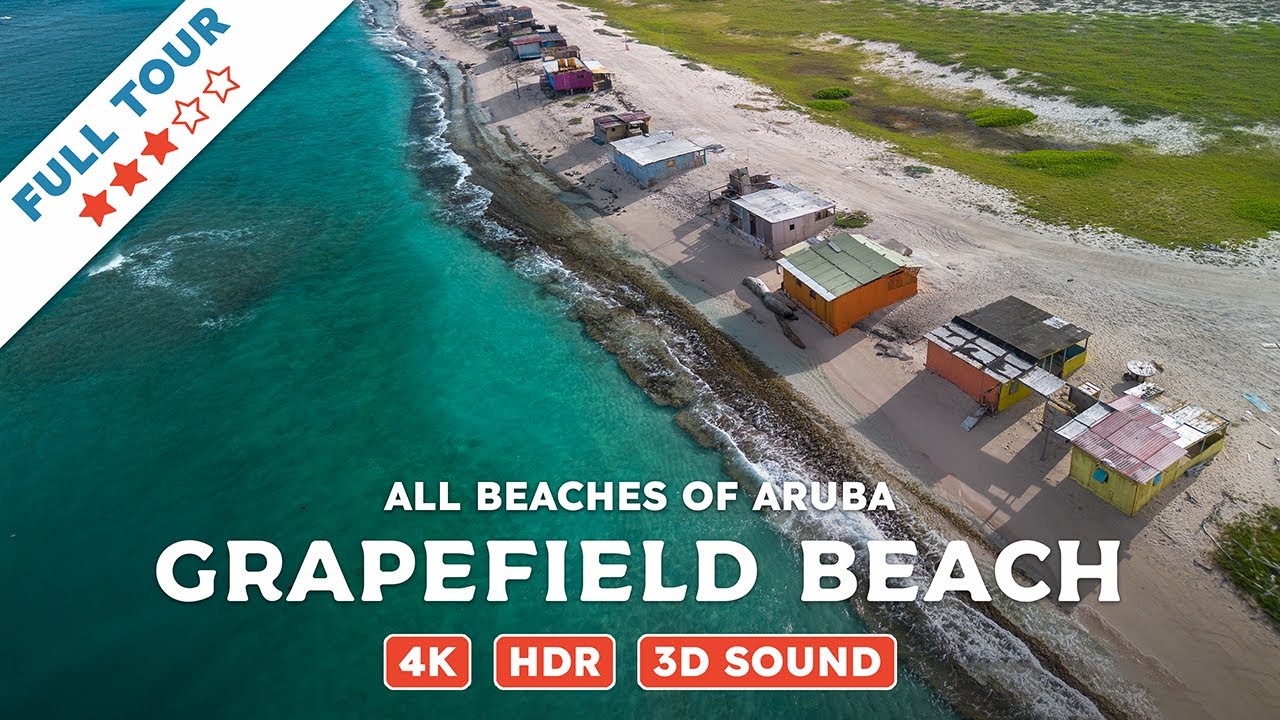
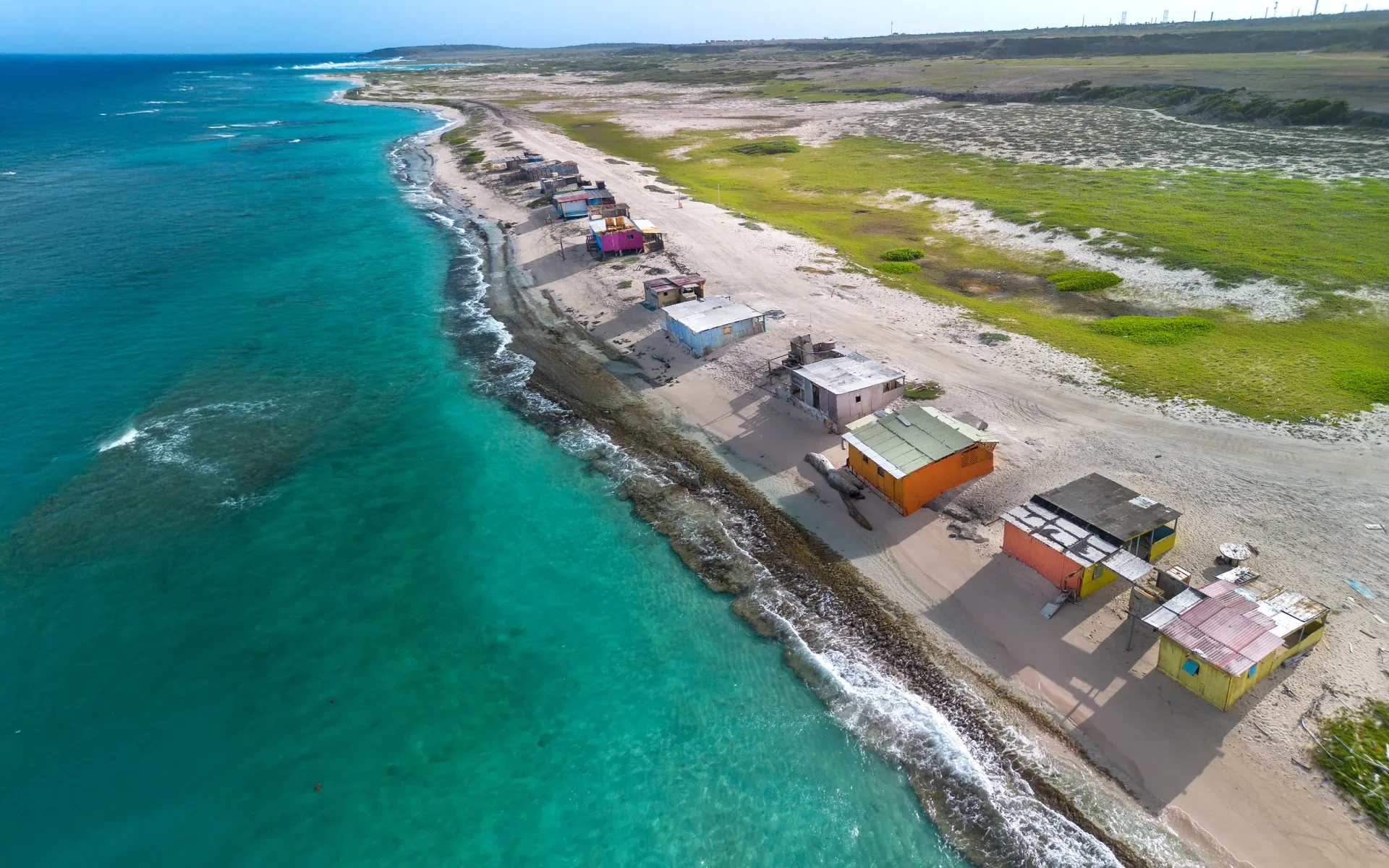
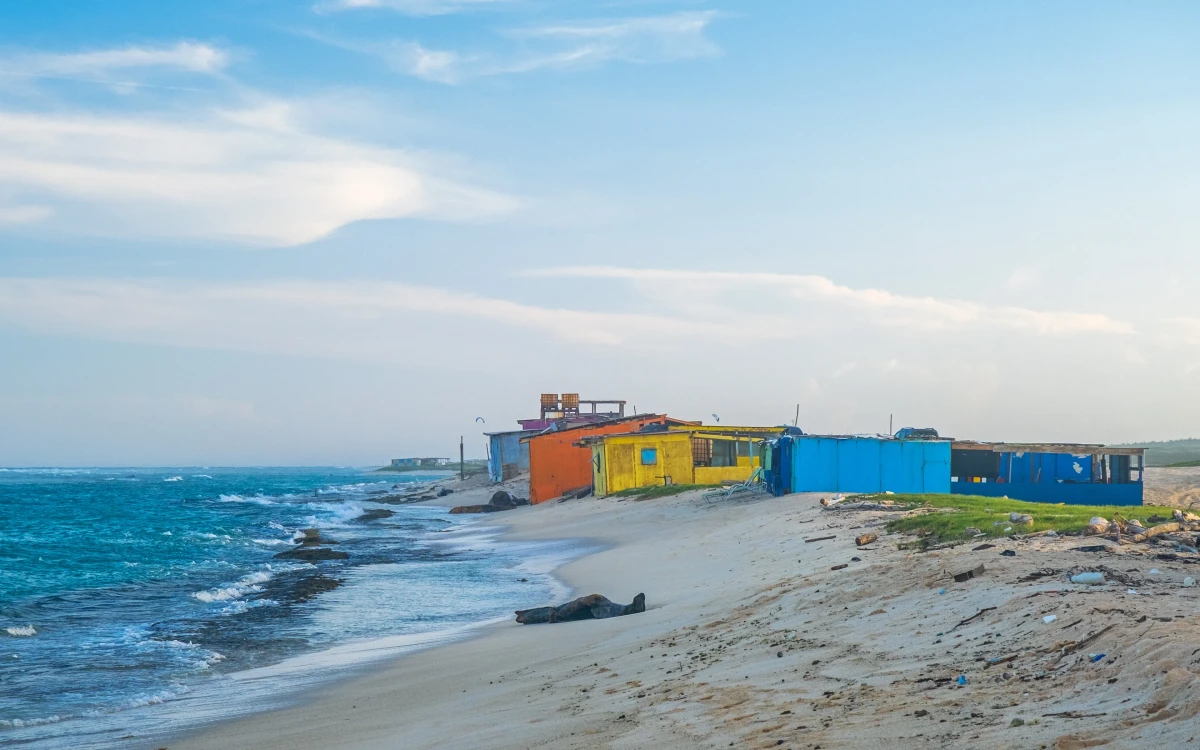
Grapefield Beach Aruba is one of the island’s most off-the-beaten-path beaches, tucked along the wild southeastern coast near San Nicolás. Unlike the polished resort beaches, Grapefield feels raw and otherworldly, with soft sand and windswept dunes. When I visited, the scene was surreal — abandoned shacks, stray dogs, and an eerie emptiness that made the place unforgettable.
Hadicurari Beach
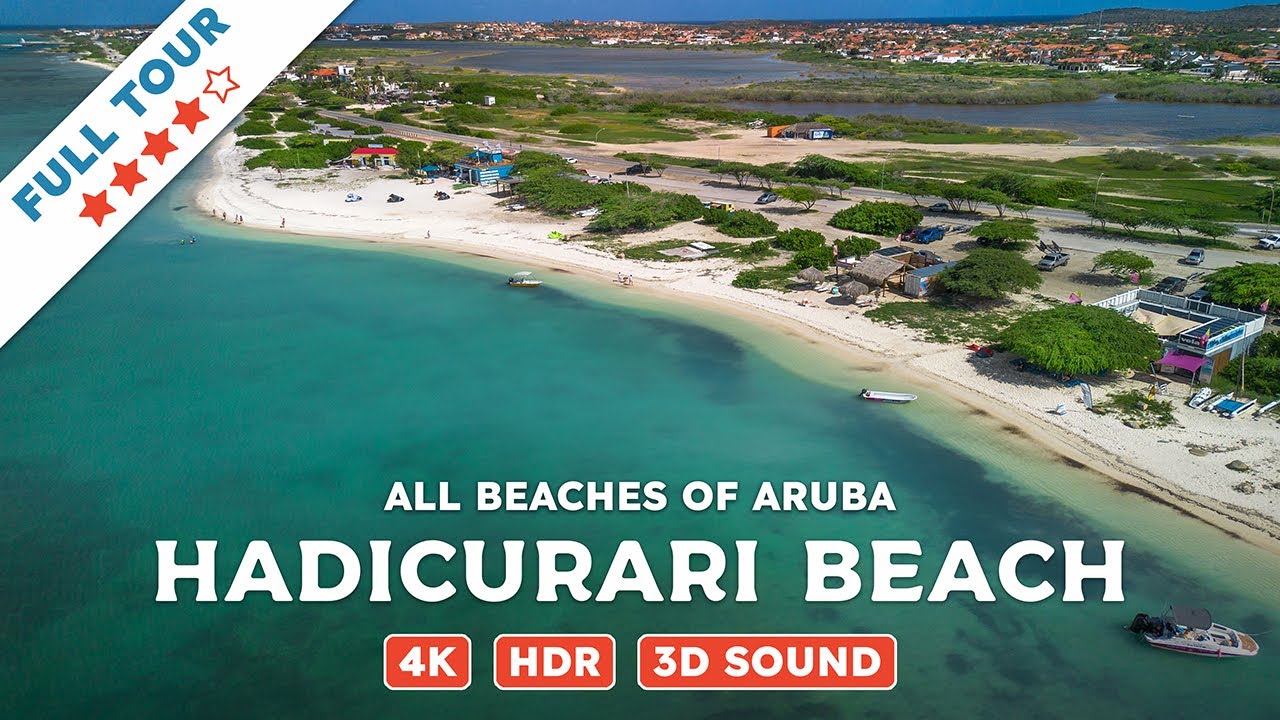
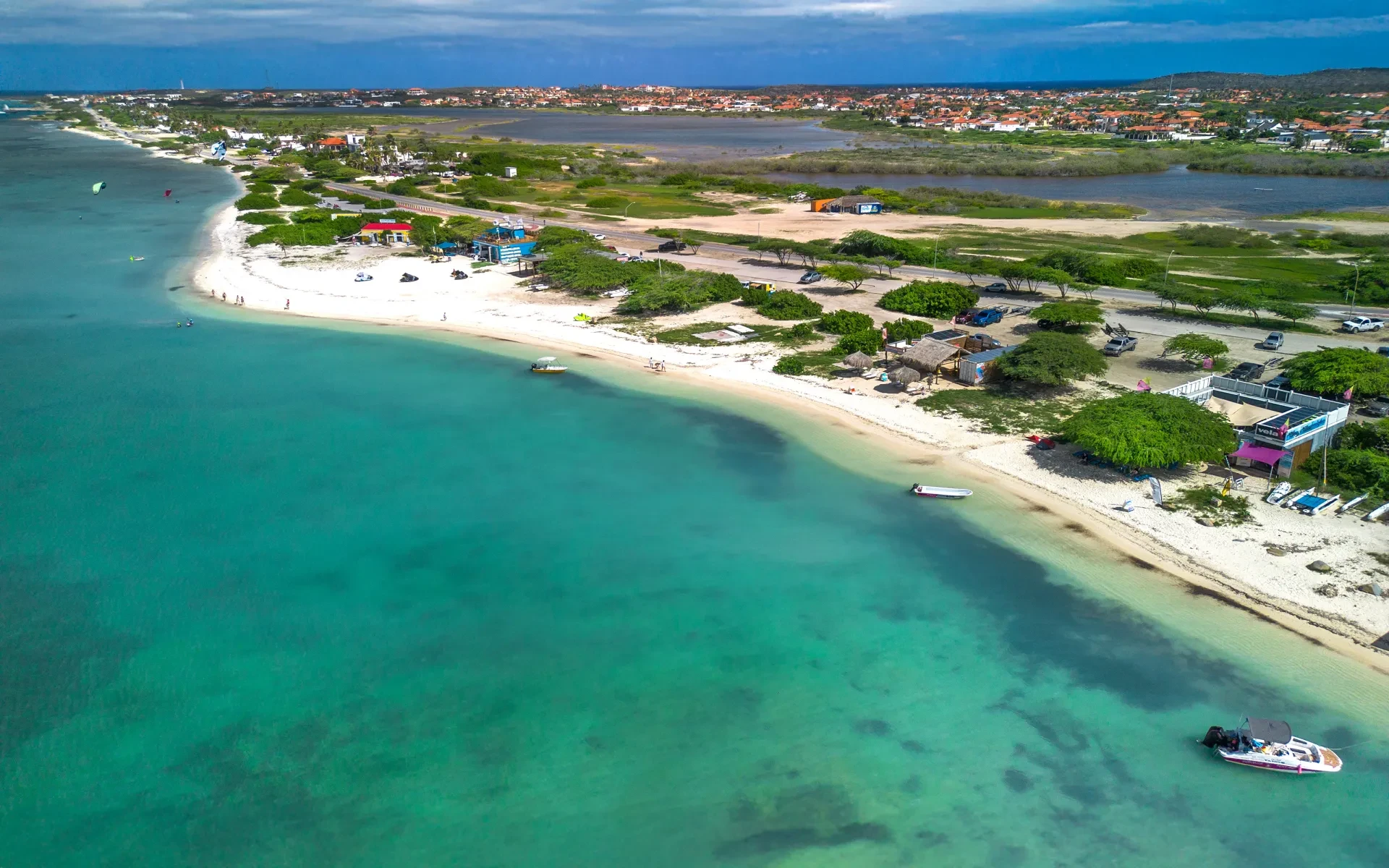
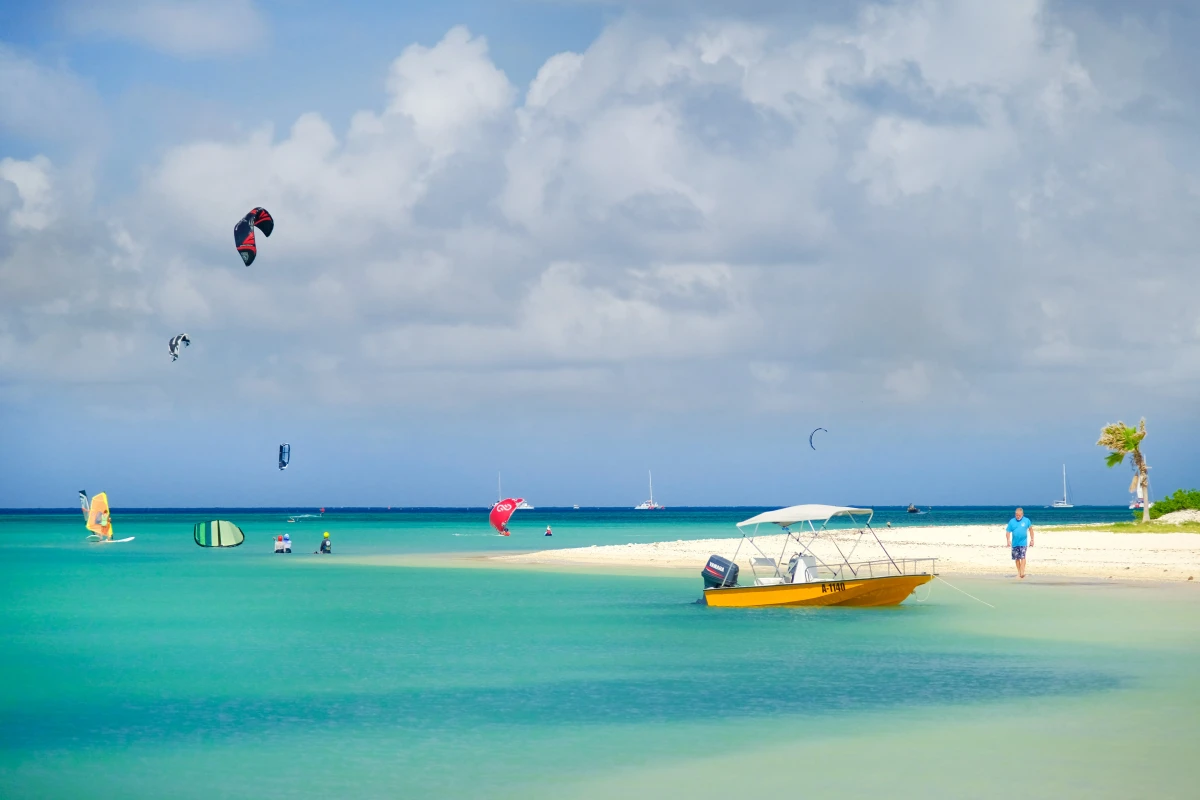
Hadicurari Beach is famed as the island’s windsurfing and kitesurfing mecca, where colorful sails dance across aquamarine water. Nestled north of the Palm Beach zone, it offers a more relaxed, sporty alternative to Aruba’s high-rise coast.
Hyro's Cove
Hyro’s Cove is a small indentation in Aruba’s rugged limestone coast. It’s one of the least significant beaches on the island, with nothing to do and no safe access to the water. Most visitors only pass by if they’re driving the northeast coast by jeep, barely even noticing that there is a beach kind of thing here.
Iguana Beach
Iguana Beach is a tranquil, family-friendly beach located on the private Renaissance Island, just off Oranjestad. It's one of the two beaches on the island and this one is known for its resident iguanas, shade, cabanas, and easy access (via the resort’s boat). As part of a private island experience paired with Flamingo Beach, Iguana Beach offers a quieter counterpoint to the flamingo-crowd.
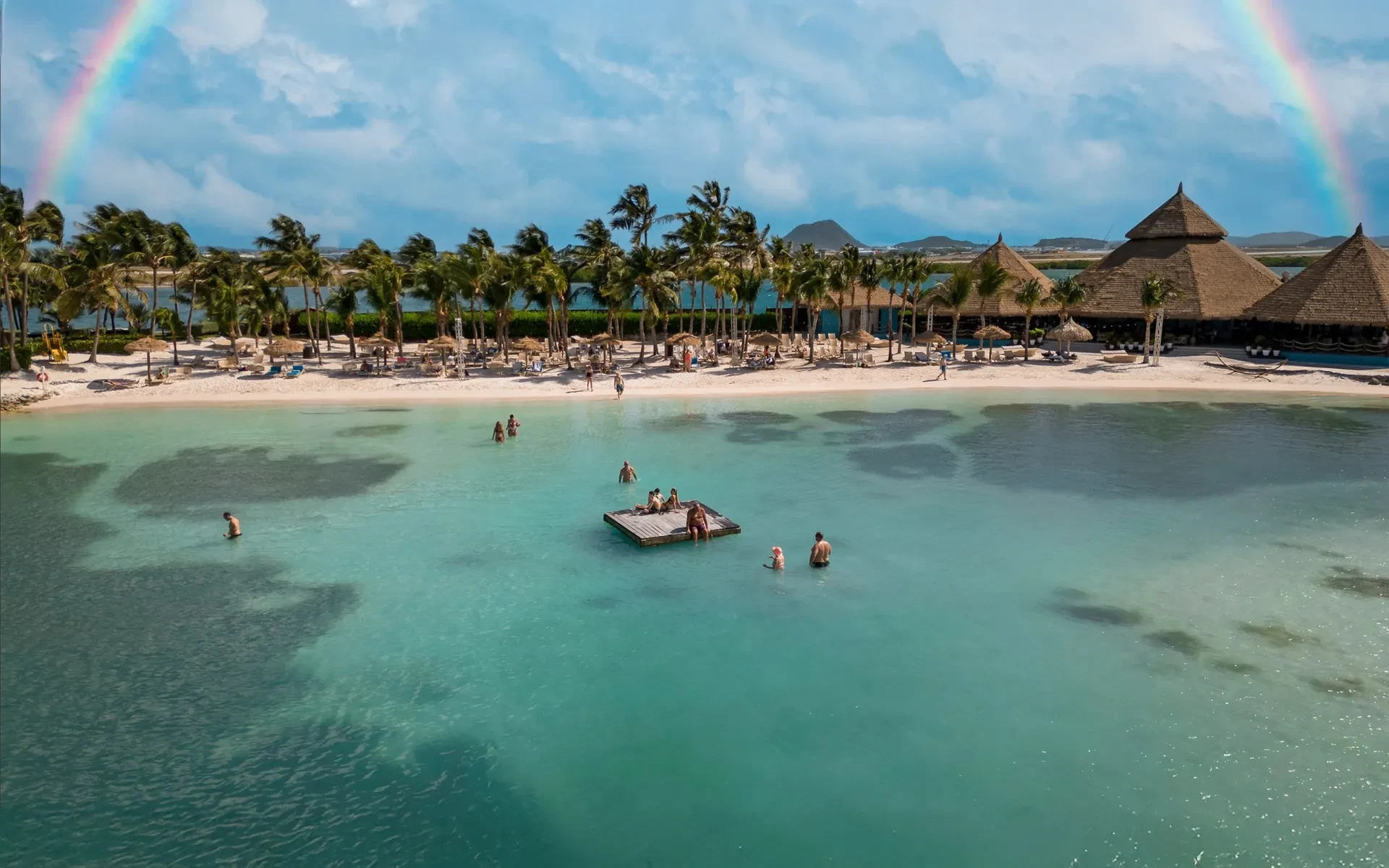
Juanita Beach
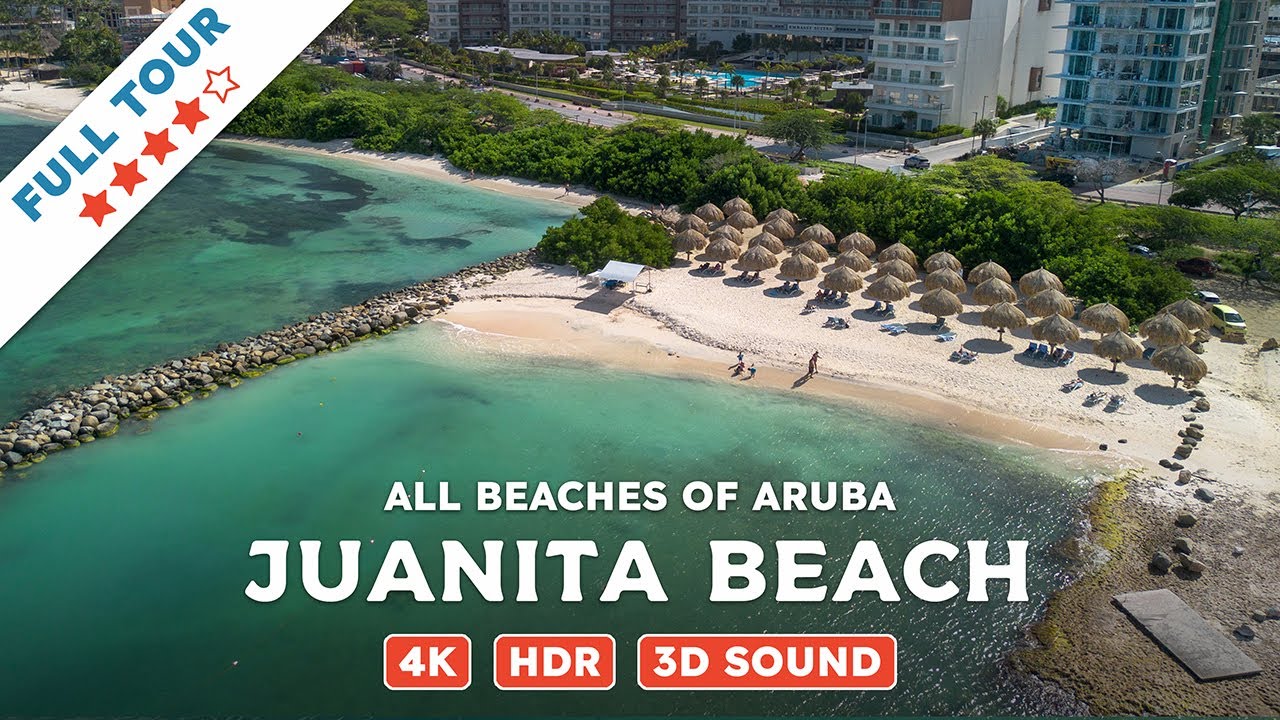
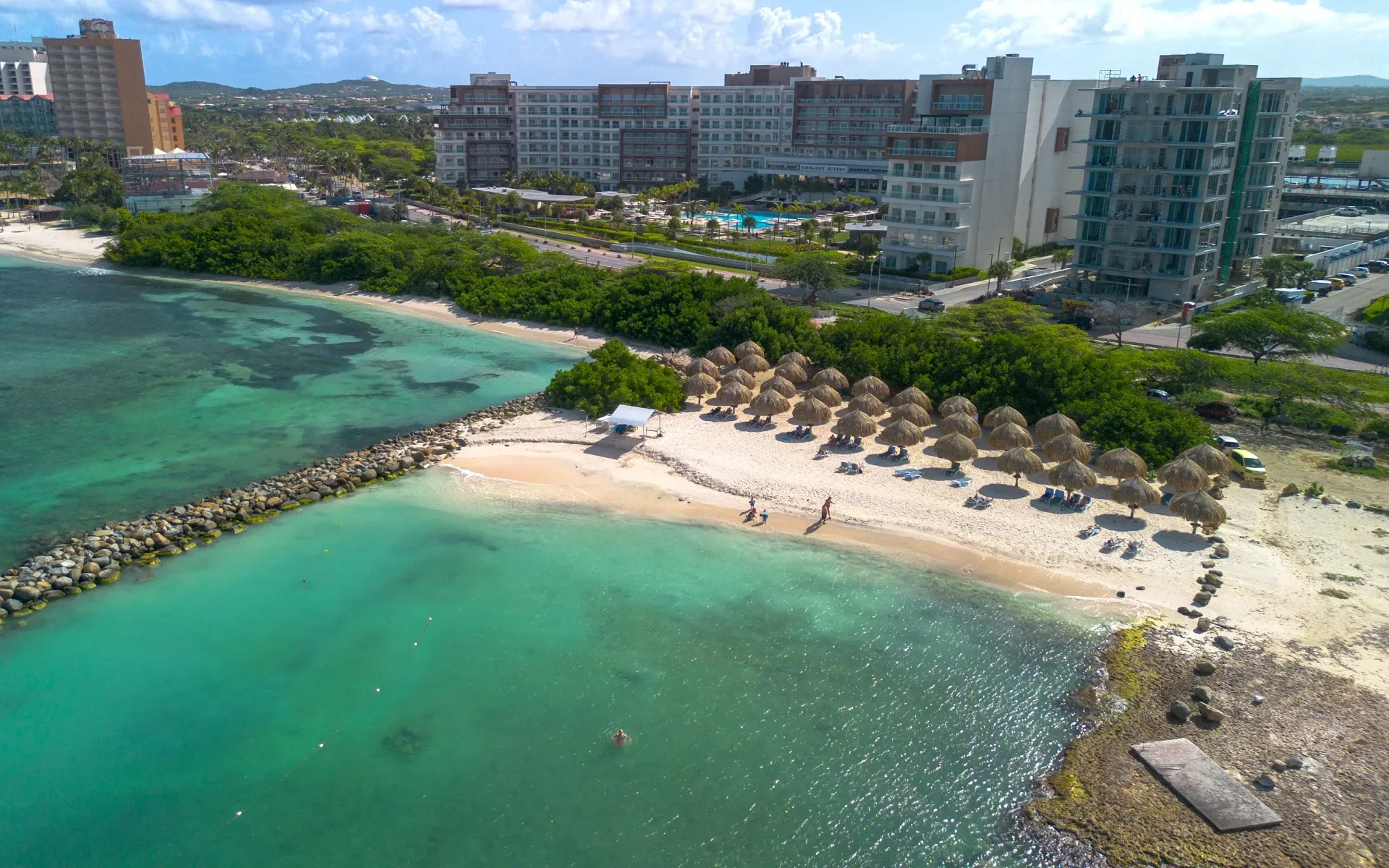
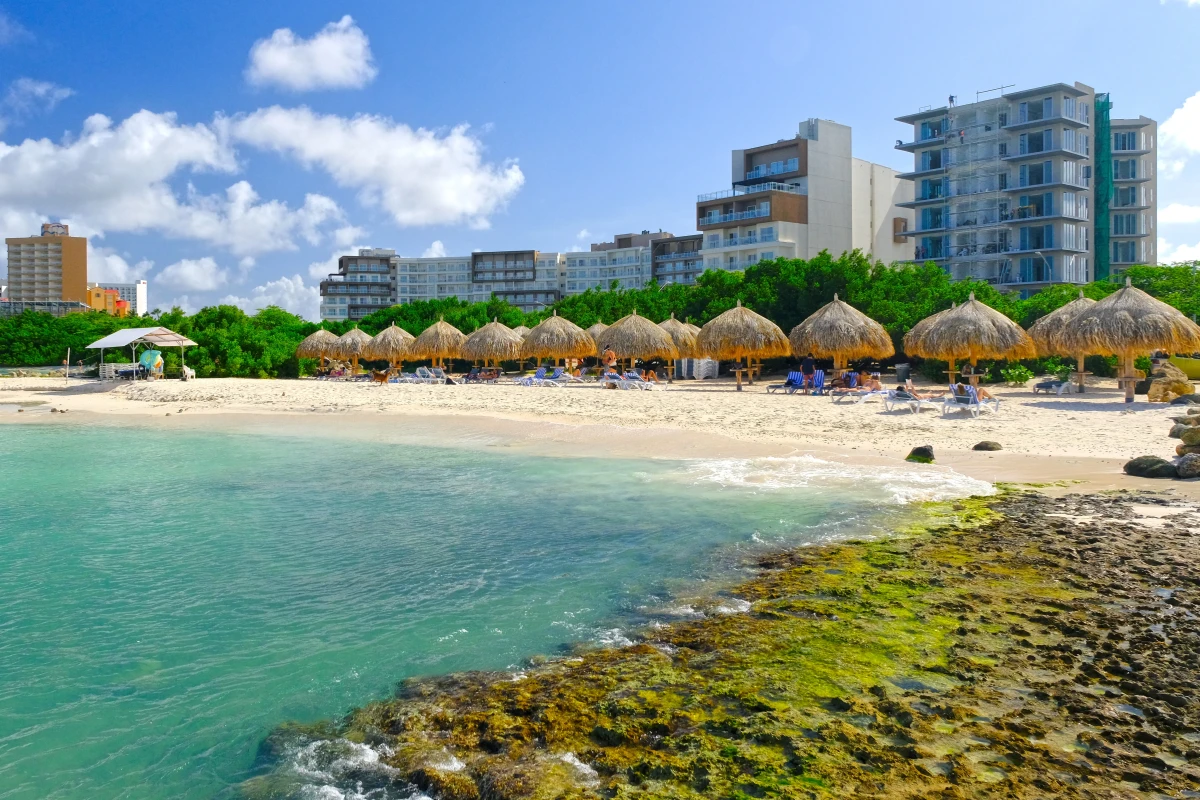
Juanita Beach is a small hidden spot that most visitors overlook, but that’s exactly what makes it special. Tucked away from the big resort crowds, it’s a quiet place to swim, watch the sunset, or simply relax under the shade. And should you crave more action, Palm Beach is just arund the corner.
Klif Beach
Klif Beach is another forgotten cove on Aruba’s northeast coast. The area is harsh and undeveloped, with strong waves, sharp rocks, and an abandoned shack as the only sign of human presence. Garbage often washes ashore, making it even less appealing. There’s no swimming, no snorkeling, and no facilities of any kind.
Lince's Cove
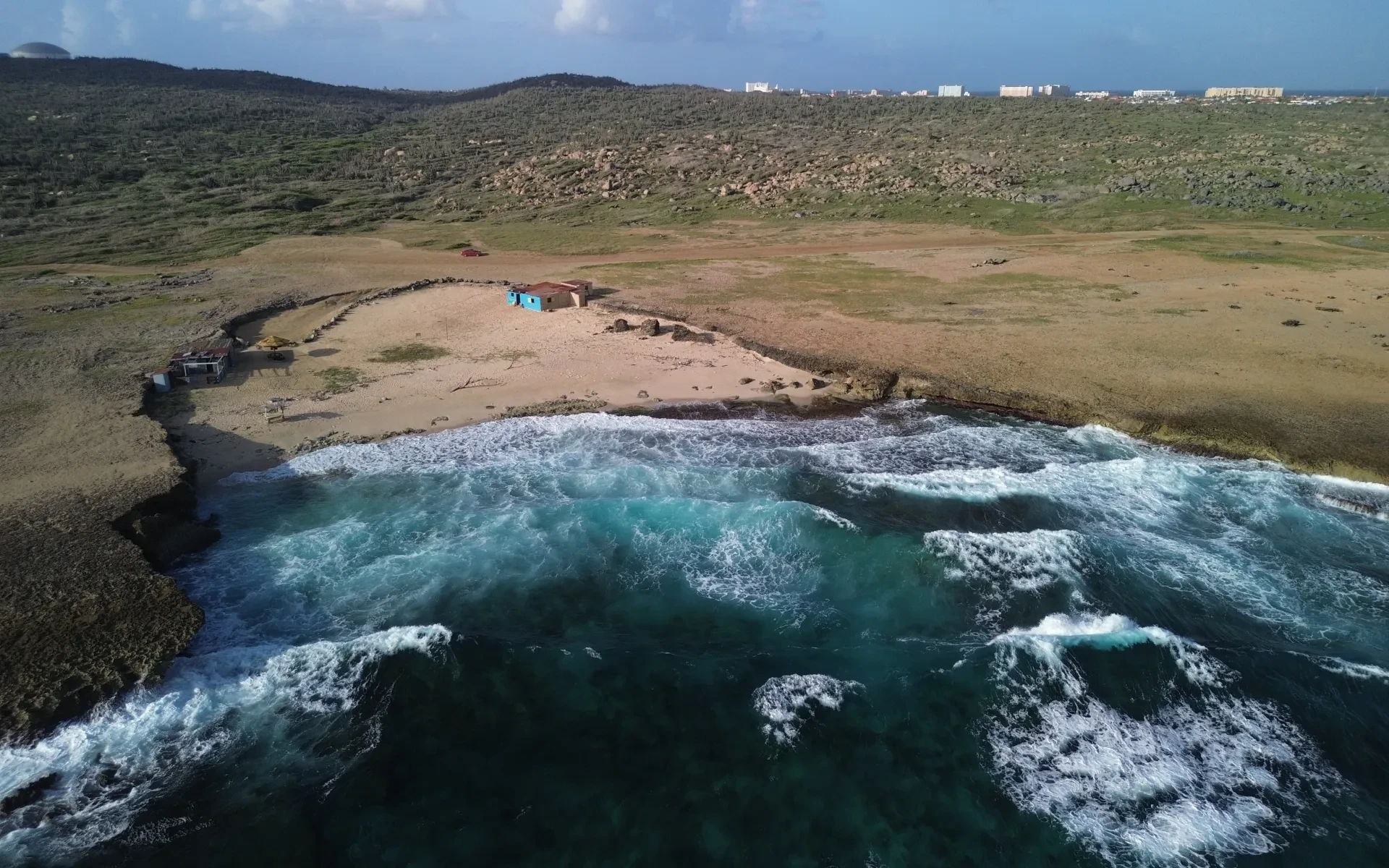
Lince’s Cove is a small, rocky beach on the Aruba’s northeast coast, located right next to Pearl Cove. It’s a little wider than its neighbor, but still has the same rough waves, scattered debris, and complete lack of facilities. There’s no safe swimming or snorkeling here.
Malmok Beach
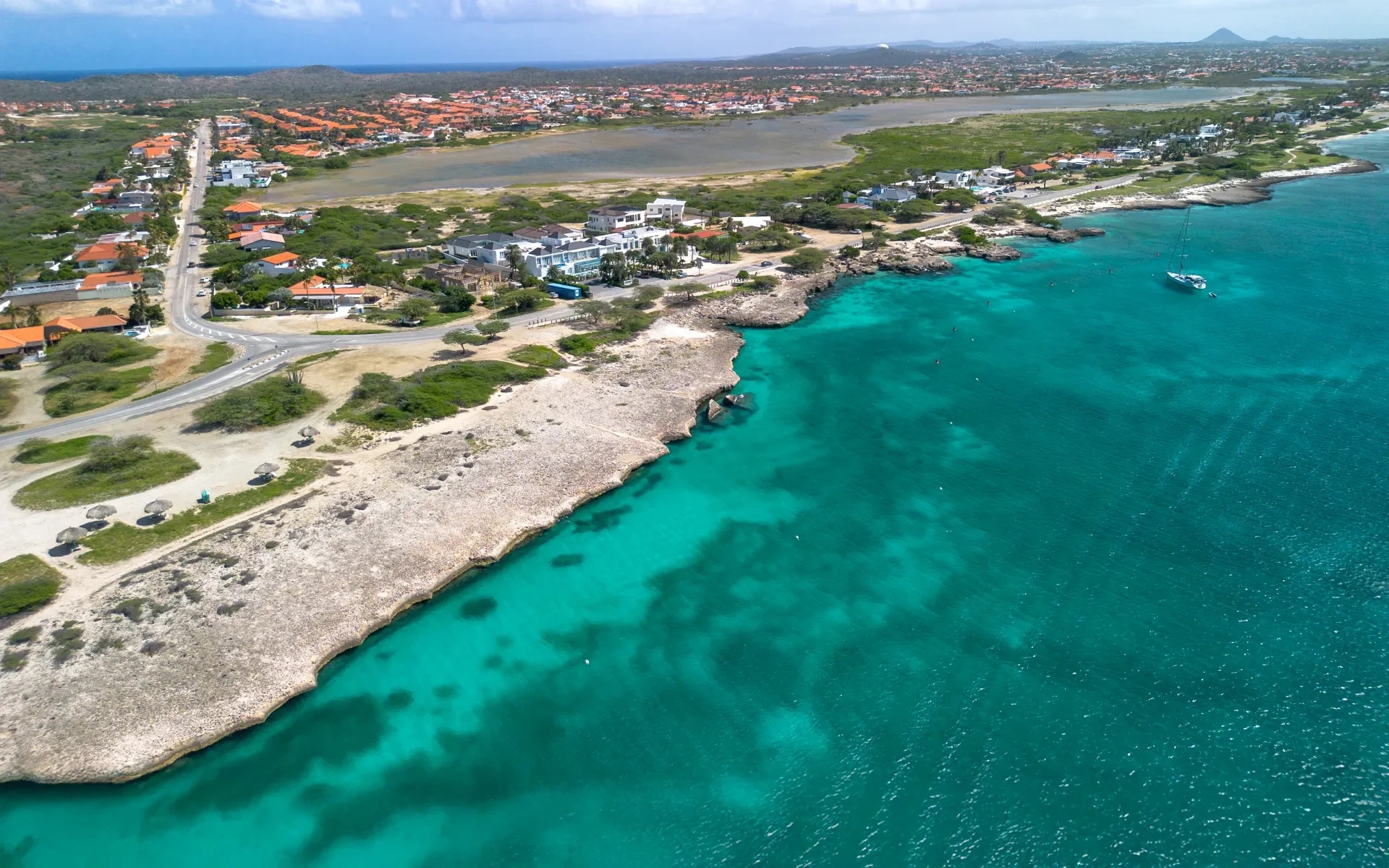
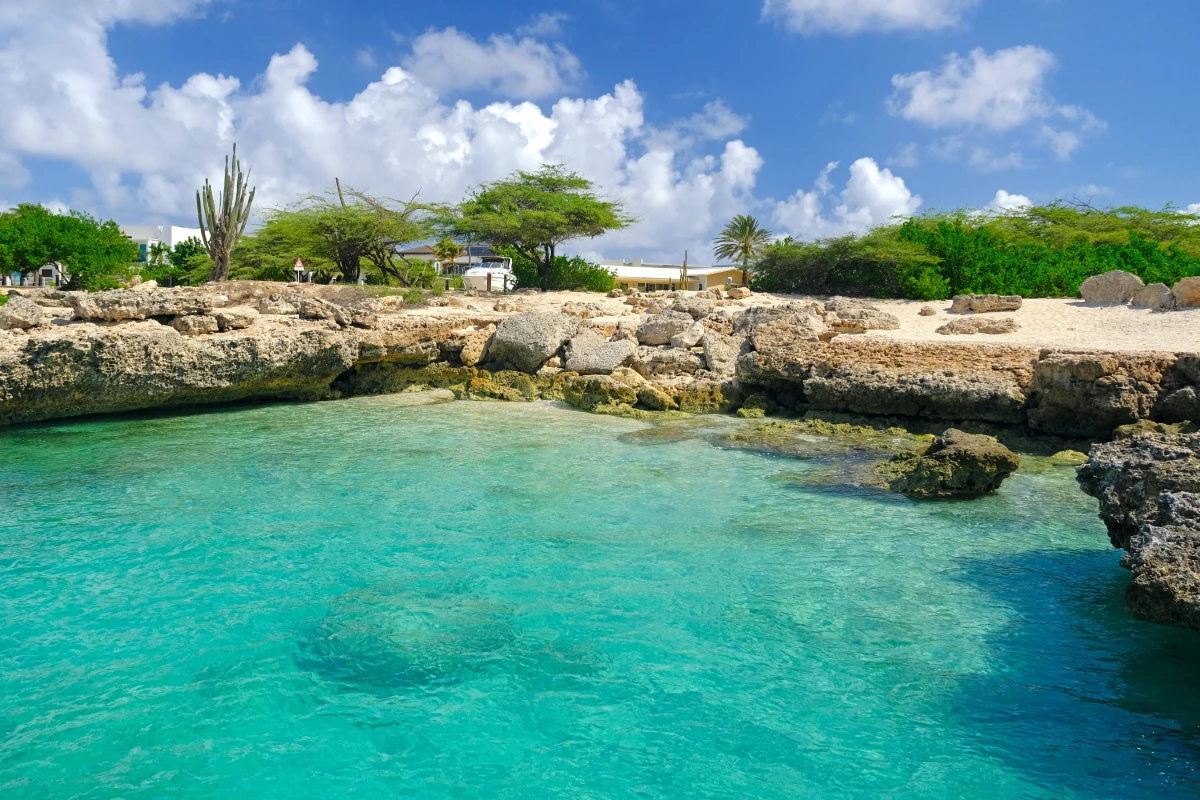
Malmok Beach is a fantastic beach tucked along the limestone coast just north of Palm Beach. With calm, clear waters and excellent snorkeling right off the shore, it’s perfect for a relaxed half-day escape, and the many villas dotting Malmok Beach make it an excellent stay.
Manchebo Beach
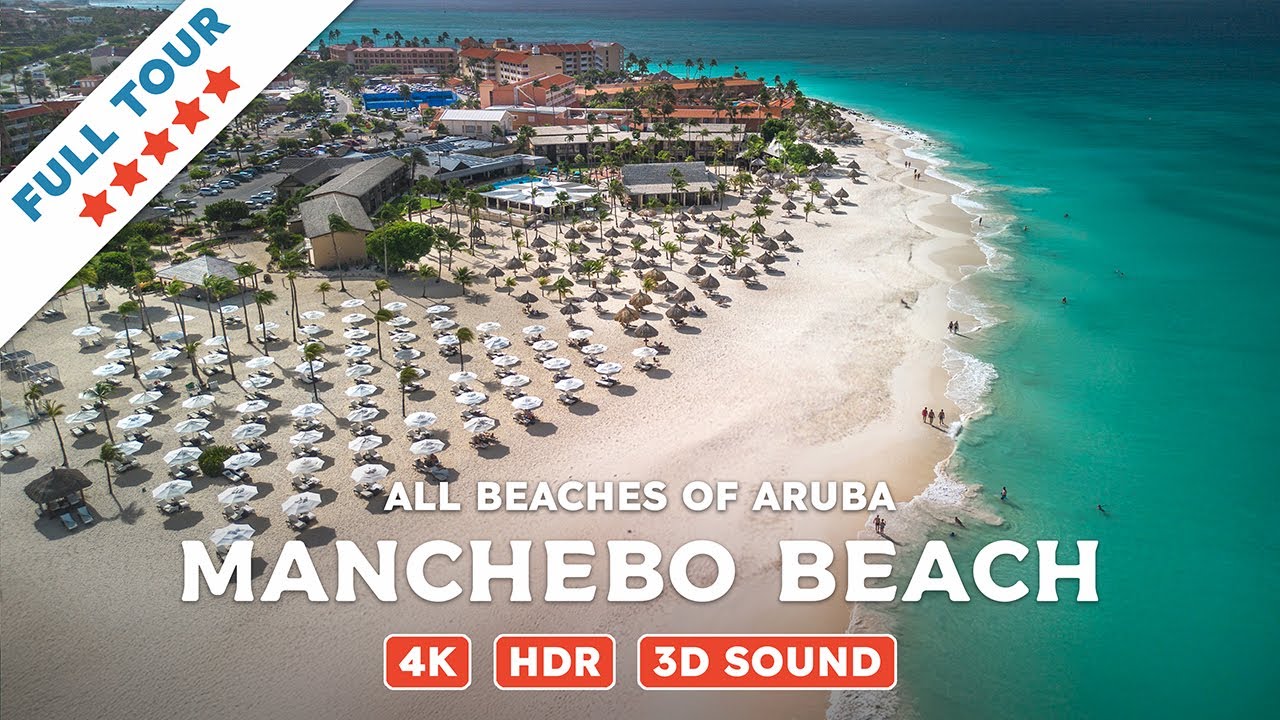
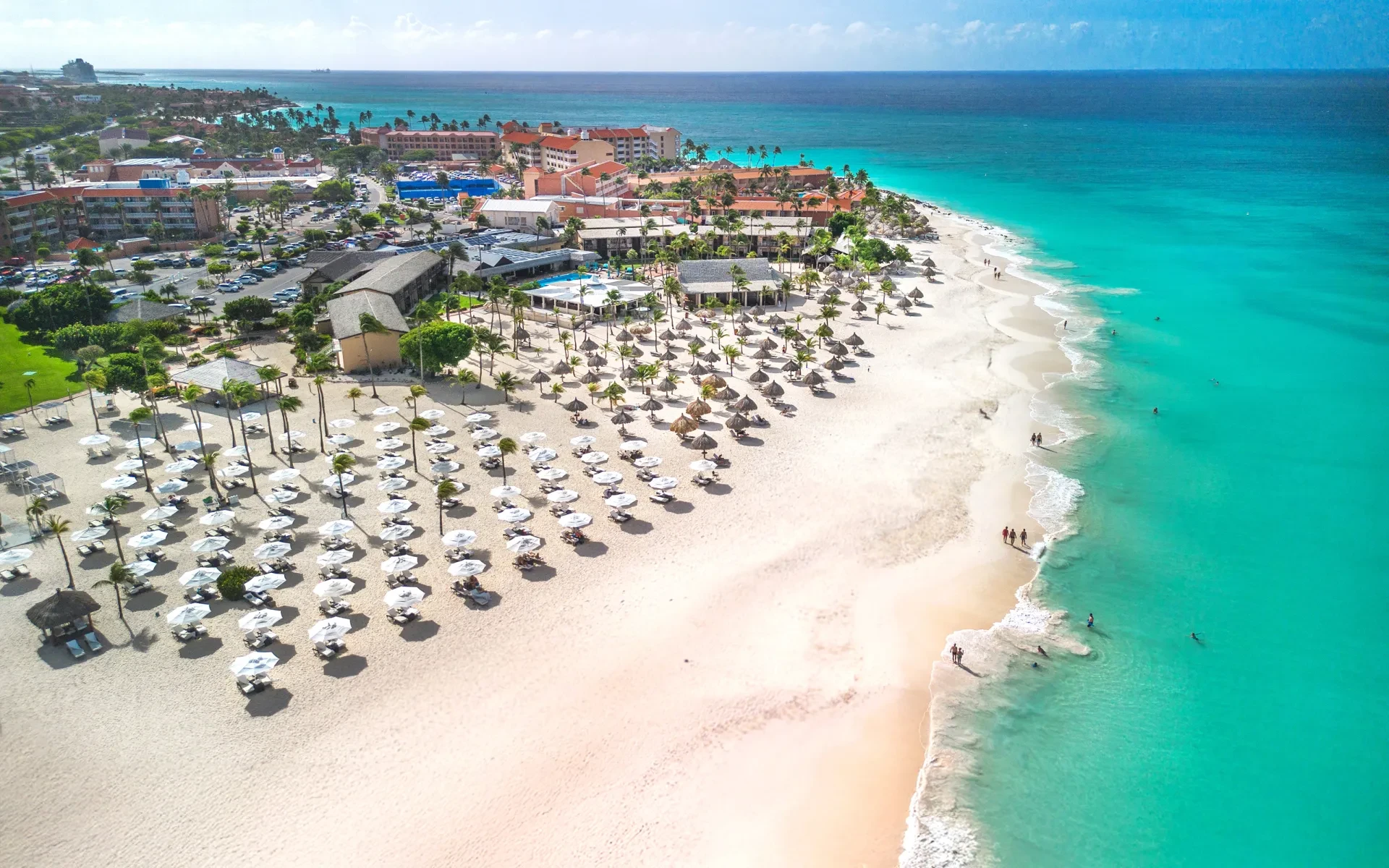
Manchebo Beach is a gem tucked at the western edge of Aruba’s famed Eagle Beach with powder-white sands, gentle turquoise waters, and a wellness-focused ambiance. Because the area has relatively low development compared to Palm Beach, many visitors describe Manchebo as a quieter alternative — ideal for couples, honeymooners, or anyone seeking calm without giving up convenience.
Mangel Halto Beach
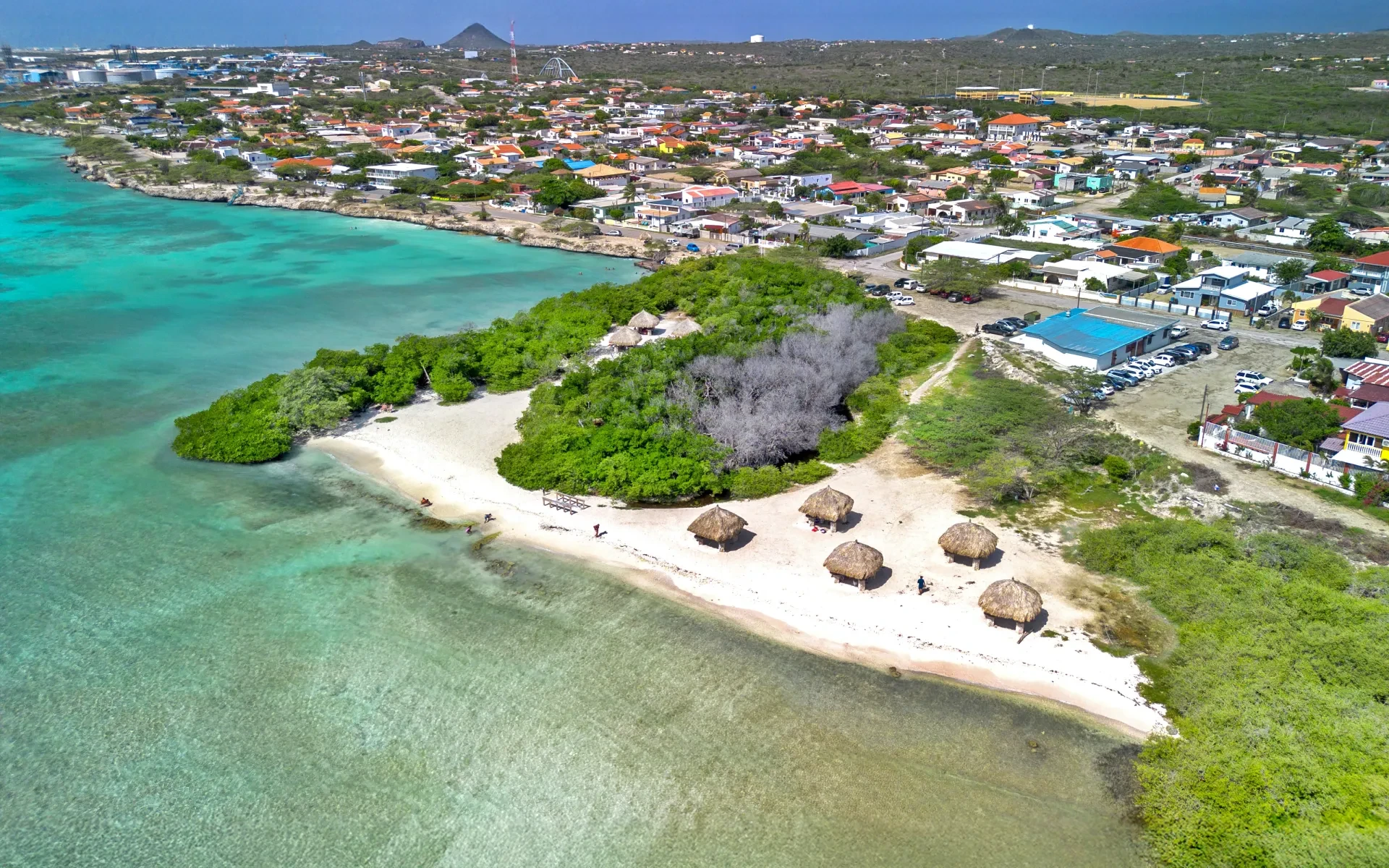
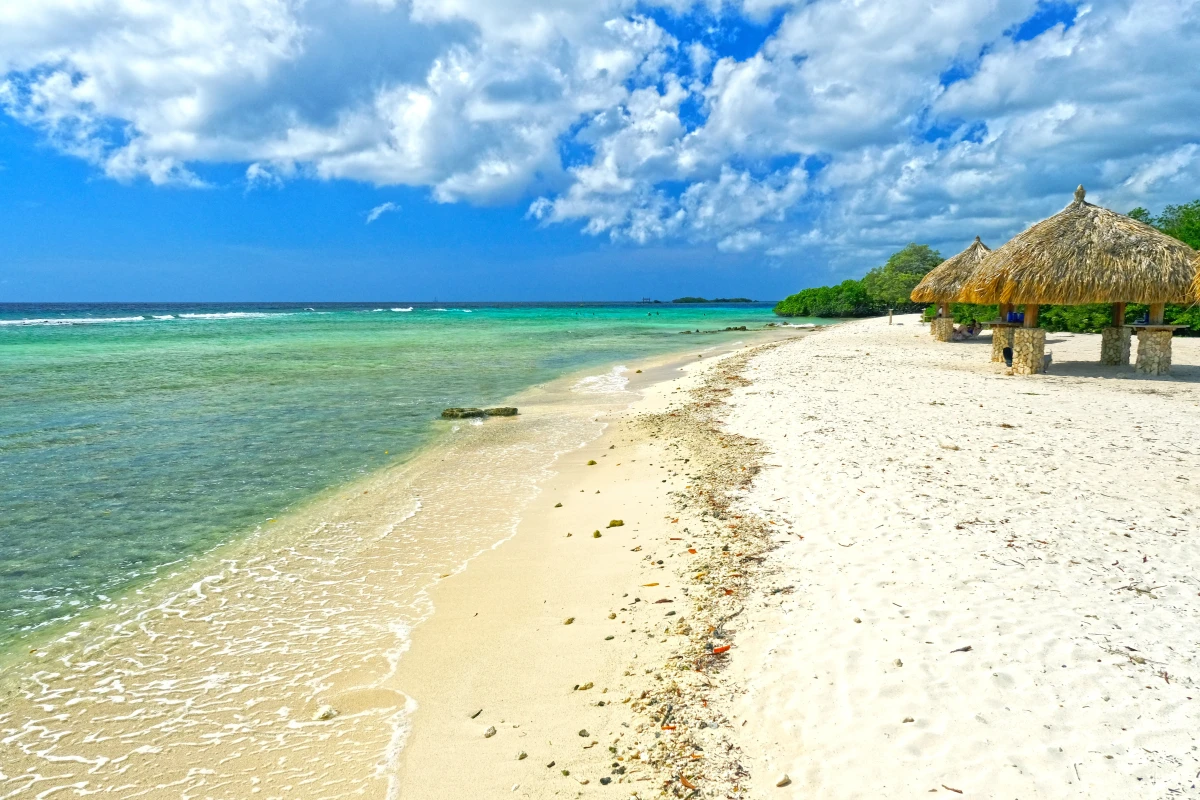
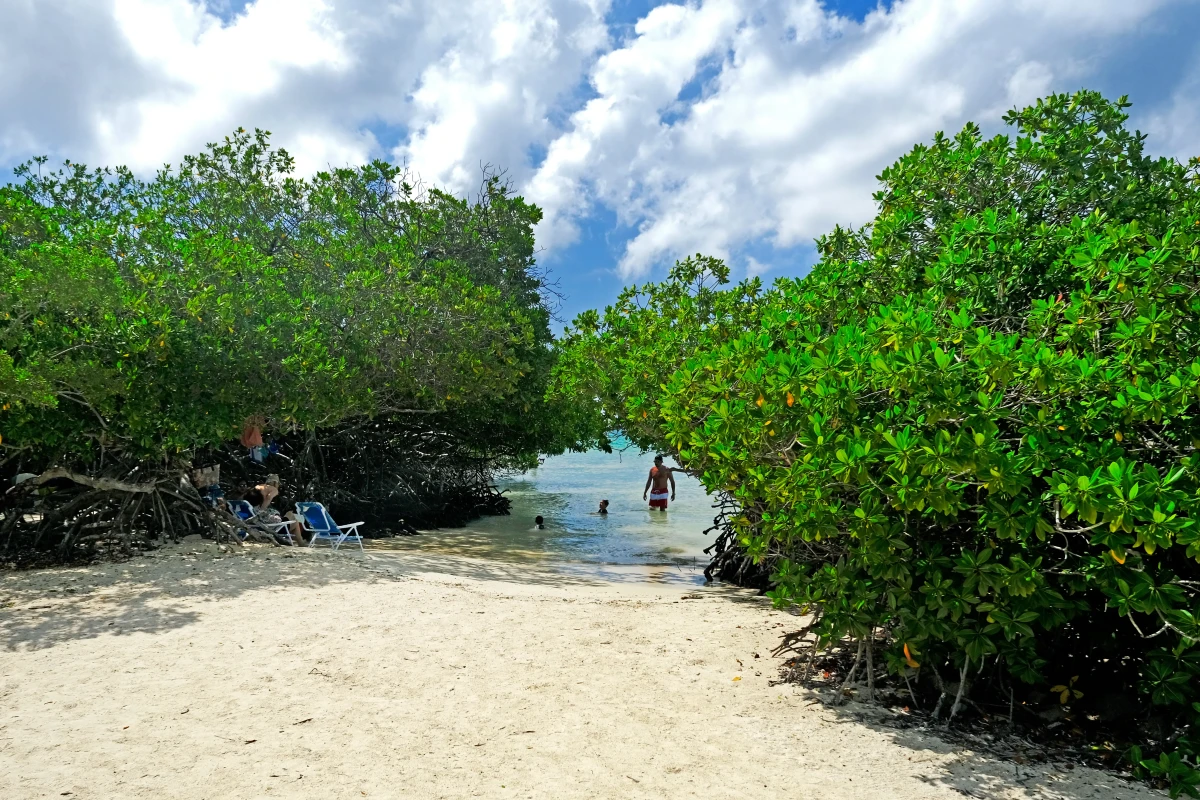
Mangel Halto Beach is the kind of place you hear about from locals, not brochures. Mangroves frame a calm lagoon, the reef just offshore is packed with fish, and the vibe is as far from the resort strip as you can get. Here’s my personal travel guide to Mangel Halto Beach Aruba with tips on snorkeling, places to eat, and where to stay nearby.
Nanki Beach
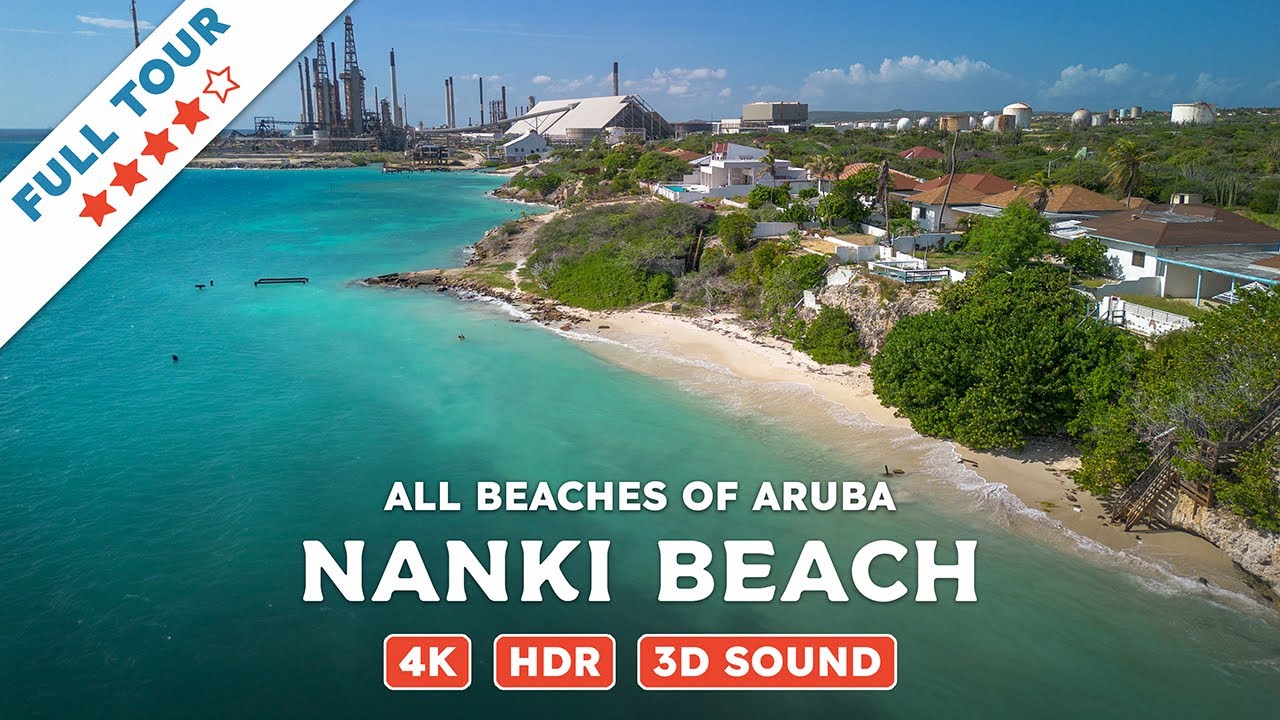
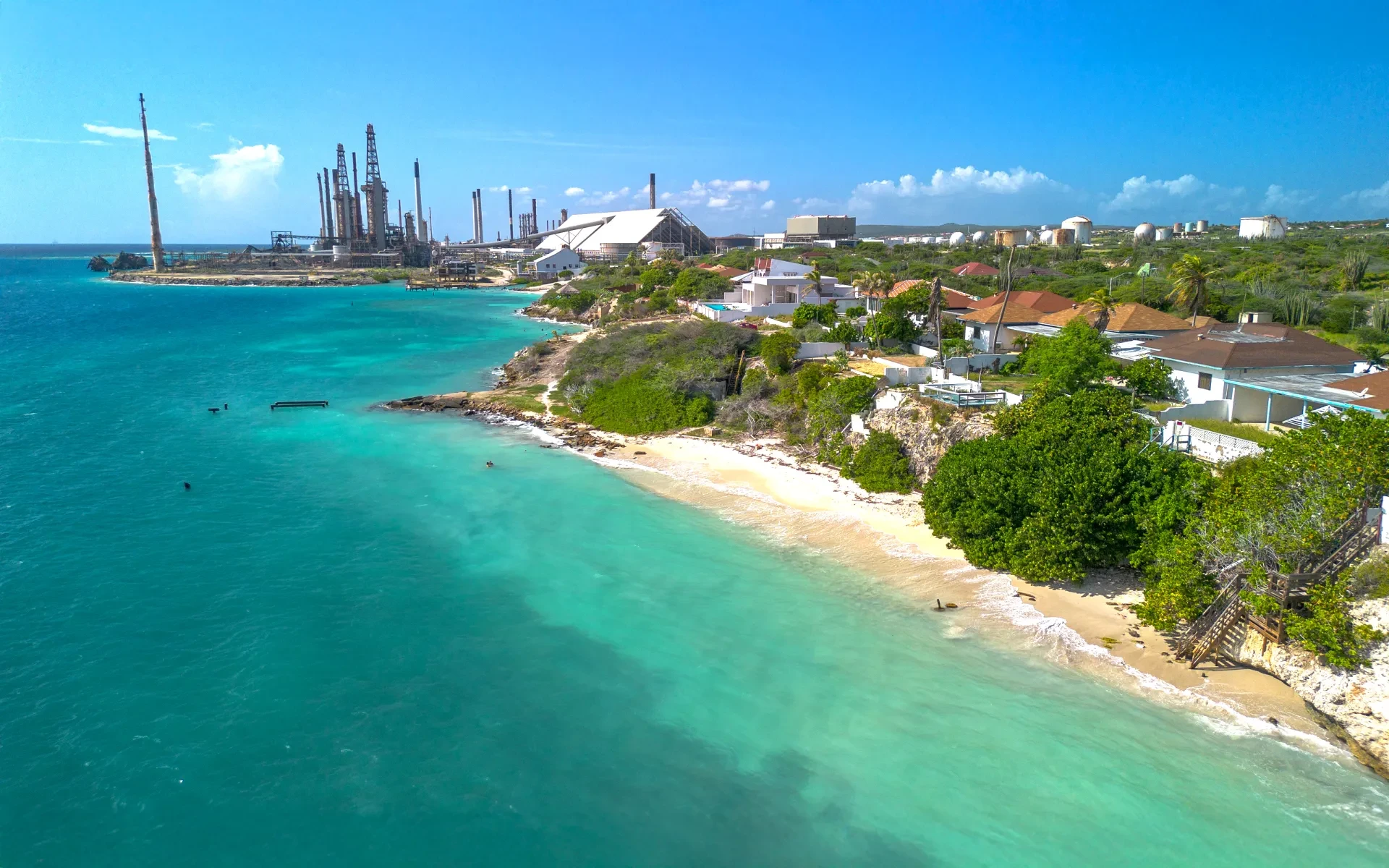
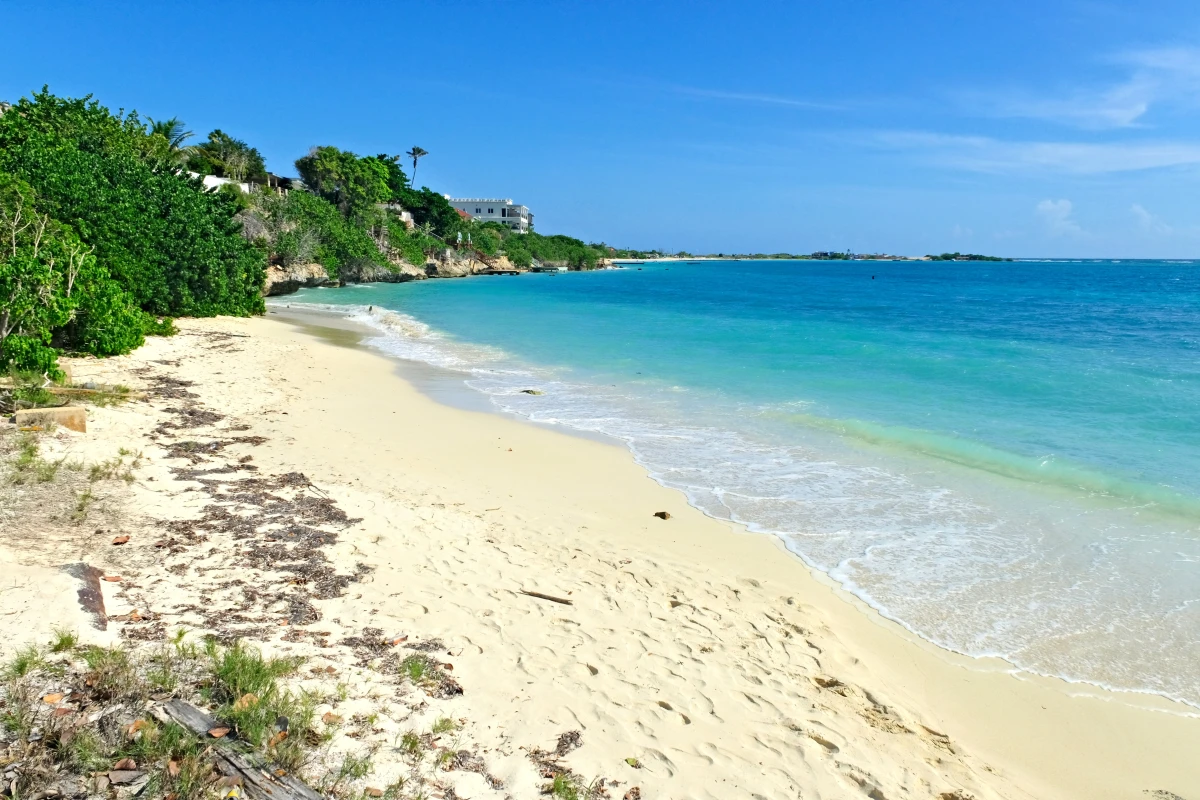
Nanki Beach is one of Aruba’s best-kept secrets, nestled between Rodger's Beach and the island’s oil refinery on the southern coast near San Nicolás. This secluded cove offers an offbeat escape for couples and adventurers who crave quiet over crowds. With rugged cliffs, minimal shade, and a raw natural charm, Nanki Beach Aruba is for those willing to venture slightly off the beaten path to find true solitude.
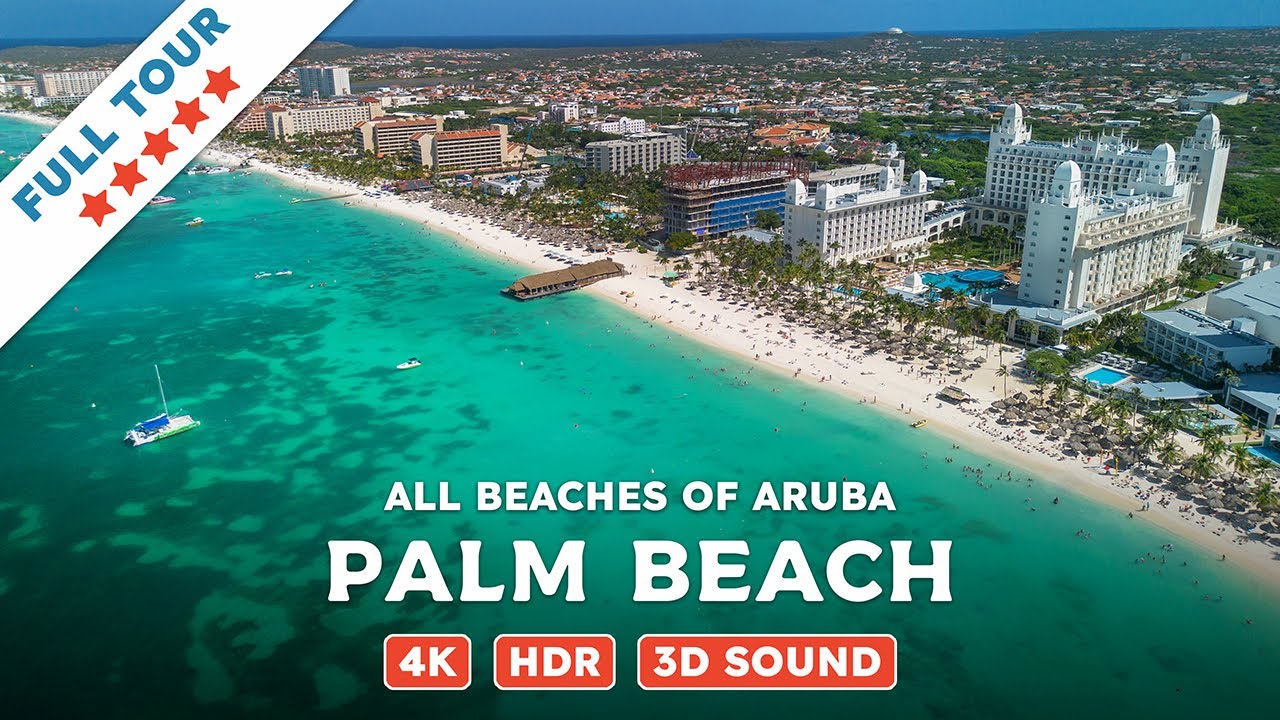
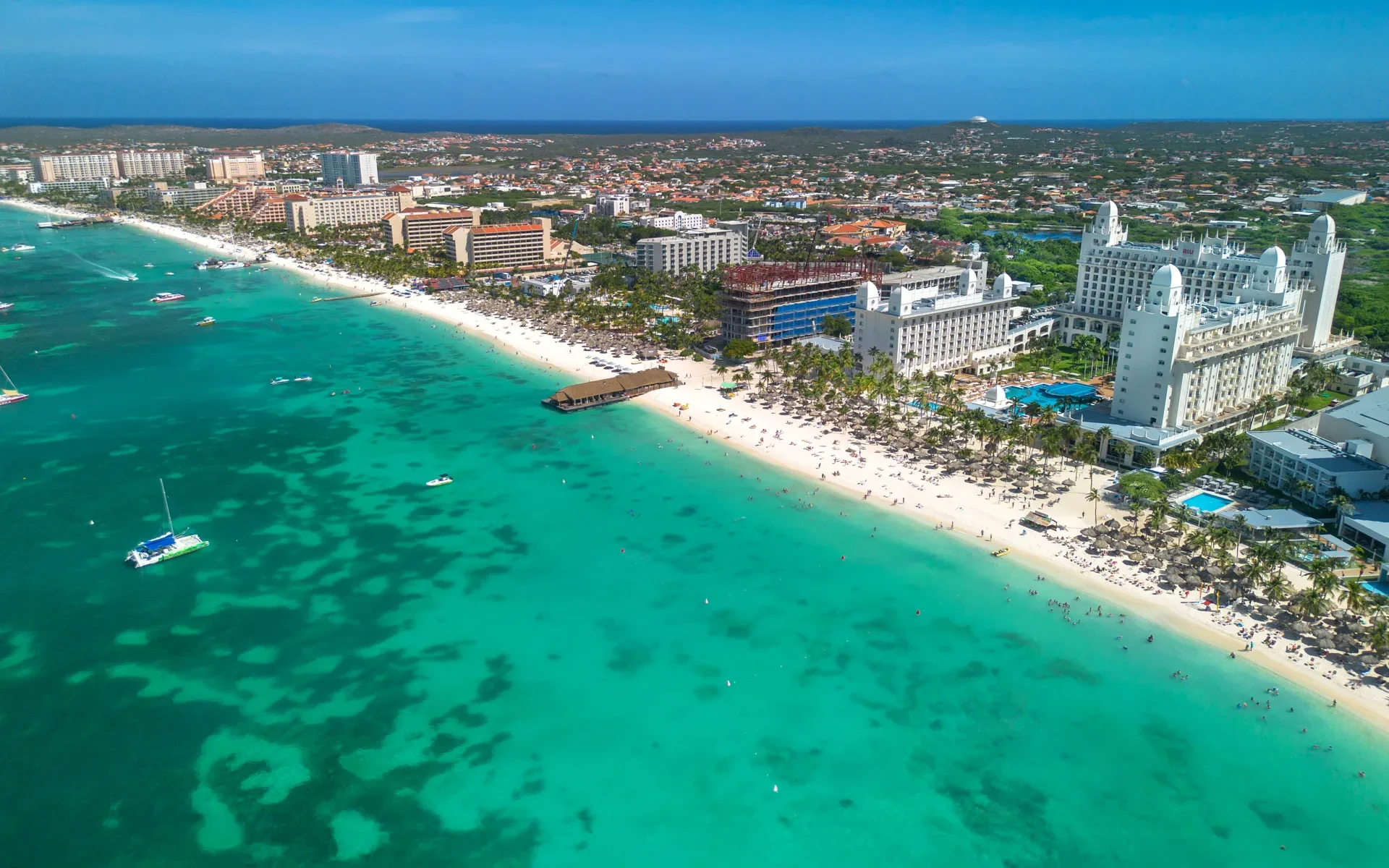
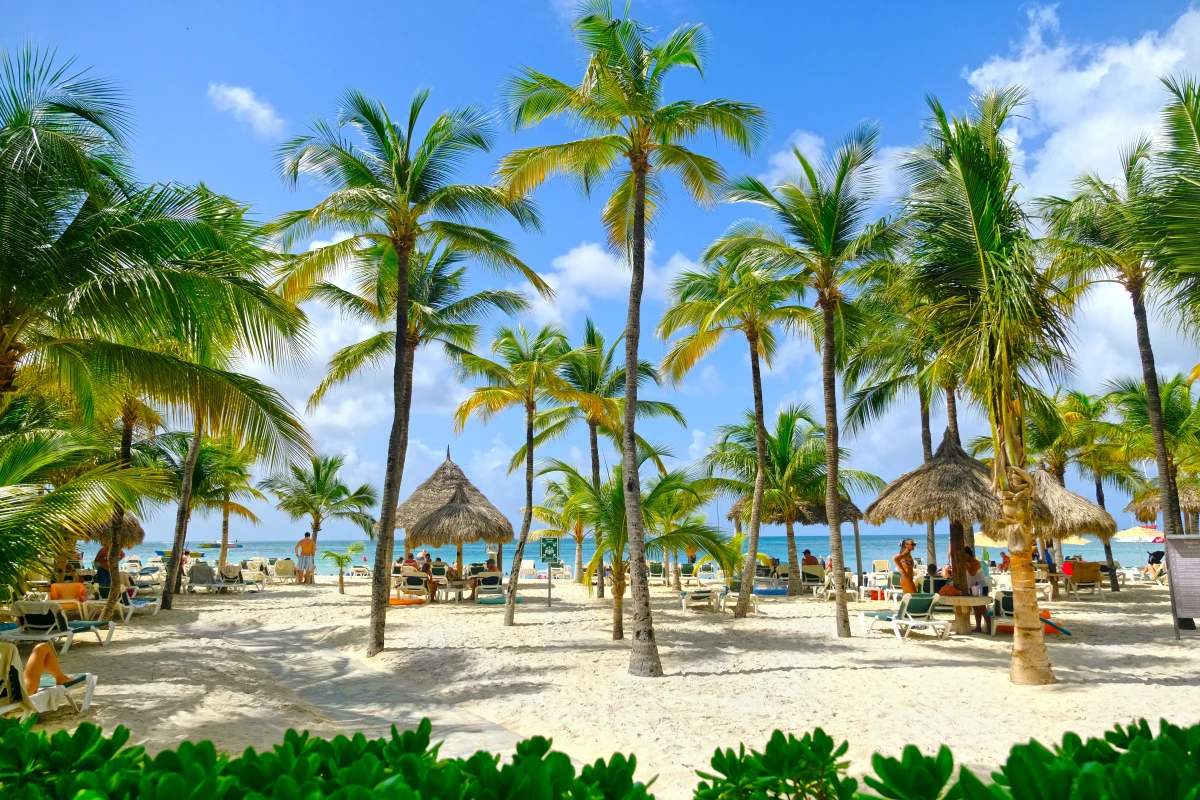
Palm Beach
Palm Beach is one of Aruba’s most iconic stretches of sand, known for its turquoise, calm waters, palm-fringed shore, and bustling resort strip. Located on Aruba’s northwest coast, it’s a hub of beach life, watersports, and nightly entertainment. Whether you’re after relaxation or activity, Palm Beach delivers a vibrant Caribbean beach experience.
Pearl Cove
Pearl Cove is the tiniest of all the northeast coast coves in Aruba. It’s barely more than a sandy pocket carved into the rocks, with no shack, no shade, and no facilities. Like the other coves along this stretch of coastline, the waves are rough outside the cove, and debris often washes ashore. There’s nothing here except the novelty of standing at Aruba’s smallest, most hidden beach.
Picnic Cove
Picnic Cove Aruba is one of the tiny coves scattered along the island’s northeast coast, located between the Natural Bridge and Hyro’s Cove. The beach itself has very little sand, mostly rocks and rough surf, so it’s not a place for swimming or snorkeling. With no shade or facilities, it’s best seen as a quick stop while exploring the Natural Bridge area or hiking the coastline.
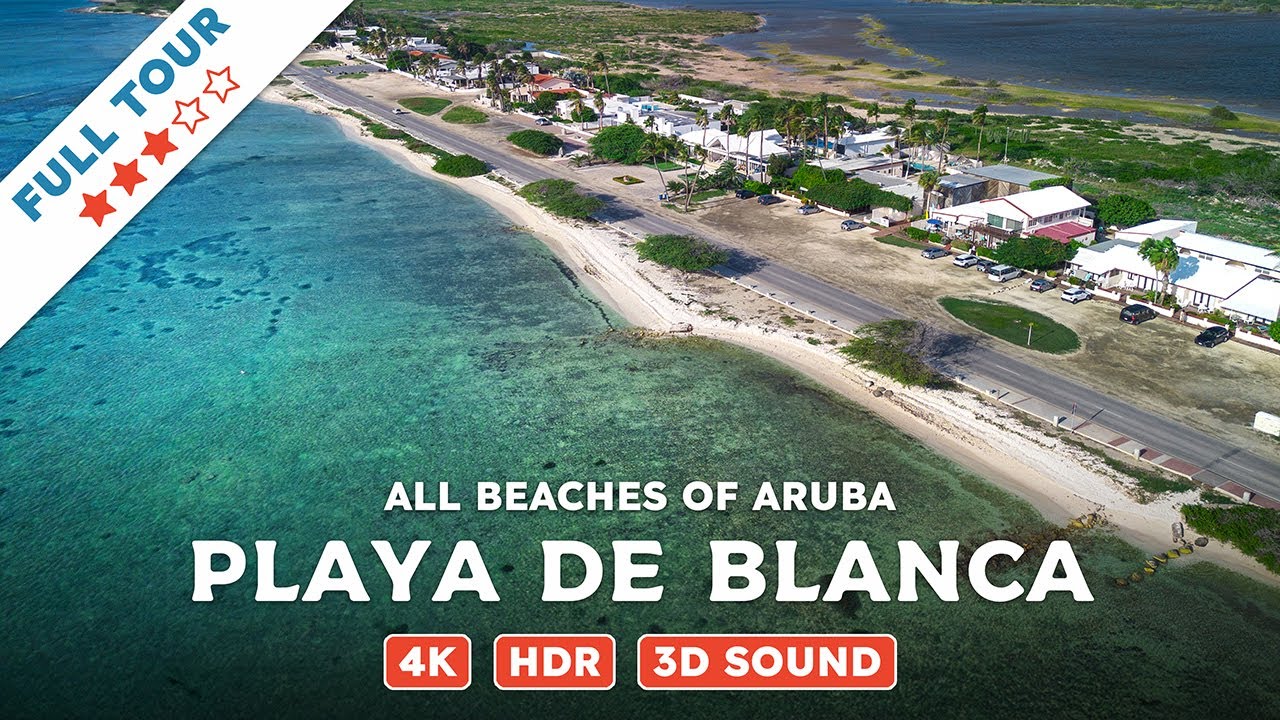
Playa de Blanca
Playa de Blanca is technically a section of Malmok Beach but many people consider it an independent beach. Playa de Blanca is popular among snorkelers and people looking to do some beach combing. With clear shallow waters and a sunken ship, it’s ideal for both casual swimmers and underwater explorers.
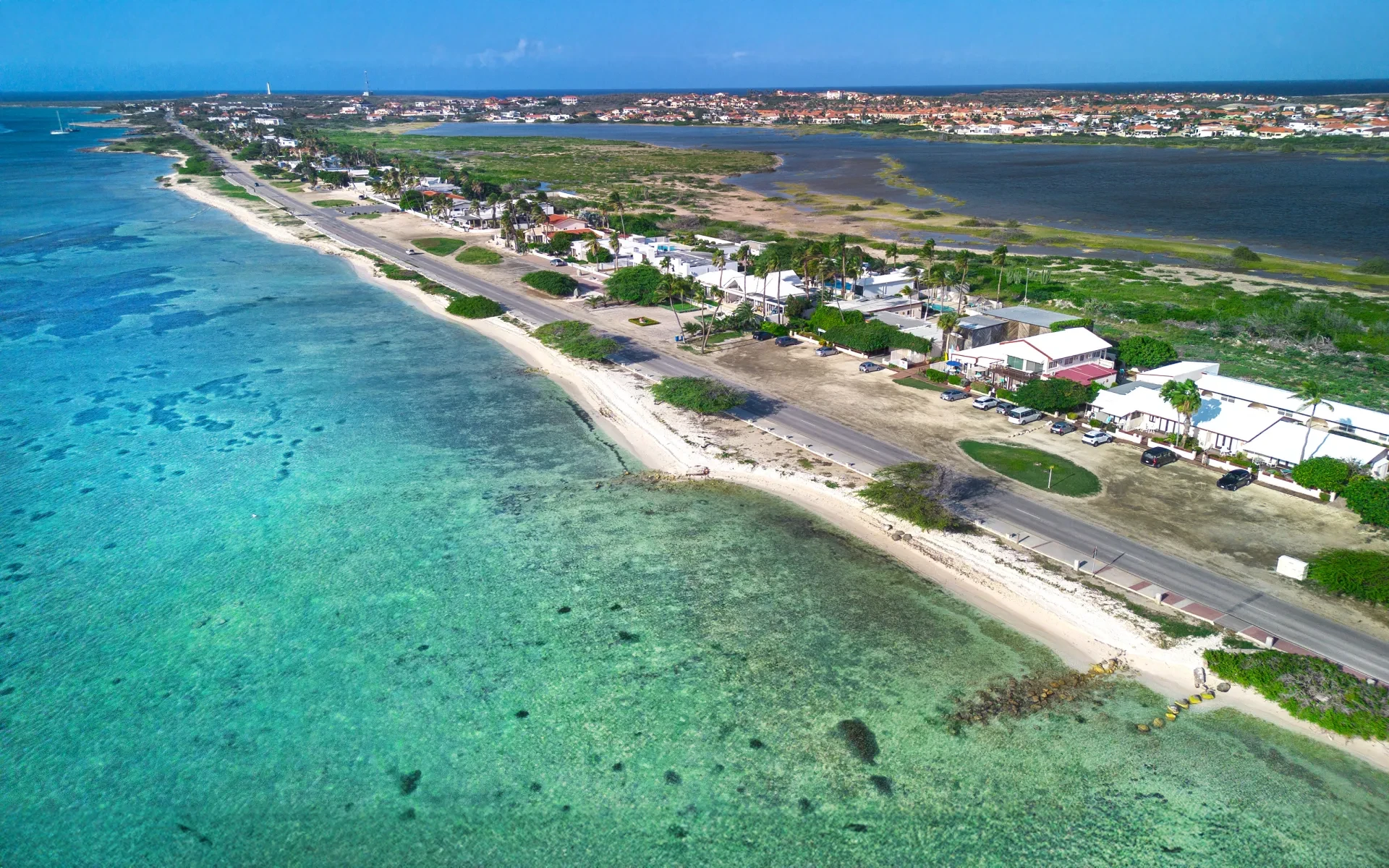
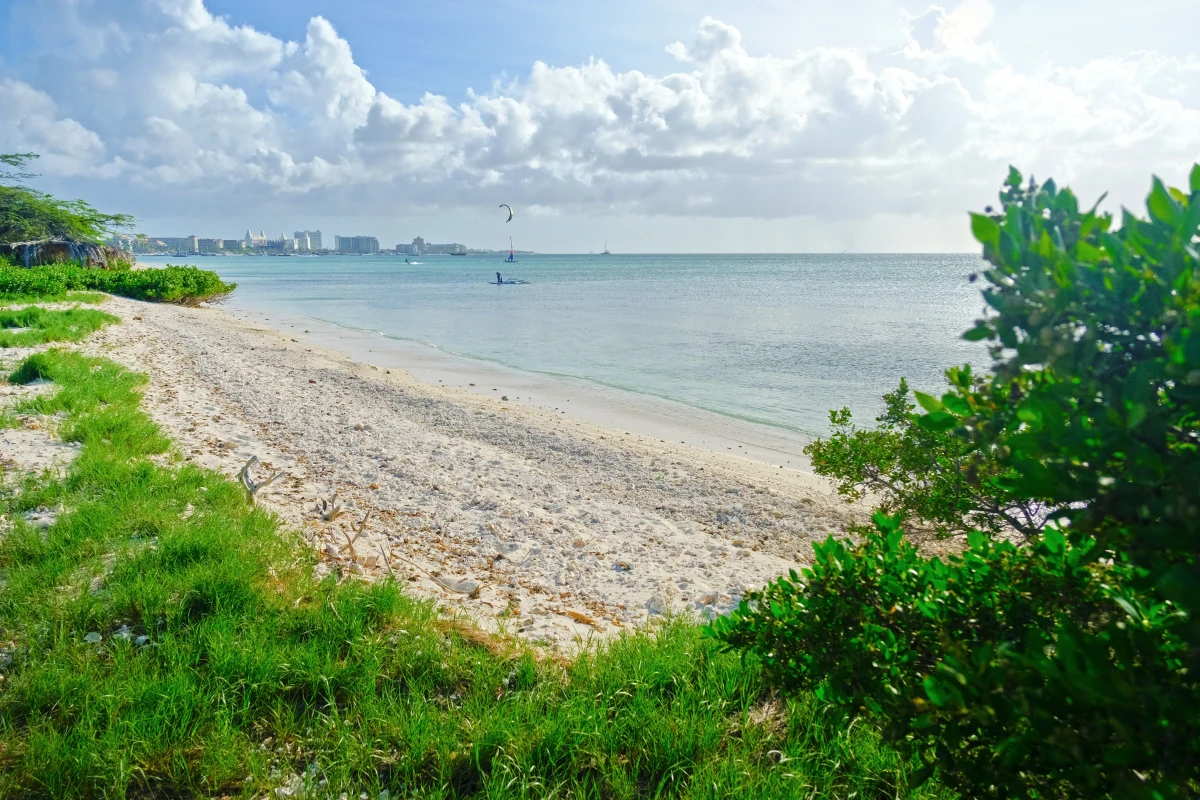
Ranchero Curason Beach
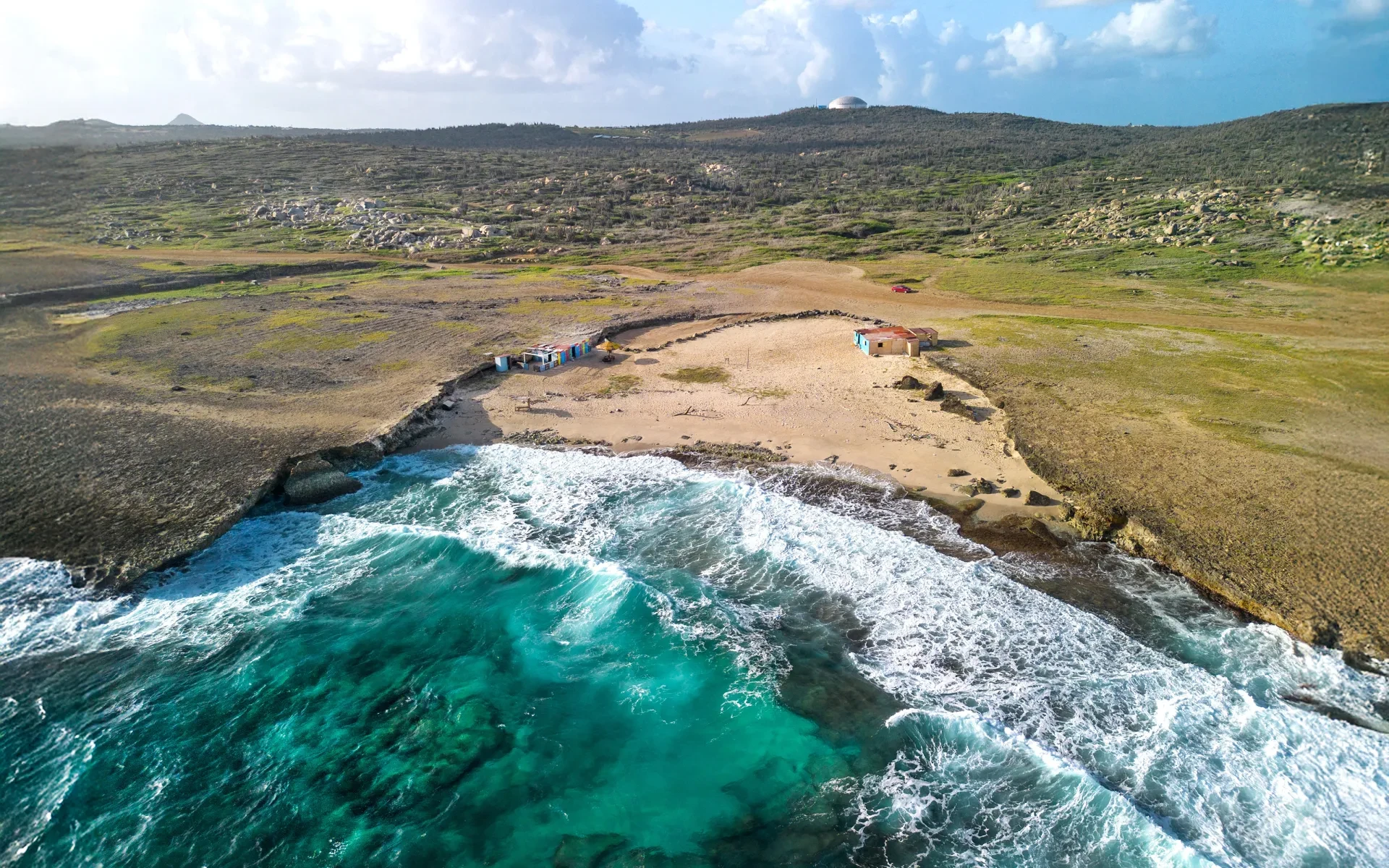
Ranchero Curason Beach is another one of Aruba’s insignificant northeast coast coves. It’s a bit wider than nearby Didi Beach, with an old abandoned shack and a single umbrella as the only signs of human presence. There’s no swimming, no snorkeling, and no real shade — just waves crashing into the rocks and sand that often collects debris.
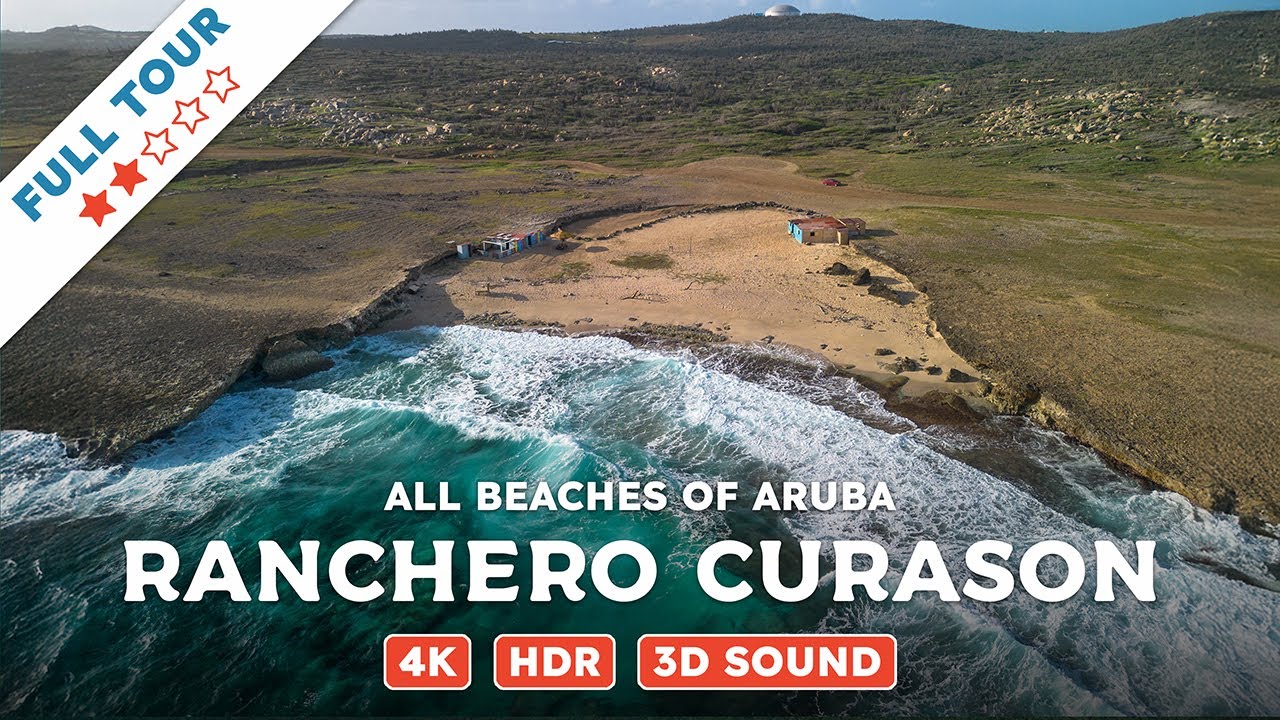
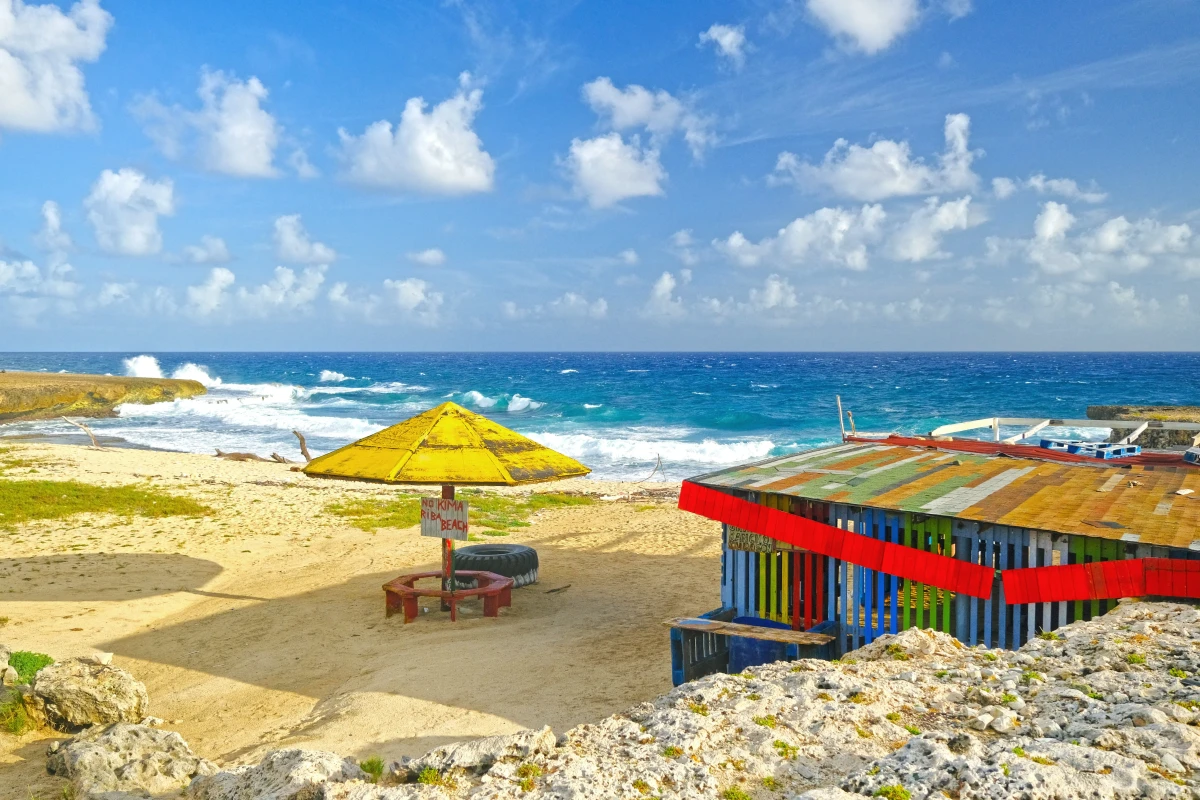
Red Fish Cove
Red Fish Cove is more of a natural curiosity than a real beach destination. With no facilities and a rugged setting, it’s not the kind of place most travelers will visit. Its charm lies in its size — a tiny sliver of sand where you can feel completely alone, surrounded by waves crashing outside the cove.
Renaissance Beach
Renaissance Beach is the small, man-made lagoon tucked beside Queen Wilhelmina Park in Oranjestad. Unlike the famous Renaissance Island with its flamingos, this beach belongs to the Renaissance Aruba Resort & Casino’s Ocean Suites and offers calm, rock-protected waters right in the city. It’s a handy spot to cool off, enjoy the harbor views, or unwind without leaving downtown.
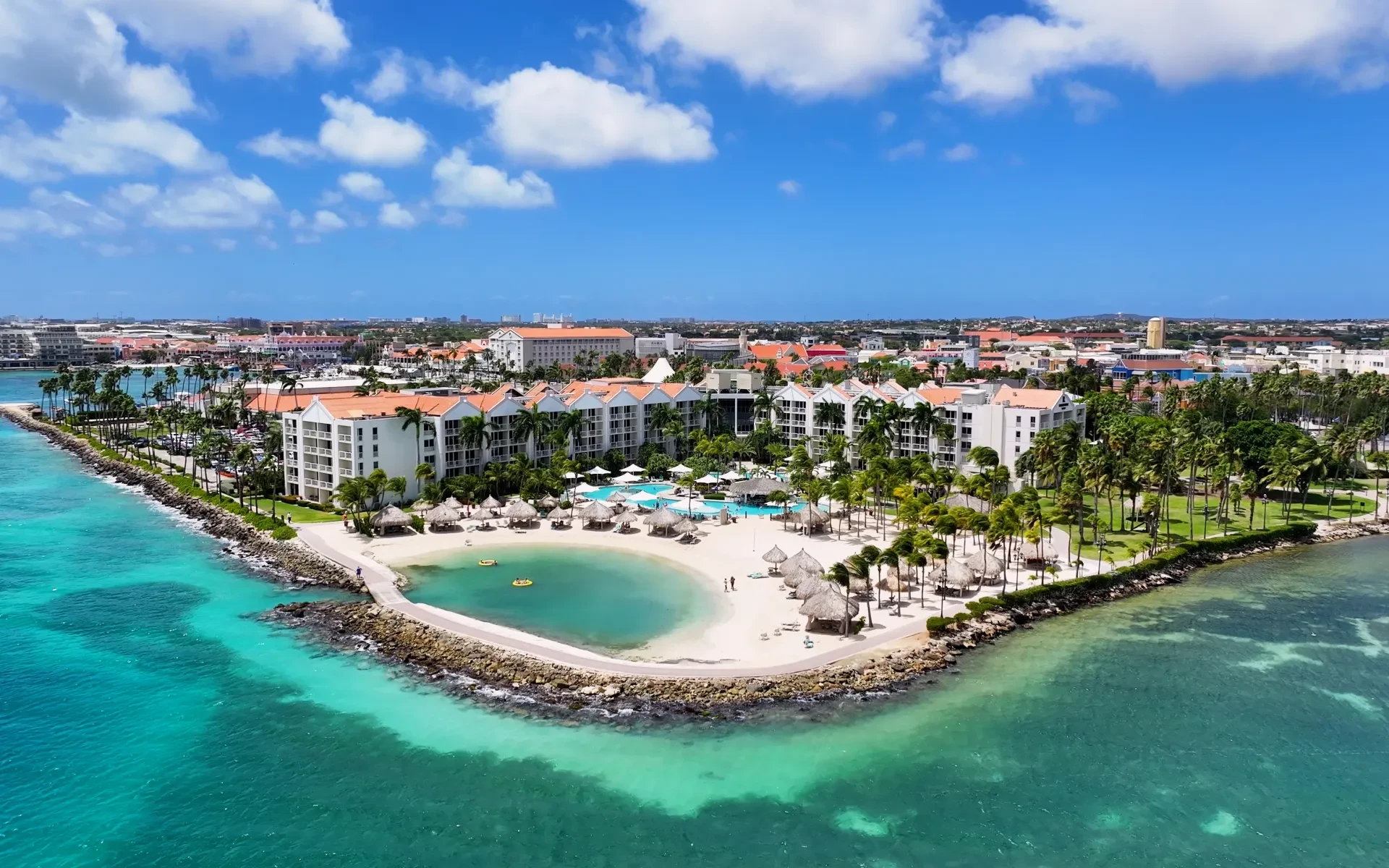
Rodger's Beach
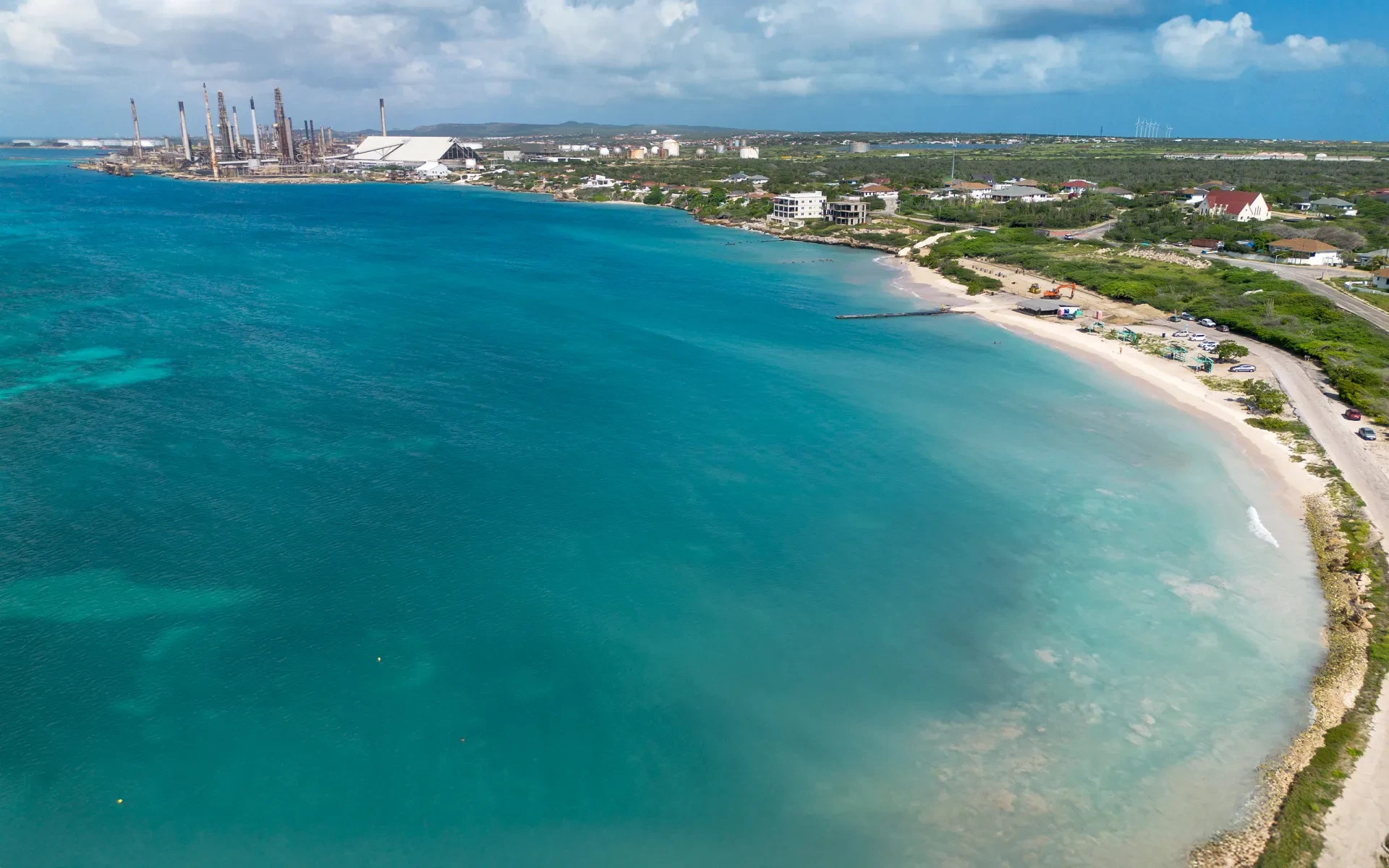
Rodger's Beach is a gem west of Baby Beach in San Nicolas, known for its powdery white sand, calm turquoise waters, and more authentic, local vibe with fishermen’s boat and softly lapping waves. While it’s not as developed or as busy as some of Aruba's main beaches, Rodgers Beach offers everything you need for a relaxed, memorable beach day.
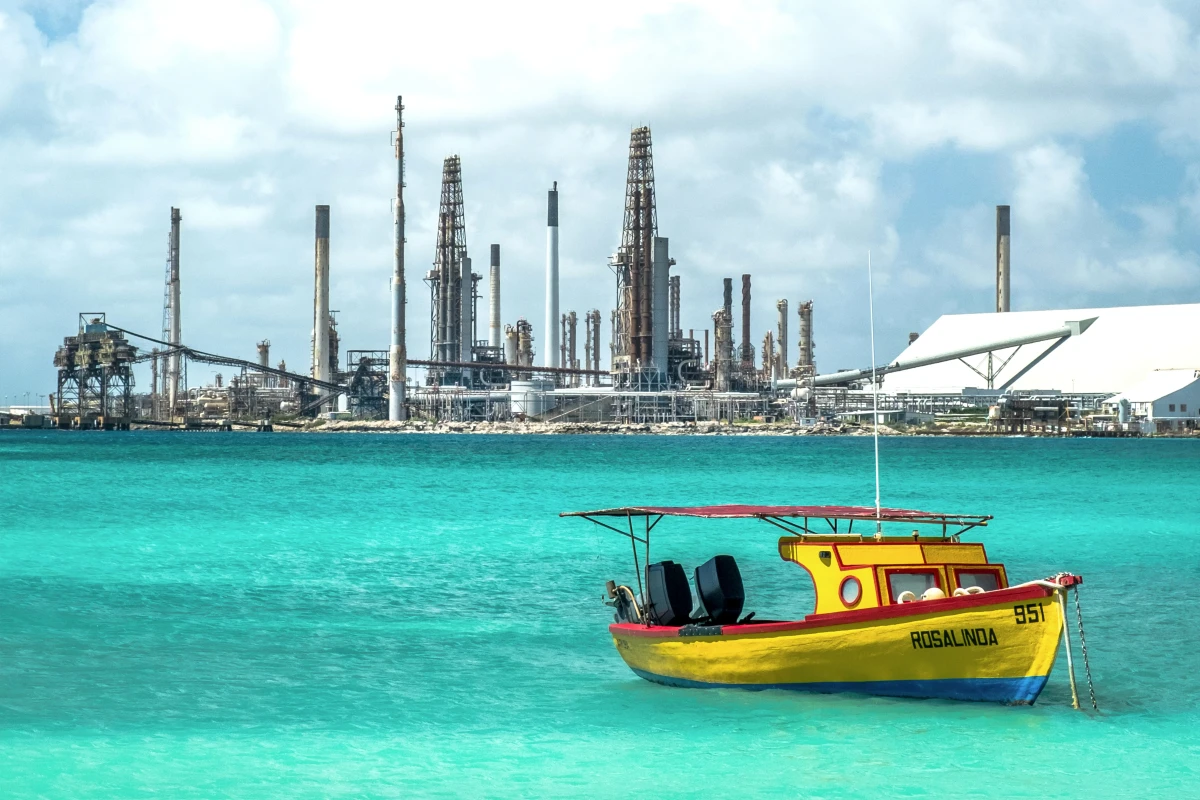
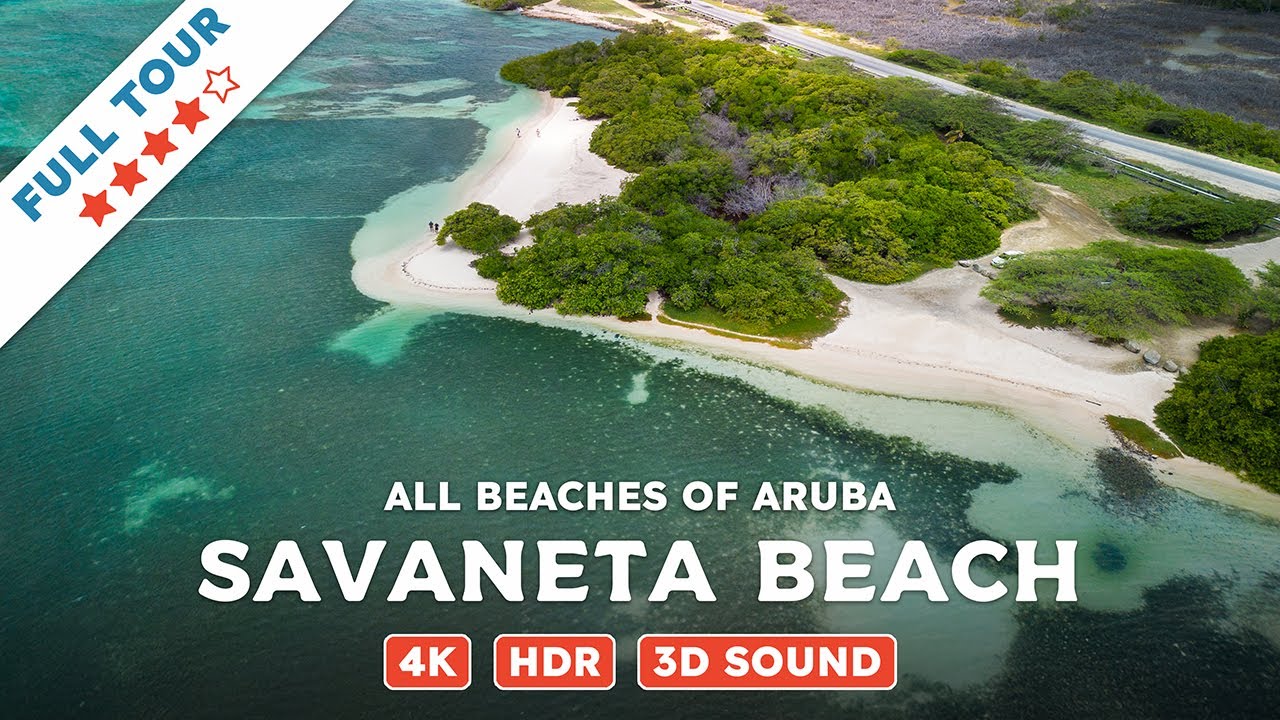
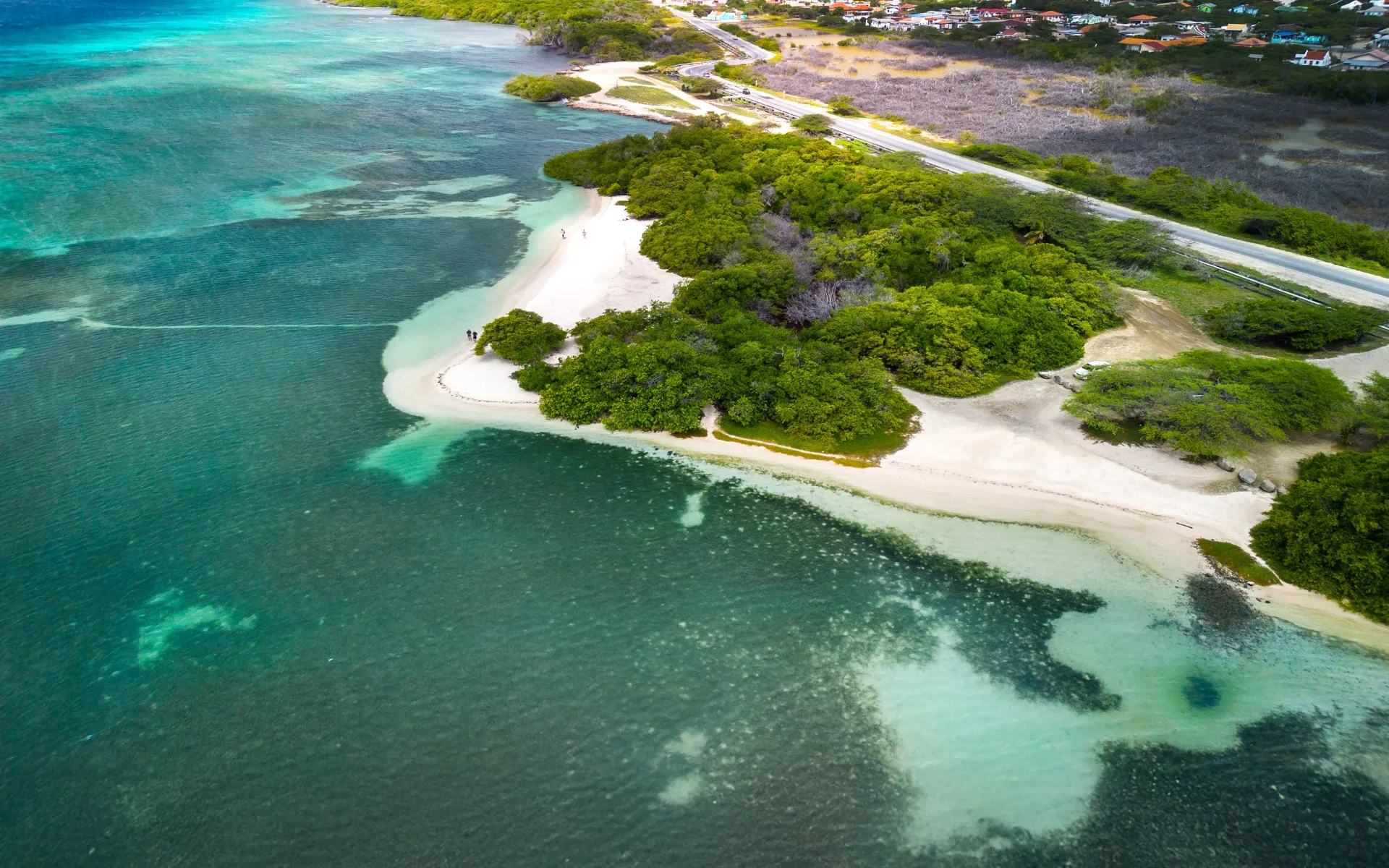
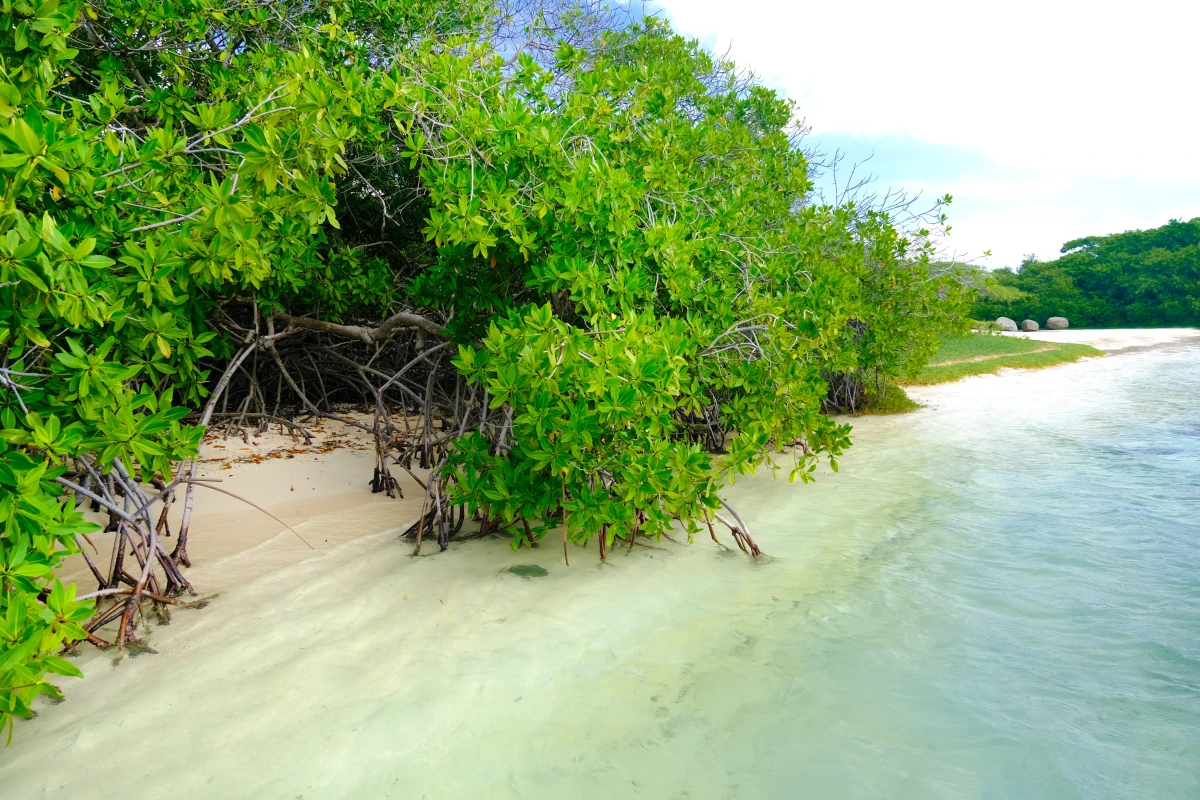
Savaneta Beach
Savaneta Beach in Aruba is a hidden gem tucked along the southern coast near Commandeurs Baai, offering a peaceful respite from the island’s busier shores. With calm, shallow waters and scenic views, it’s a great spot for relaxation and gentle exploration.
Shack Beach
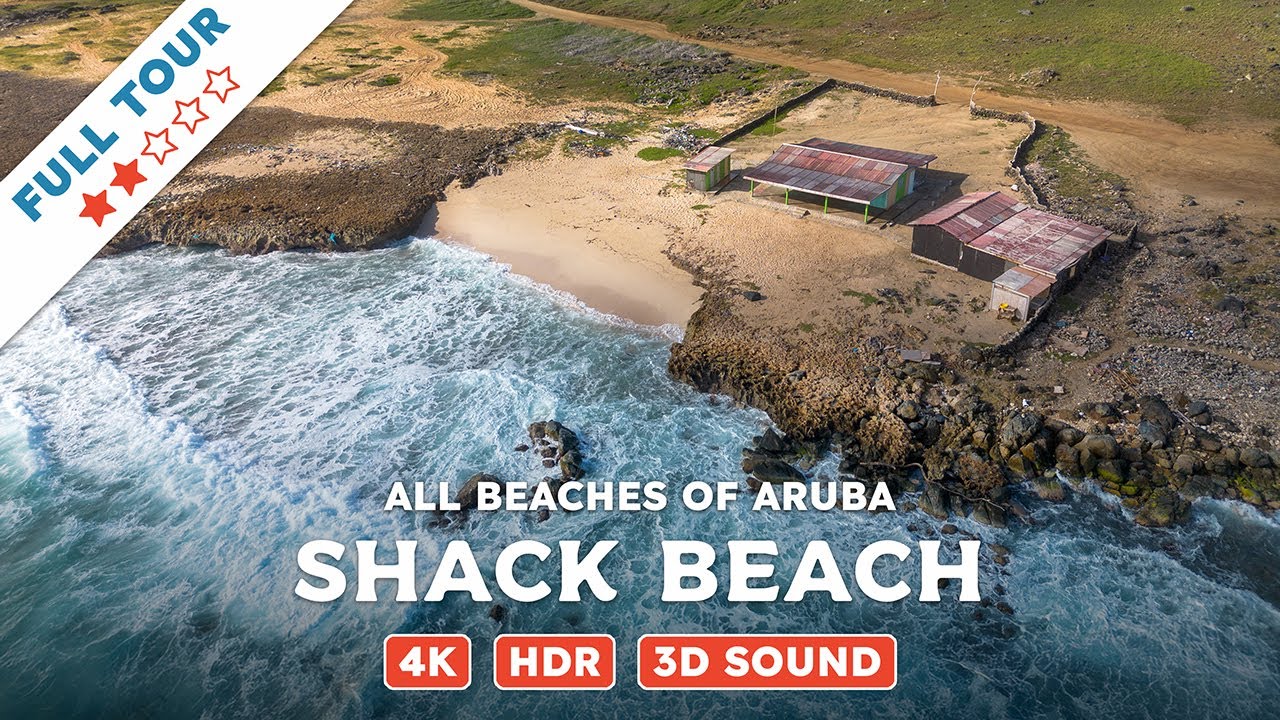
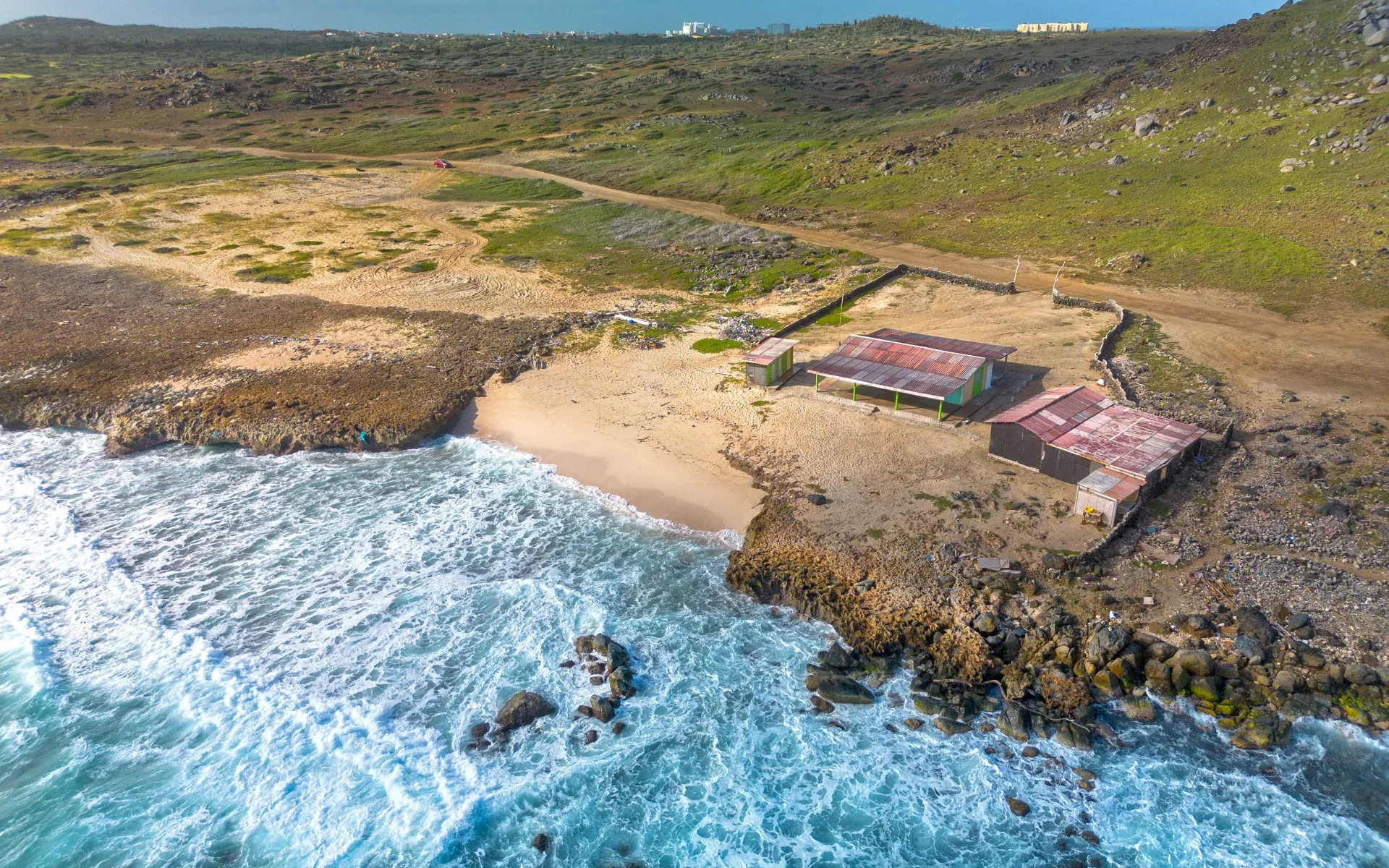
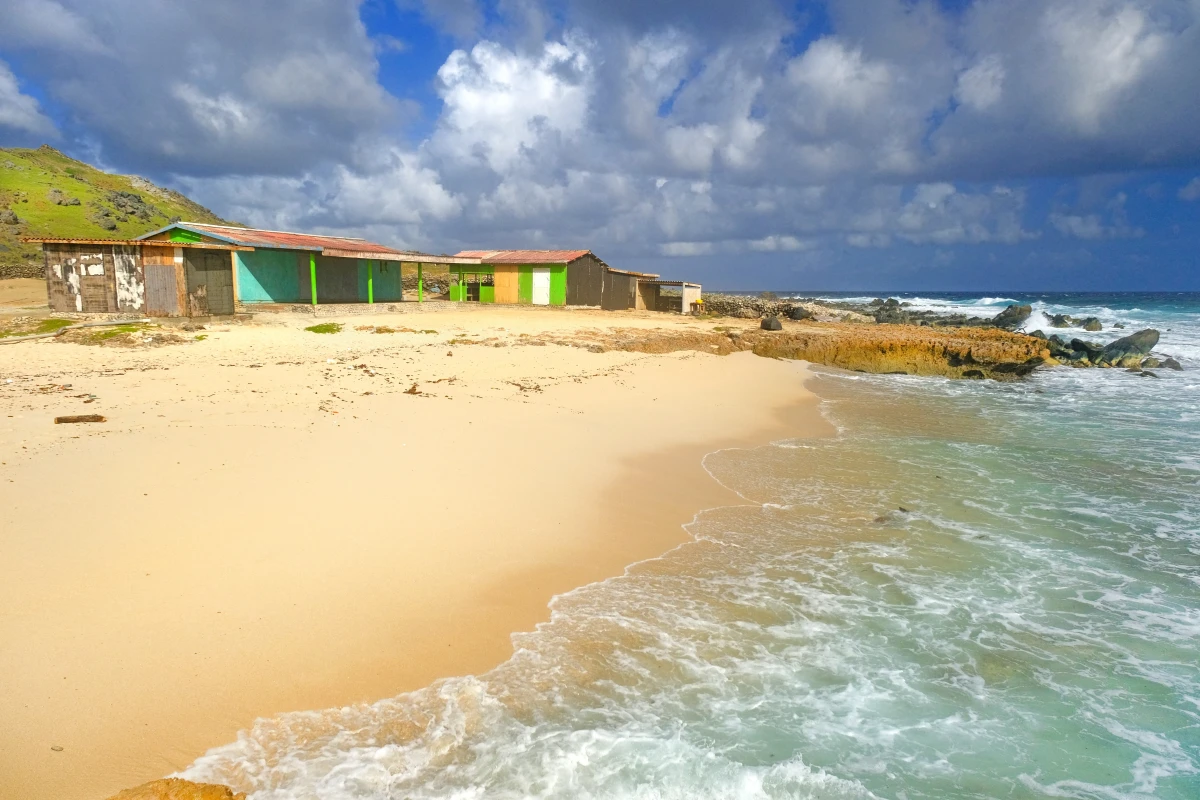
Aruba Shack Beach is one of those tiny, forgotten spots on Aruba’s northeast coast. The beach itself is little more than a sandy patch with an abandoned shack nearby. There’s no swimming, no snorkeling, and no facilities, just rough waves and a harsh, windy coastline.
Shark Bay Beach
Shark Bay Beach is a wide, rugged beach framed by cliffs and rough surf. It looks dramatic but isn’t a place for water activities or relaxing. The lack of facilities, shade, and calm water make it unsuitable for a beach day. Most visitors only pass by as part of a hike along the coast or during a trip to Andicuri and Natural Bridge.
Stone Fish Cove
Stone Fish Cove is one of the tiny coves hidden along the island’s northeast coast, tucked between Red Fish Cove and Hyro’s Cove. Unlike the others, this spot barely has any sand — it’s mostly boulders and rocks with rough waves pounding the shore. There’s no swimming, no snorkeling, and no facilities, but if you’re hiking or off-roading between the Natural Bridge and Andicuri, it makes for a quick curiosity stop.
Surfers Beach
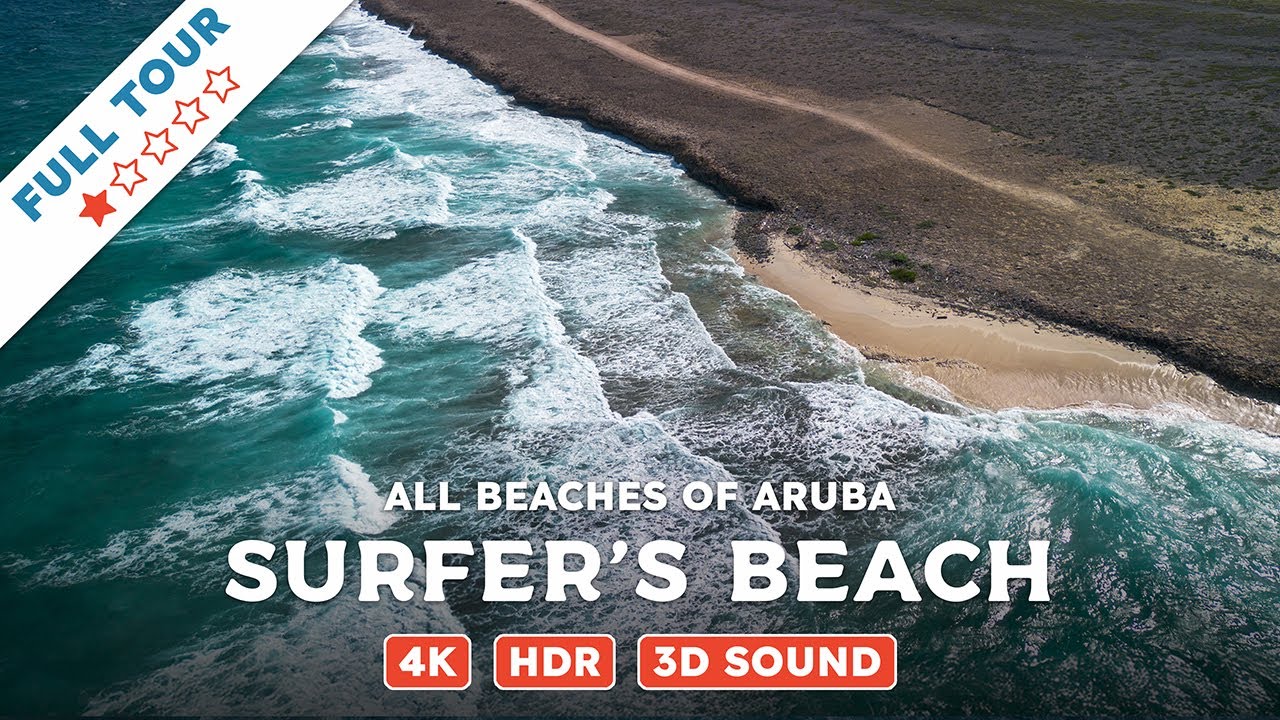
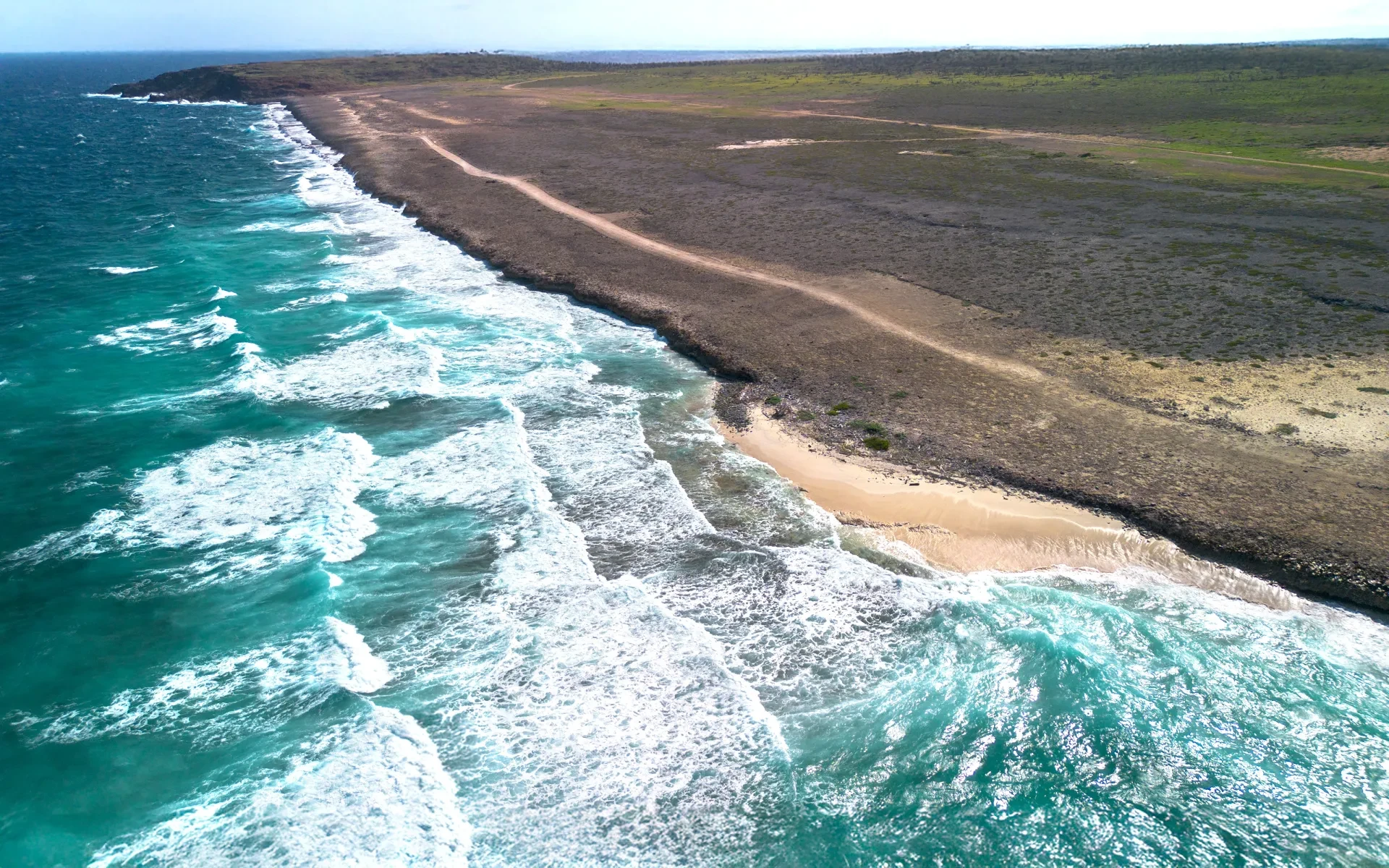
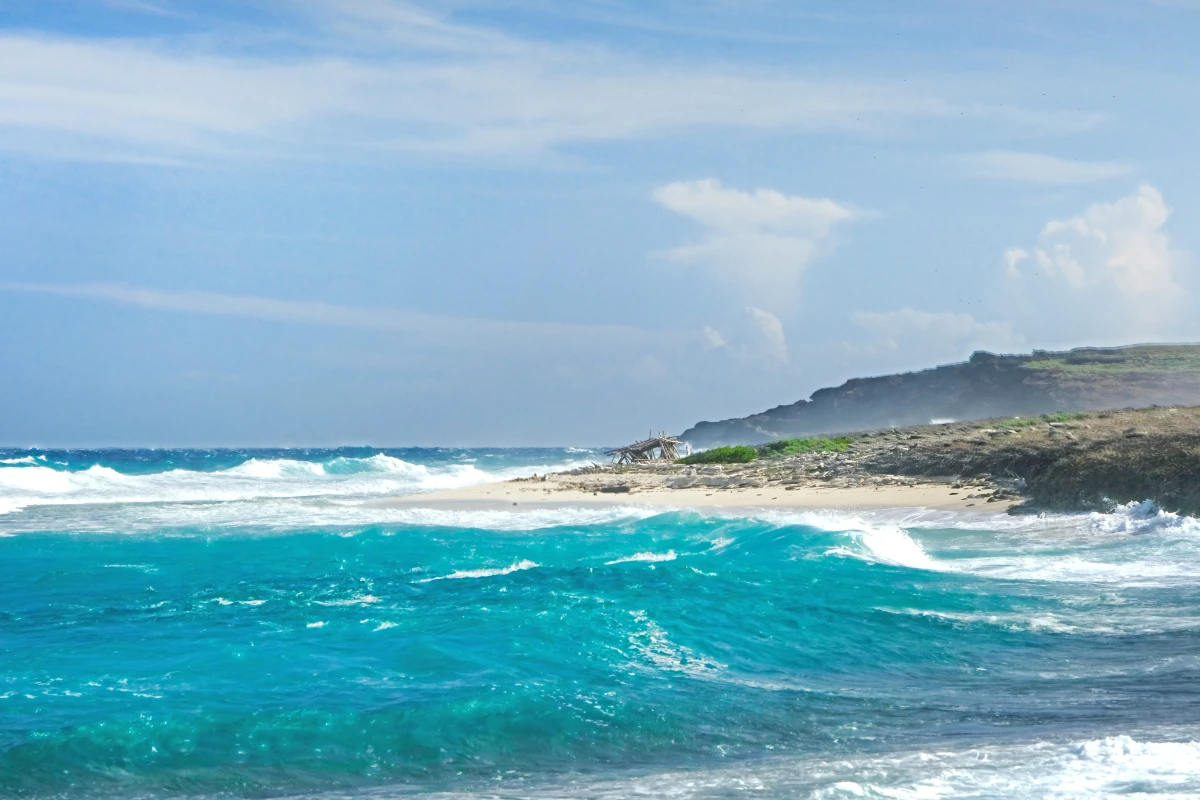
Surfers Beach, formerly known as Plastic Beach, is one of Aruba’s most desolate spots. South of Bachelor’s Beach, this small stretch of sand is rough, debris-strewn, and unsafe for swimming due to strong currents and big waves. There are no facilities or shade, but the dramatic coastal walk along the Seroe Colorado plateau makes it worth a stop if you enjoy wild landscapes.
Surfside Beach
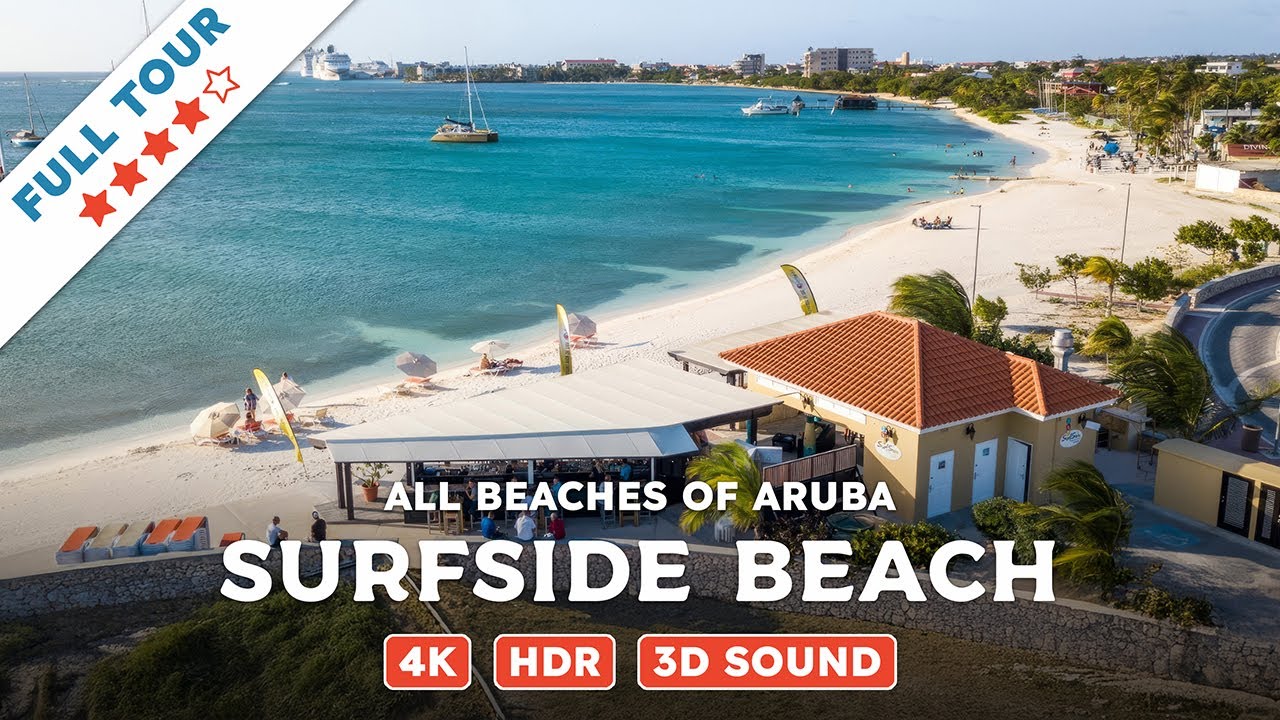
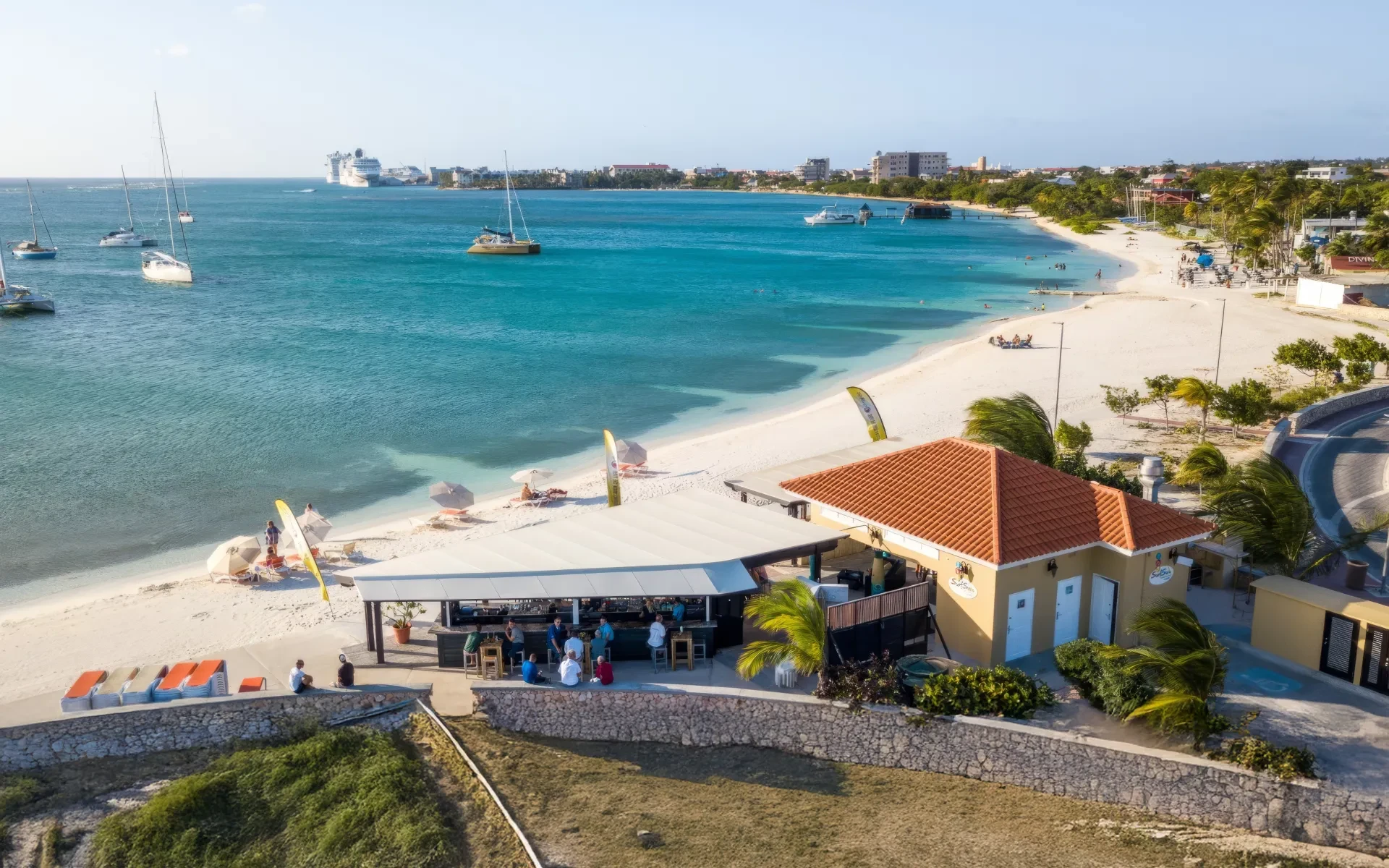
Surfside Beach is my go-to when I want an easy beach day close to town. Just a 15-minute walk from the cruise port, it’s a calm, shallow stretch with plenty of shade, beach bars, and even plane-spotting as jets glide in over the water. If you’re visiting with kids or on a tight schedule, Surfside is a stress-free win.
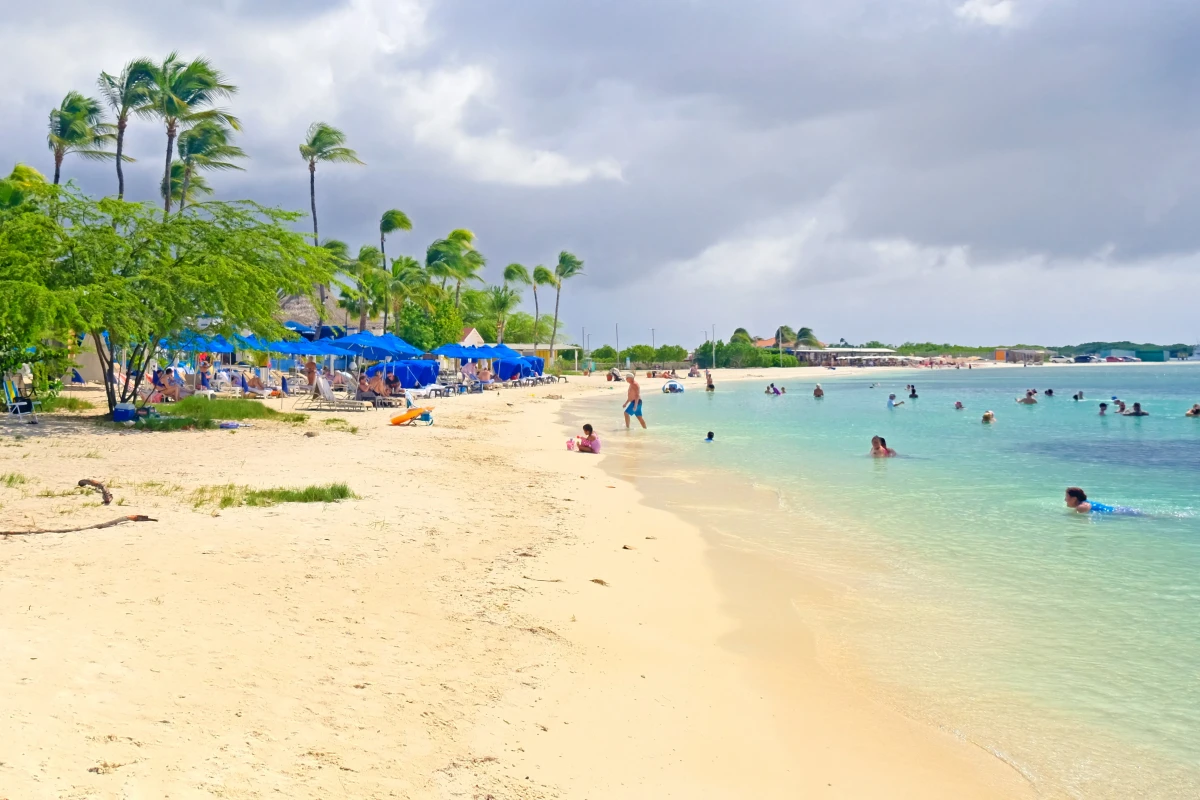
Tres Trapi Beach
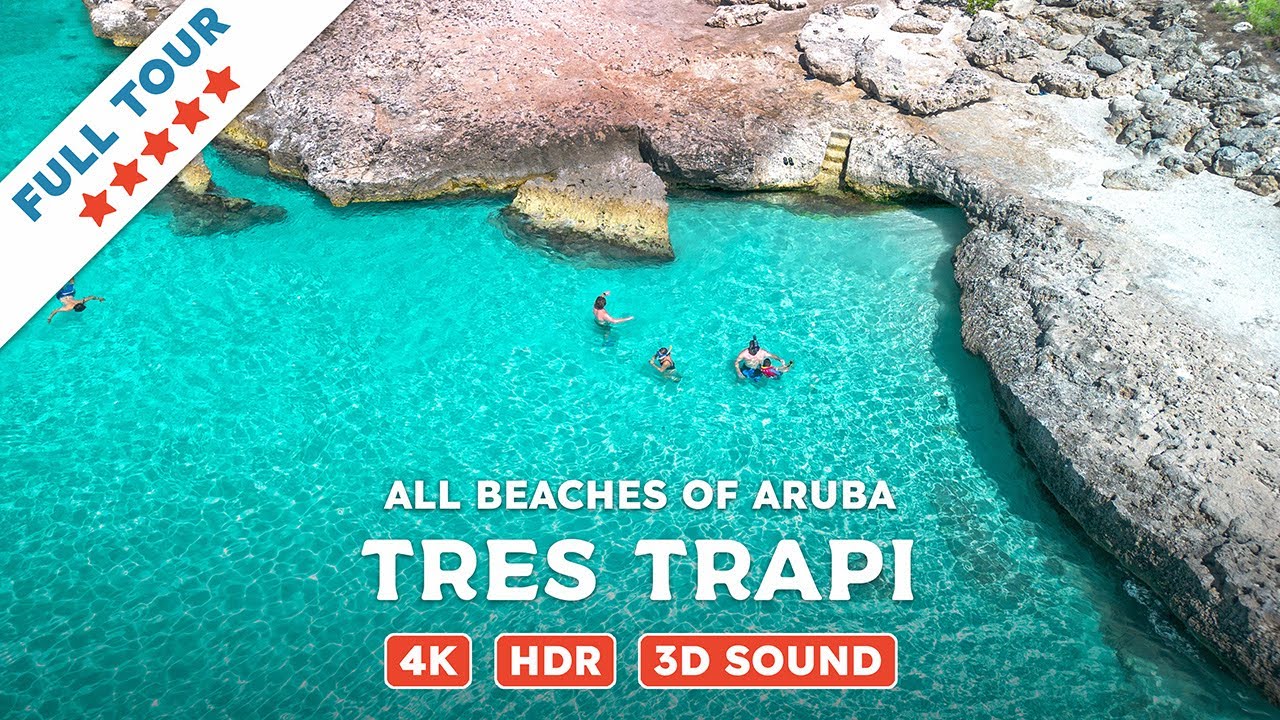
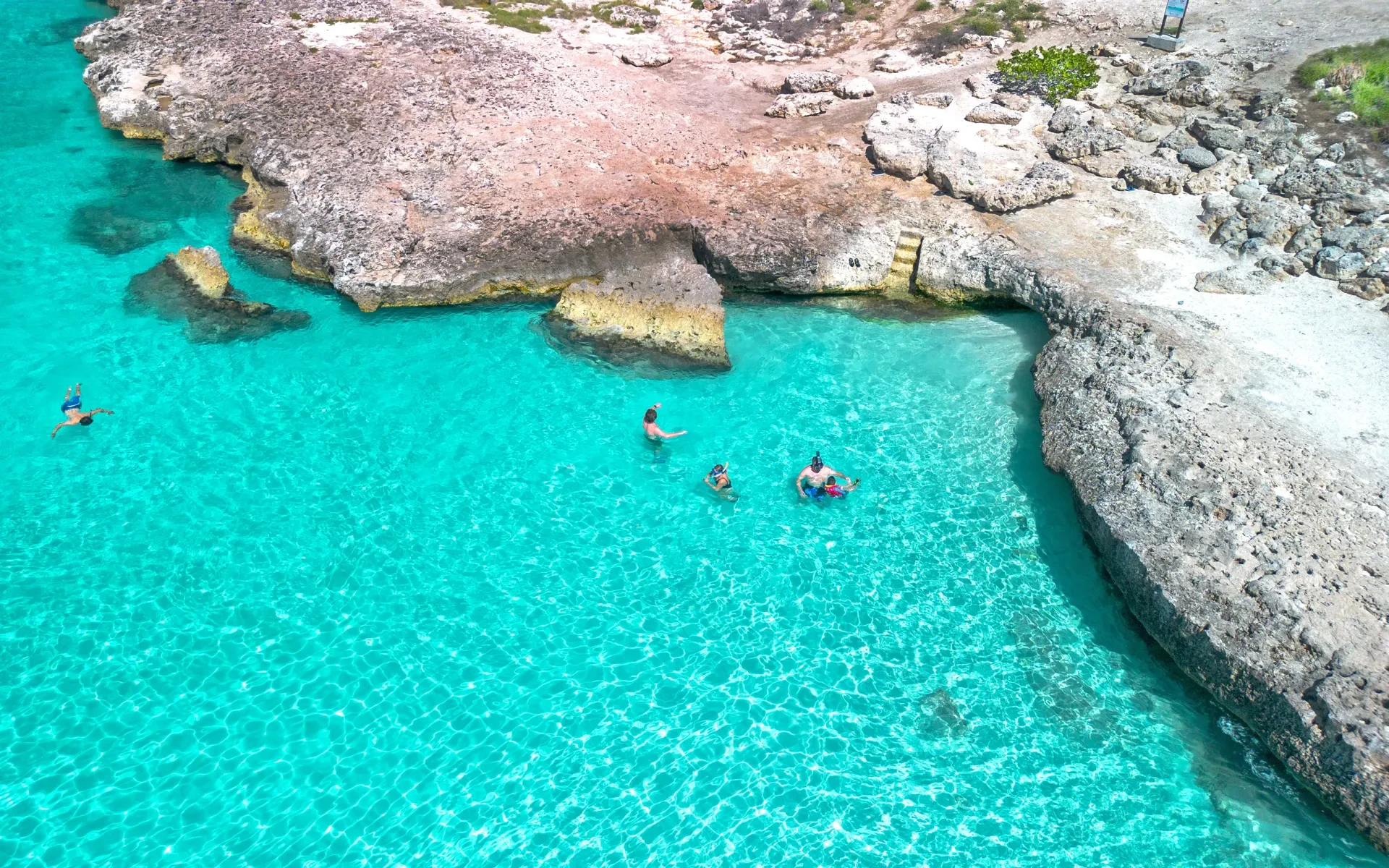
Tres Trapi Beach Aruba is a tiny limestone cove with ridiculously clear water and a knack for snorkeling with turtles. Set between Malmok and Boca Catalina, it’s an easy hop from Palm Beach and Oranjestad. Come early with your own shade and snorkel gear, slip down the rock steps, and fin to the buoy line. It’s a quick, unforgettable stop — especially if turtles are on your list.
Urirama Beach
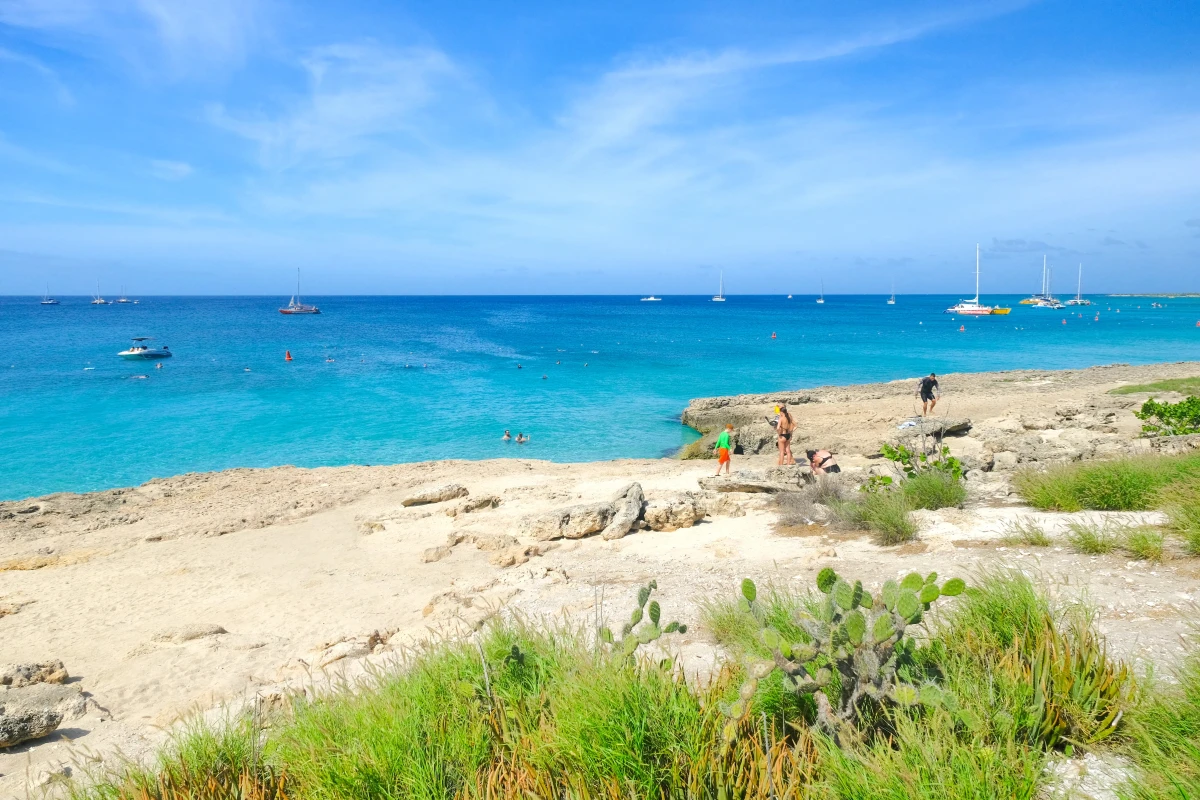
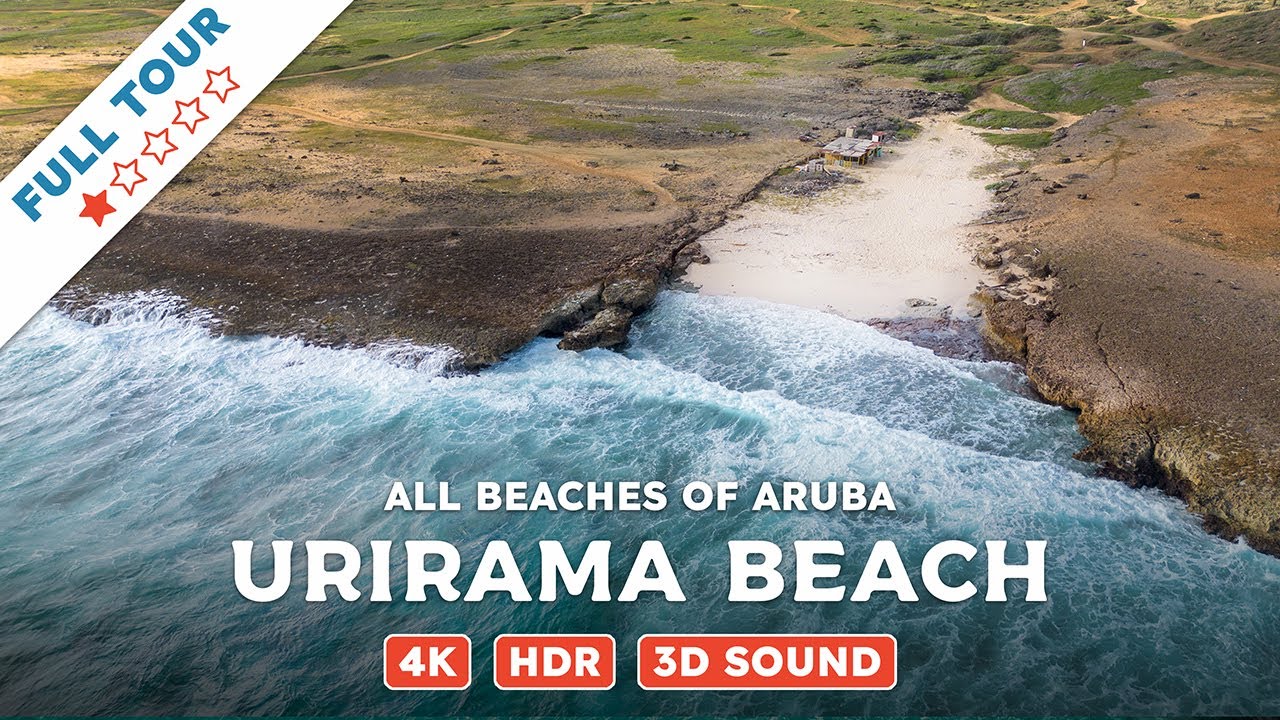
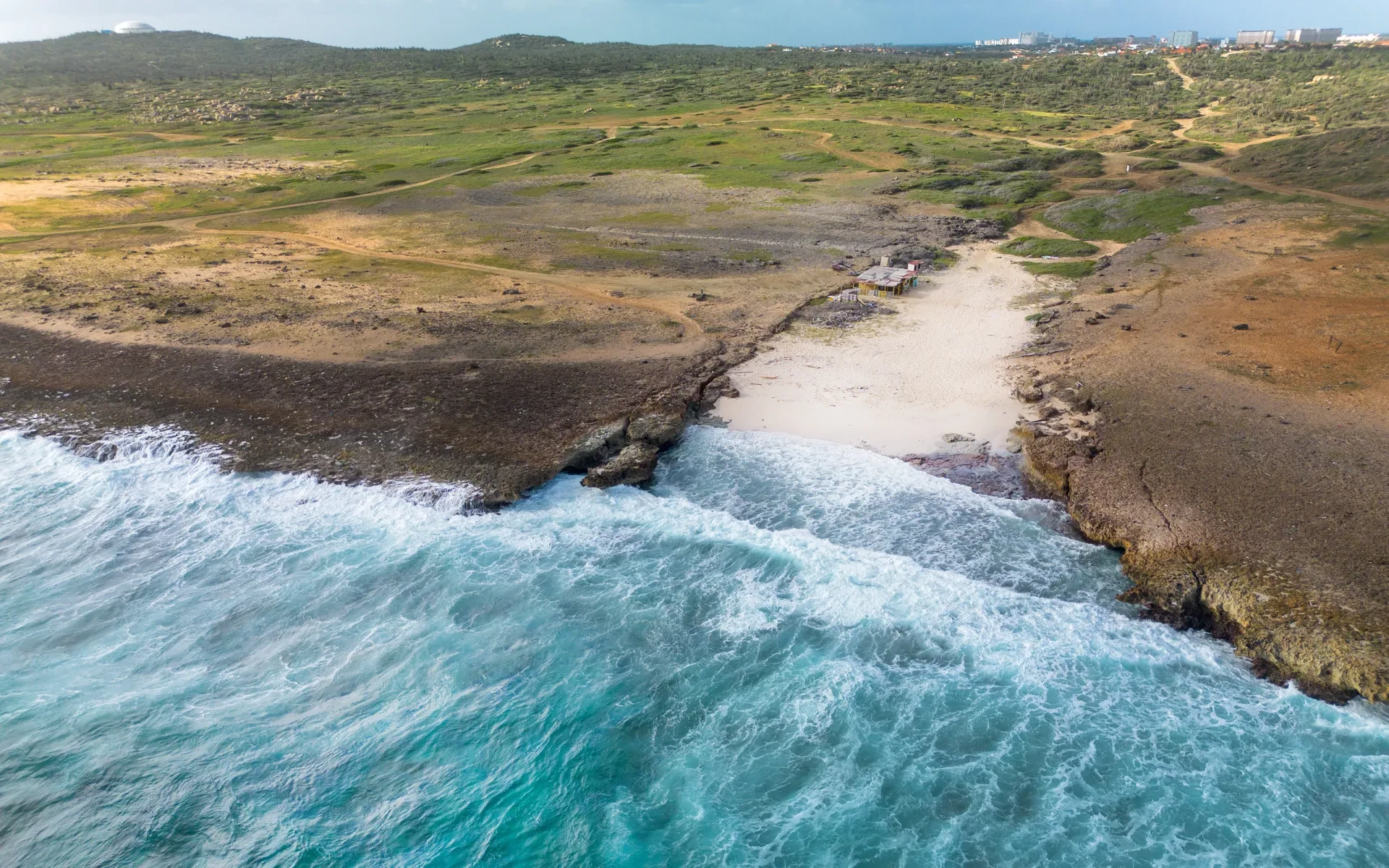
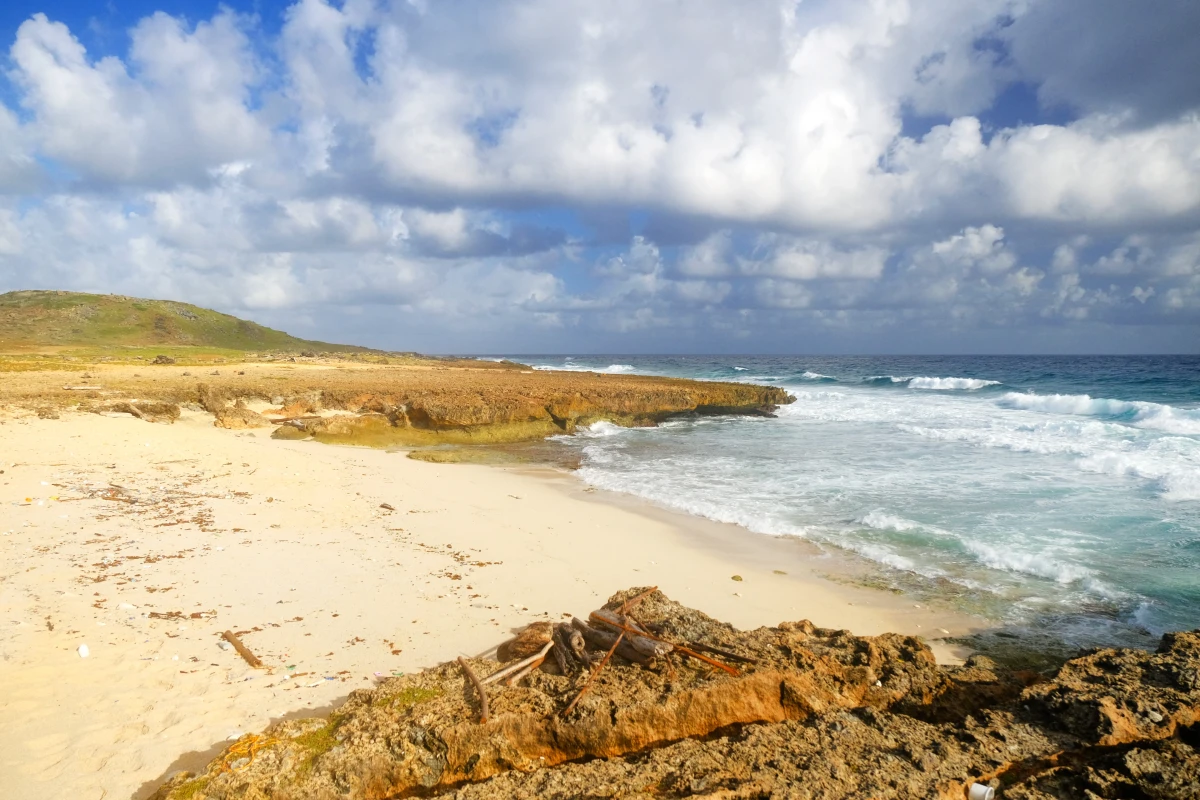
Urirama Beach is one of the most insignificant beaches on Aruba’s northeast coast. The area is isolated, with an abandoned shack and piles of garbage often washed ashore. There’s no swimming, no snorkeling, and no facilities — just rough waves and a desolate feel.
Wariruri Beach
Wariruri Beach Aruba, also called Wariruri Bay, is one of the more notable stops along the island’s northeast coast. Unlike the tiny rocky coves nearby, Wariruri is wider, framed by limestone cliffs, and features a small natural bridge carved by the waves. It’s not suitable for swimming or snorkeling, but many visitors stop here while off-roading or hiking the rugged coastline.
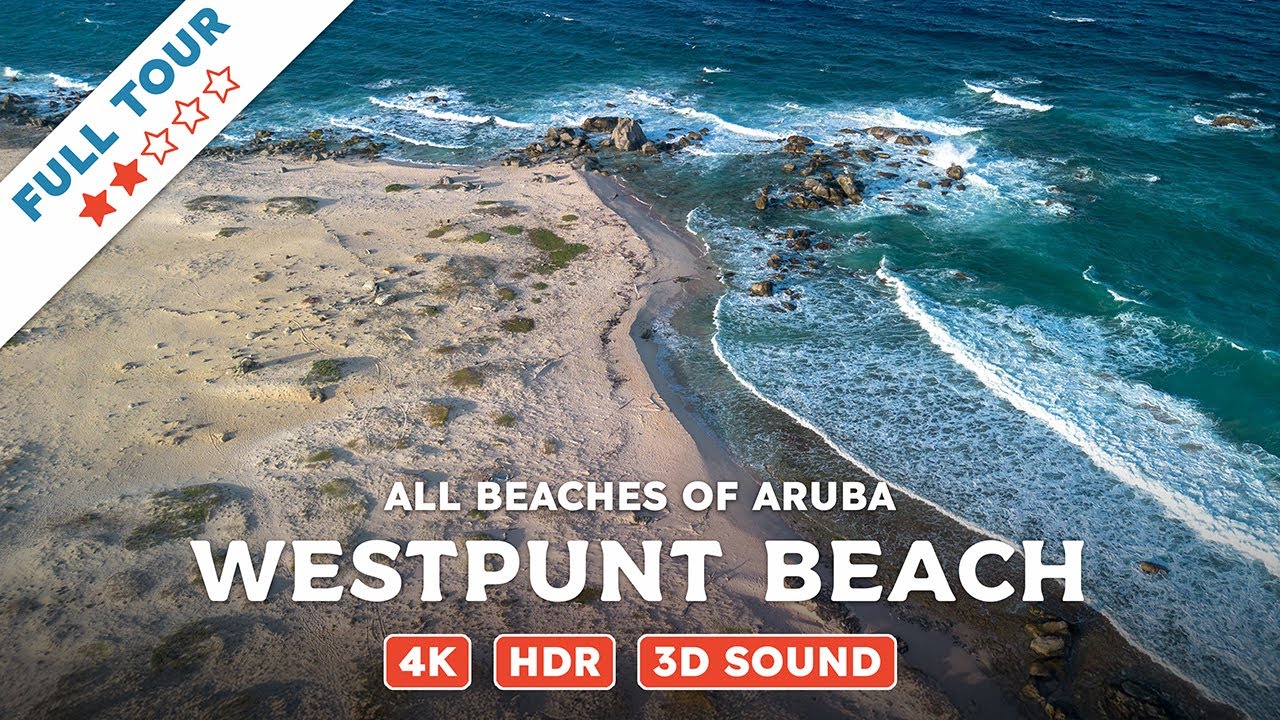
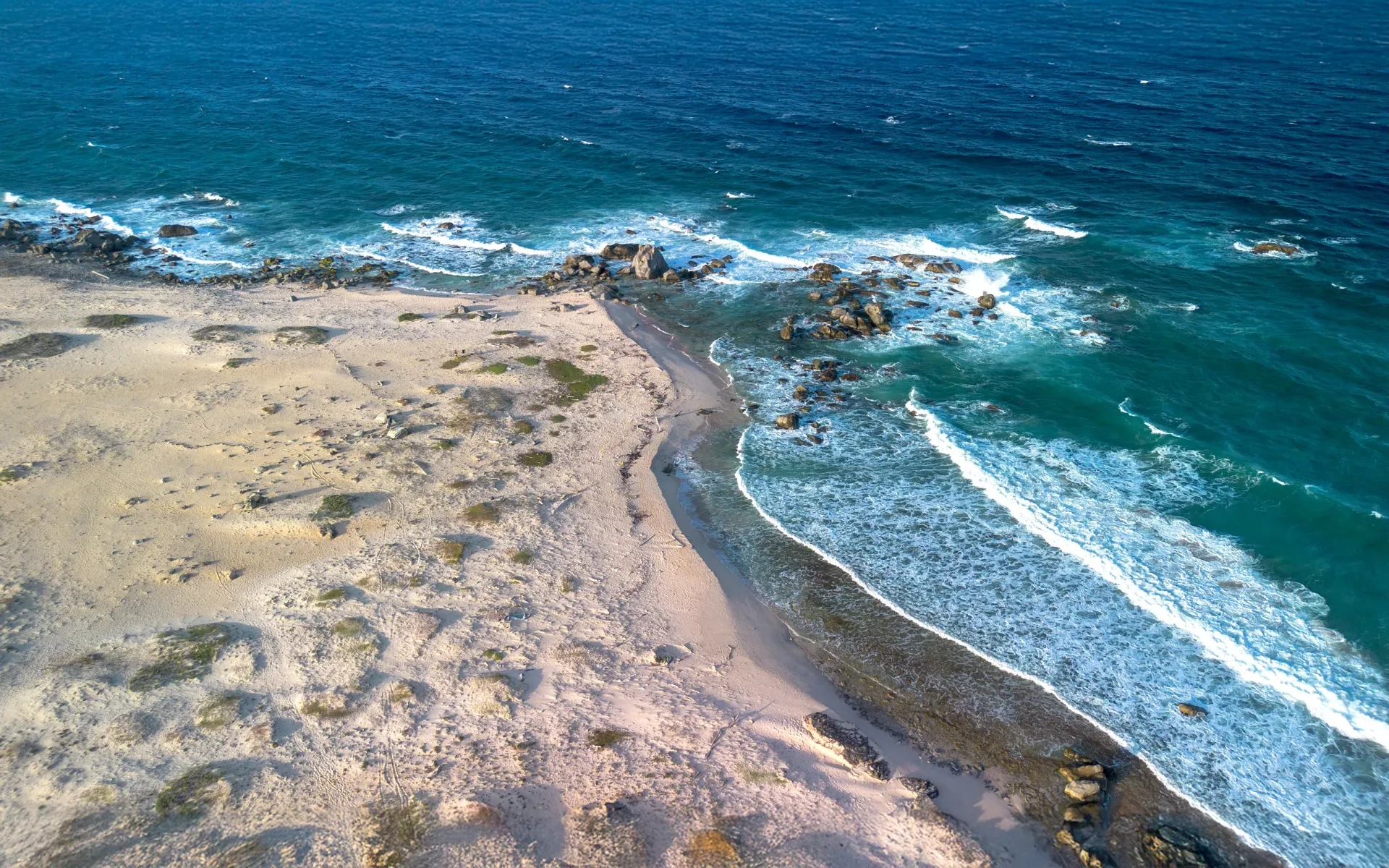
Westpunt Beach
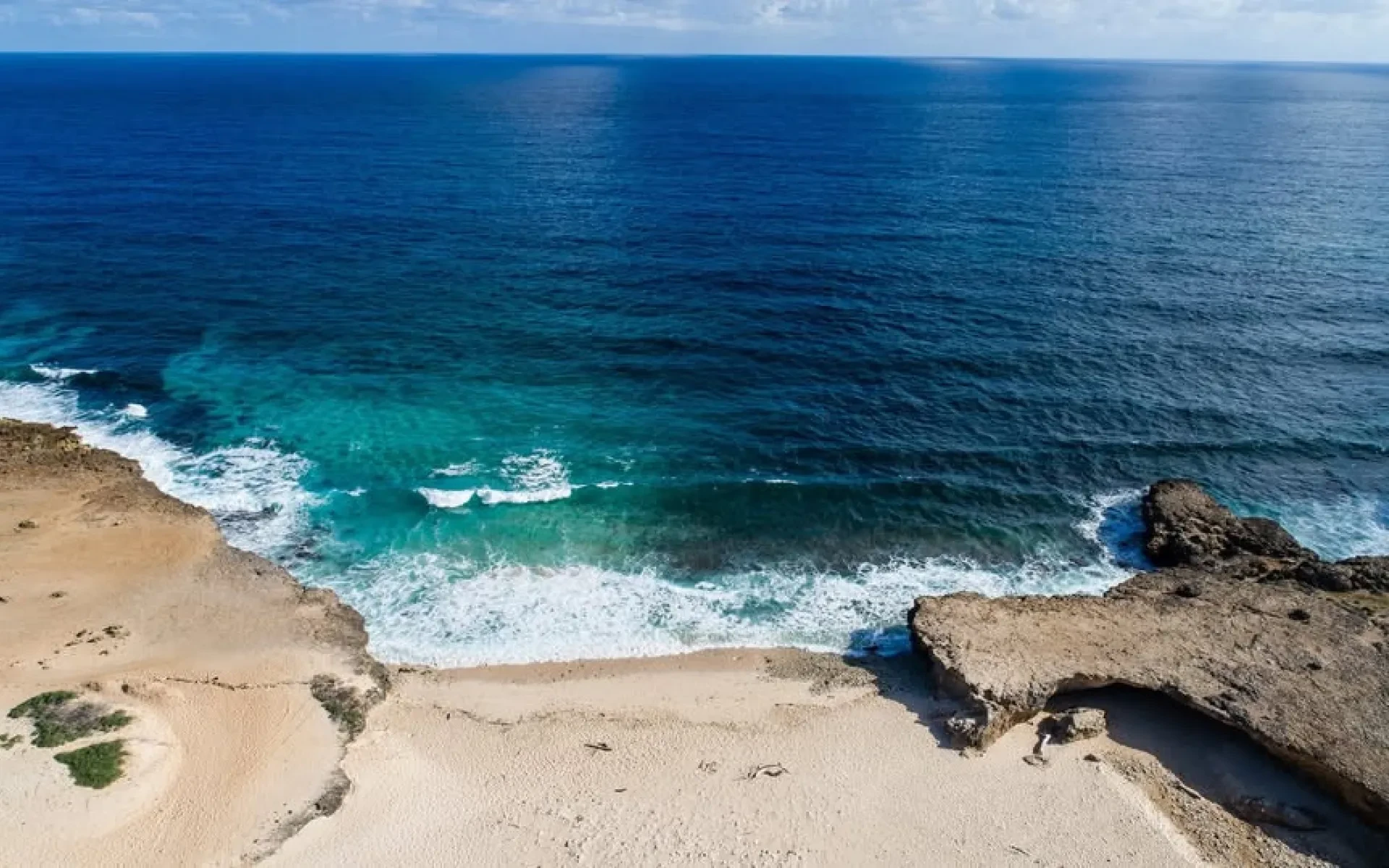
At Aruba’s far northern tip, Westpunt Beach shows the island’s wild side. Strong winds, crashing waves, and a rugged coastline make it very different from the calm resort beaches. It’s not great for swimming, but it’s perfect if you enjoy kitesurfing, hiking, or simply taking in dramatic ocean views.
Why Aruba is famous for its beaches
Aruba's beaches are among the island's biggest attractions. Thanks to its location outside the Caribbean hurricane belt, consistently warm temperatures, and crystal-clear turquoise waters, Aruba attracts beach lovers throughout the year.
What makes Aruba special is the diversity of its coastline. Visitors can spend one day relaxing on a calm white-sand beach and the next exploring dramatic rocky shores shaped by the Atlantic Ocean.
The island's beaches generally fall into three categories:
Resort beaches
These beaches offer amenities, restaurants, watersports, beach bars, and easy access.
Popular examples include:
- Eagle Beach
- Palm Beach
- Manchebo Beach
- Druif Beach
Family-friendly beaches
These beaches feature shallow water and gentle conditions.
Top choices include:
- Baby Beach
- Palm Beach
- Surfside Beach
- Mangel Halto
Adventure and snorkeling beaches
Ideal for marine life encounters and underwater exploration.
Popular snorkeling locations include:
- Arashi Beach
- Boca Catalina
- Mangel Halto
- Malmok Beach
Best beaches in Aruba
Eagle Beach
Often considered Aruba's most beautiful beach, Eagle Beach is famous for:
- Wide stretches of soft white sand
- Calm turquoise water
- Iconic fofoti trees
- Spectacular sunsets
- Sea turtle nesting areas
It is an excellent choice for couples, photographers, and travelers seeking a quieter atmosphere than nearby Palm Beach.
Palm Beach
Palm Beach is Aruba's tourism center and offers:
- Resorts and hotels directly on the sand
- Beach bars and restaurants
- Parasailing and jet ski rentals
- Shopping and nightlife nearby
- Calm swimming conditions
This is the best beach for visitors who want activities and amenities within walking distance.
Baby Beach
Located on Aruba's southeastern coast, Baby Beach features:
- A large shallow lagoon
- Crystal-clear water
- Excellent family swimming conditions
- Easy snorkeling opportunities
- Calm protected waters
It is widely regarded as the best beach for young children.
Arashi Beach
Arashi Beach combines beautiful scenery with excellent snorkeling.
Visitors enjoy:
- Colorful tropical fish
- Calm water
- White sand
- Sunset views
- Easy access from Palm Beach
Hidden gem beaches in Aruba
Many visitors never venture beyond Palm Beach and Eagle Beach, but Aruba has several lesser-known coastal treasures.
Mangel Halto
Known for:
- Mangrove-lined shoreline
- Exceptional snorkeling
- Local atmosphere
- Calm water conditions
Boca Catalina
A small beach famous for:
- Clear visibility
- Coral formations
- Snorkeling
- Sea turtles and tropical fish
Rodgers Beach
A quiet alternative near Baby Beach featuring:
- Soft sand
- Minimal crowds
- Excellent swimming
- Peaceful atmosphere
Boca Prins
Located within Arikok National Park, Boca Prins offers:
- Dramatic sand dunes
- Natural scenery
- Photography opportunities
- Rugged coastal landscapes
Best Aruba beaches by activity
Best beaches for swimming
- Baby Beach
- Palm Beach
- Eagle Beach
- Surfside Beach
- Rodgers Beach
Best beaches for snorkeling
- Arashi Beach
- Boca Catalina
- Mangel Halto
- Malmok Beach
- Baby Beach
Best beaches for families
- Baby Beach
- Palm Beach
- Surfside Beach
- Eagle Beach
- Mangel Halto
Best beaches for sunsets
- Eagle Beach
- Arashi Beach
- Palm Beach
- Manchebo Beach
- Druif Beach
Best beaches for photography
- Eagle Beach
- Boca Prins
- Dos Playa
- Arashi Beach
- Black Stone Beach
Aruba's beach regions
West coast beaches
The west coast contains Aruba's most famous beaches and resorts.
Highlights include:
- Palm Beach
- Eagle Beach
- Manchebo Beach
- Druif Beach
Characteristics:
- Calm water
- White sand
- Resorts nearby
- Sunset views
South coast beaches
The southern coastline features protected bays and family-friendly swimming.
Popular locations:
- Baby Beach
- Rodgers Beach
- Mangel Halto
Characteristics:
- Shallow water
- Snorkeling
- Local atmosphere
- Family-friendly conditions
North coast beaches
The northern coast is dramatically different.
Popular locations:
- Boca Prins
- Dos Playa
- Andicuri Beach
Characteristics:
- Strong waves
- Rugged scenery
- Natural landscapes
- Limited swimming opportunities
When to visit Aruba beaches
Aruba offers beach weather year-round.
Best months
- January to April: Peak season with ideal weather
- May to August: Fewer crowds and excellent beach conditions
- September to December: Warm temperatures and good travel deals
Water temperature
Average ocean temperatures remain comfortable throughout the year, generally ranging between 78°F and 84°F (26°C–29°C).
Beach conditions
Most beaches experience:
- Warm temperatures
- Low rainfall
- Consistent trade winds
- Excellent visibility for snorkeling
Beach safety tips
Sun protection
Aruba's sun is extremely strong throughout the year.
Remember to:
- Apply reef-safe sunscreen
- Wear sunglasses
- Stay hydrated
- Seek shade during midday
Swimming safety
- Swim at beaches with calm conditions.
- Observe warning flags and posted signs.
- Avoid entering rough water on the north coast.
- Use caution around rocky shoreline areas.
Marine life
Visitors may encounter:
- Tropical fish
- Sea turtles
- Stingrays
- Starfish
Always observe wildlife respectfully and avoid touching marine animals.
How to choose the right Aruba beach
Choose your beach based on your travel style:
| If you want... | Visit... |
|---|---|
| The most beautiful beach | Eagle Beach |
| Resorts and nightlife | Palm Beach |
| Family-friendly swimming | Baby Beach |
| Best snorkeling | Arashi Beach |
| Hidden local atmosphere | Mangel Halto |
| Dramatic scenery | Boca Prins |
| Fewer crowds | Rodgers Beach |
| Water sports | Palm Beach |
Frequently asked questions
Eagle Beach is often considered Aruba's best beach thanks to its wide white sand shoreline, turquoise water, iconic fofoti trees, and consistently high international rankings.
Palm Beach is Aruba's most visited beach because it is home to many resorts, restaurants, water sports operators, and nightlife venues.
Arashi Beach, Boca Catalina, and Mangel Halto are among the island's top snorkeling destinations.
Yes. Most beaches in Aruba are public and free to access.
Rodgers Beach, Mangel Halto, and parts of Manchebo Beach typically offer a more peaceful experience than Palm Beach.

Creating this travel magazine takes an insane amount of time and money. If you’ve found it useful and would like to support me in helping other travelers like you, your donation would go a long way. Thanks, you’re the best!

Must read
6 Safe Caribbean Destinations Outside of the Hurricane Belt
Most Luxurious Caribbean Resorts: Hotel For $32,537/Night?!
10+1 Caribbean Hidden Gems: Magical Places You Won't Believe

5 CRAZY Caribbean Airports & Flights: You Will Rather Walk
13+1 Beach Dangers & Hazards: Be Extra Careful With Nr. 8!
Caribbean Shark Attacks: Incidents & Beaches To Avoid In 2026
Useful links
Do you have any question?
Best excursions in Aruba
See all excursions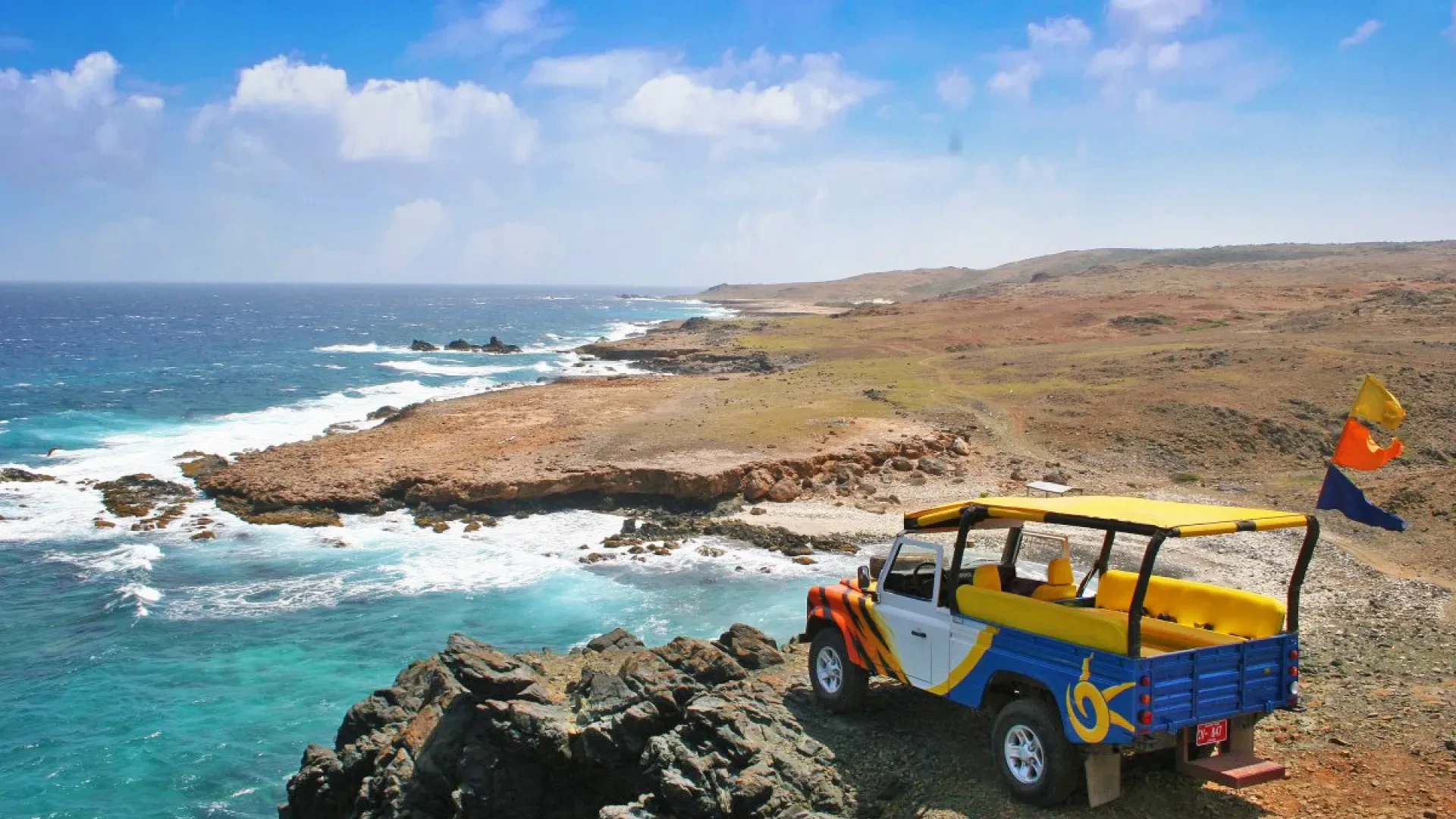
Ultimate Island Safari in Aruba by Jeep
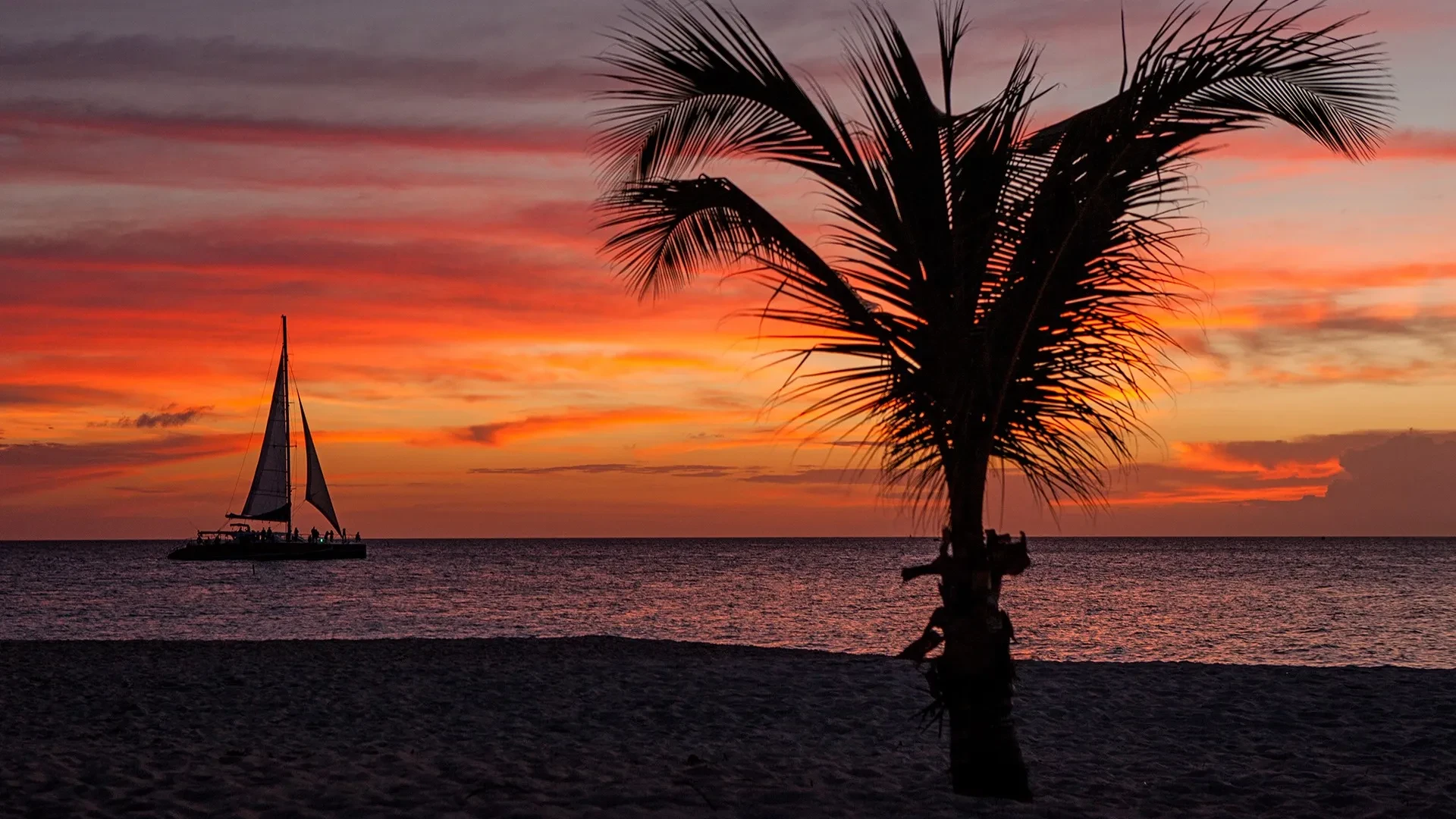
Catamaran Happy Hour Sunset Sail
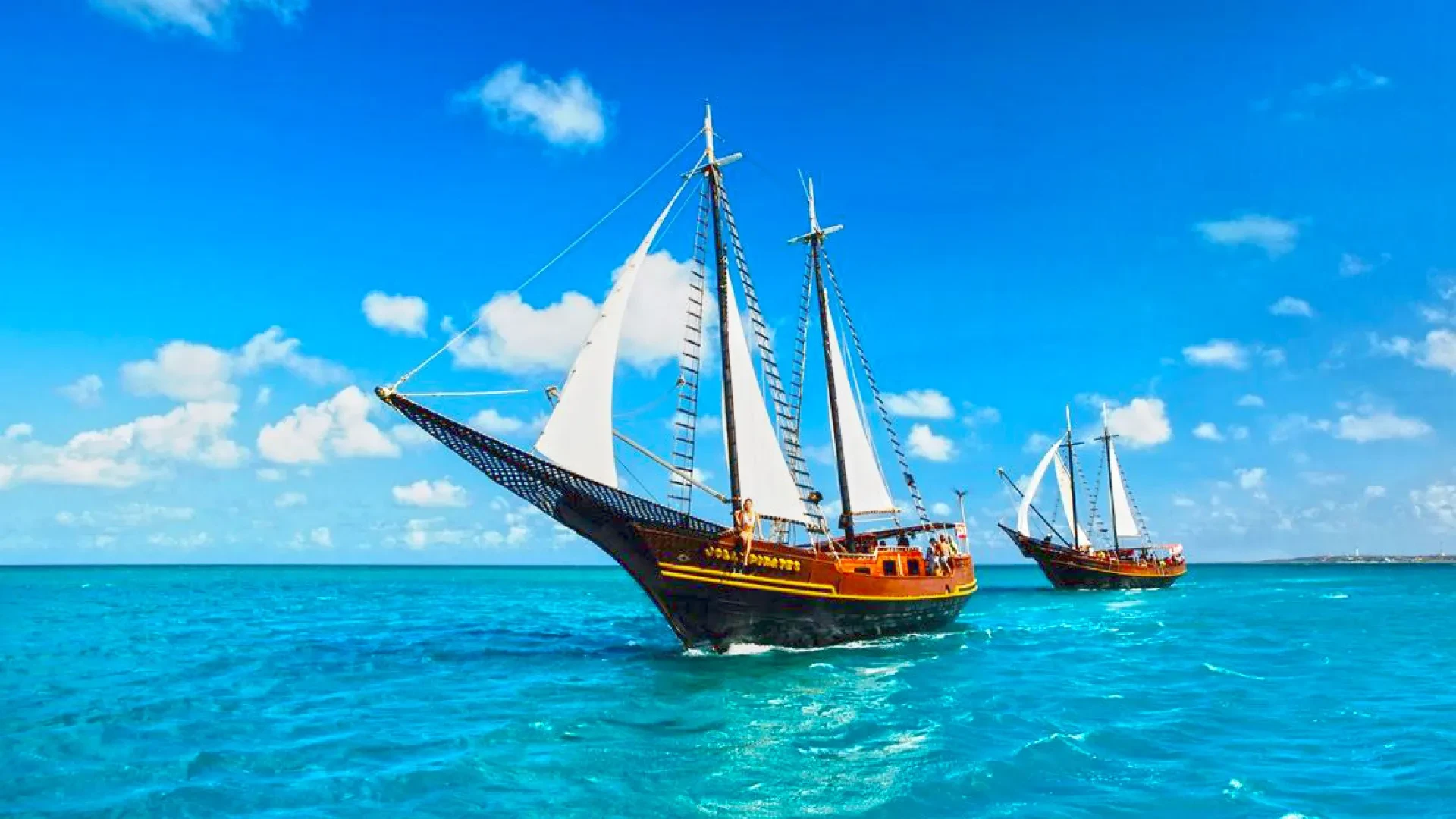
Pirate Sail and Snorkeling in Aruba: Afternoon Tour
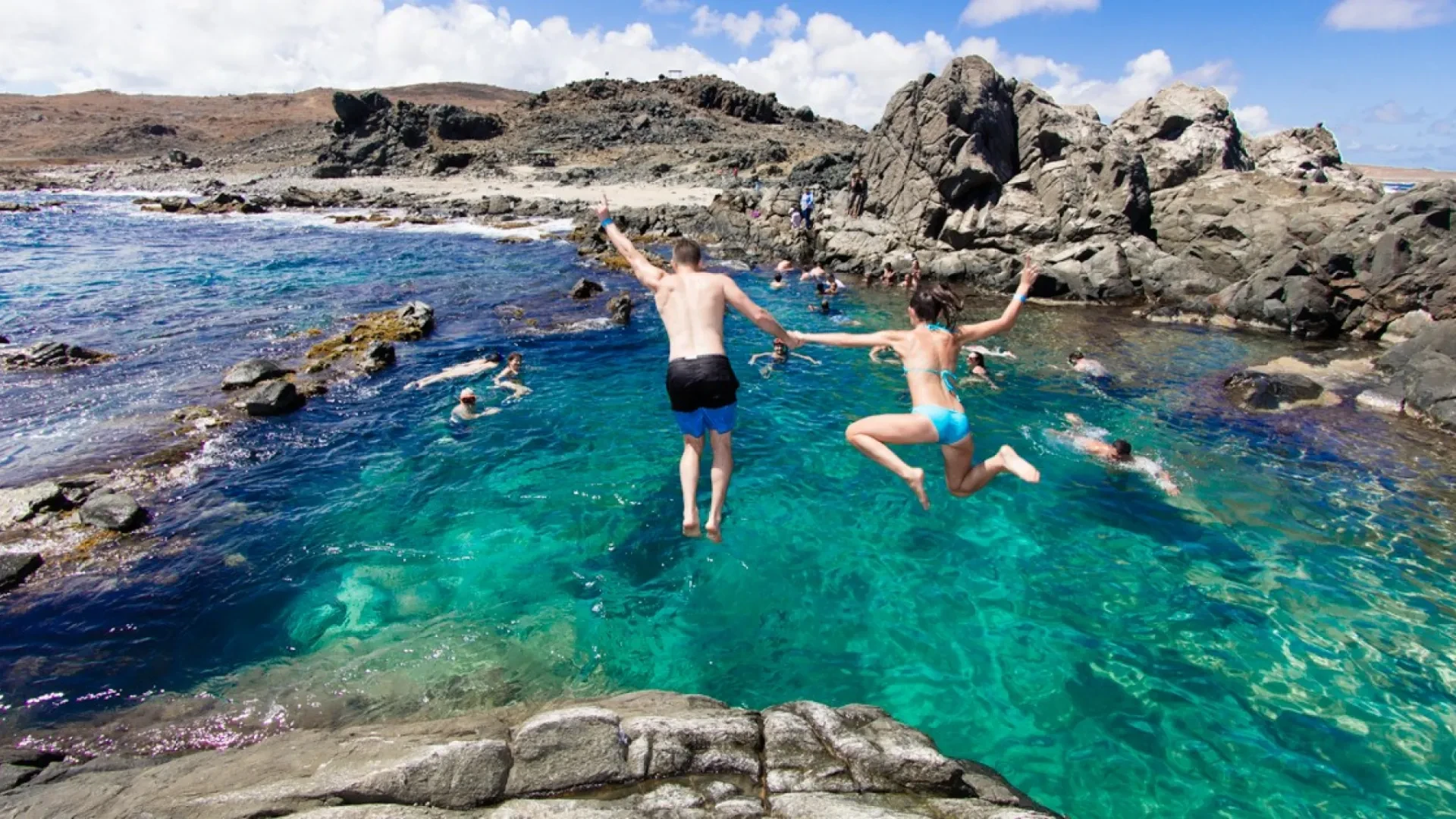
Natural Pool and Indian Caves Jeep Safari
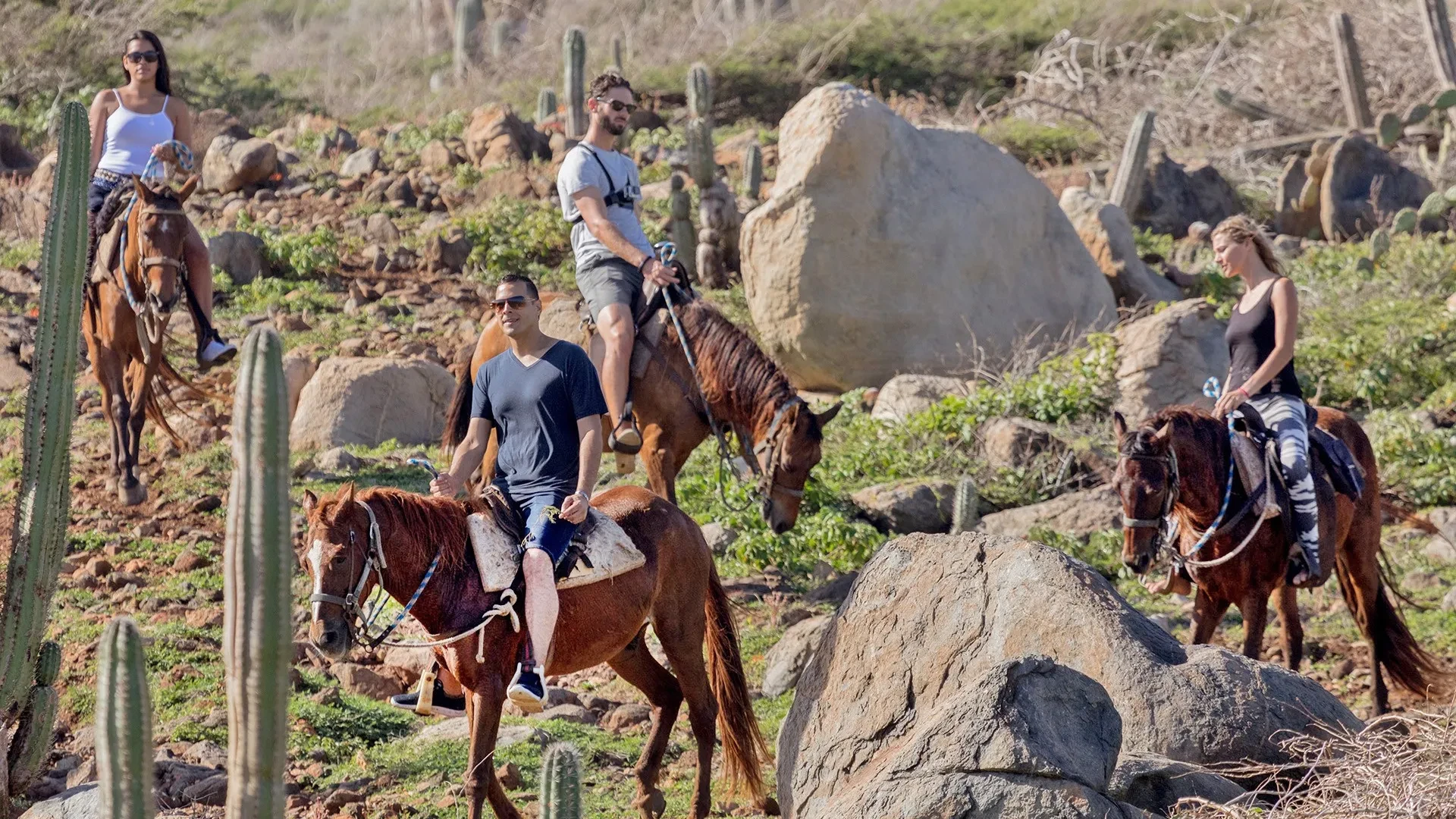
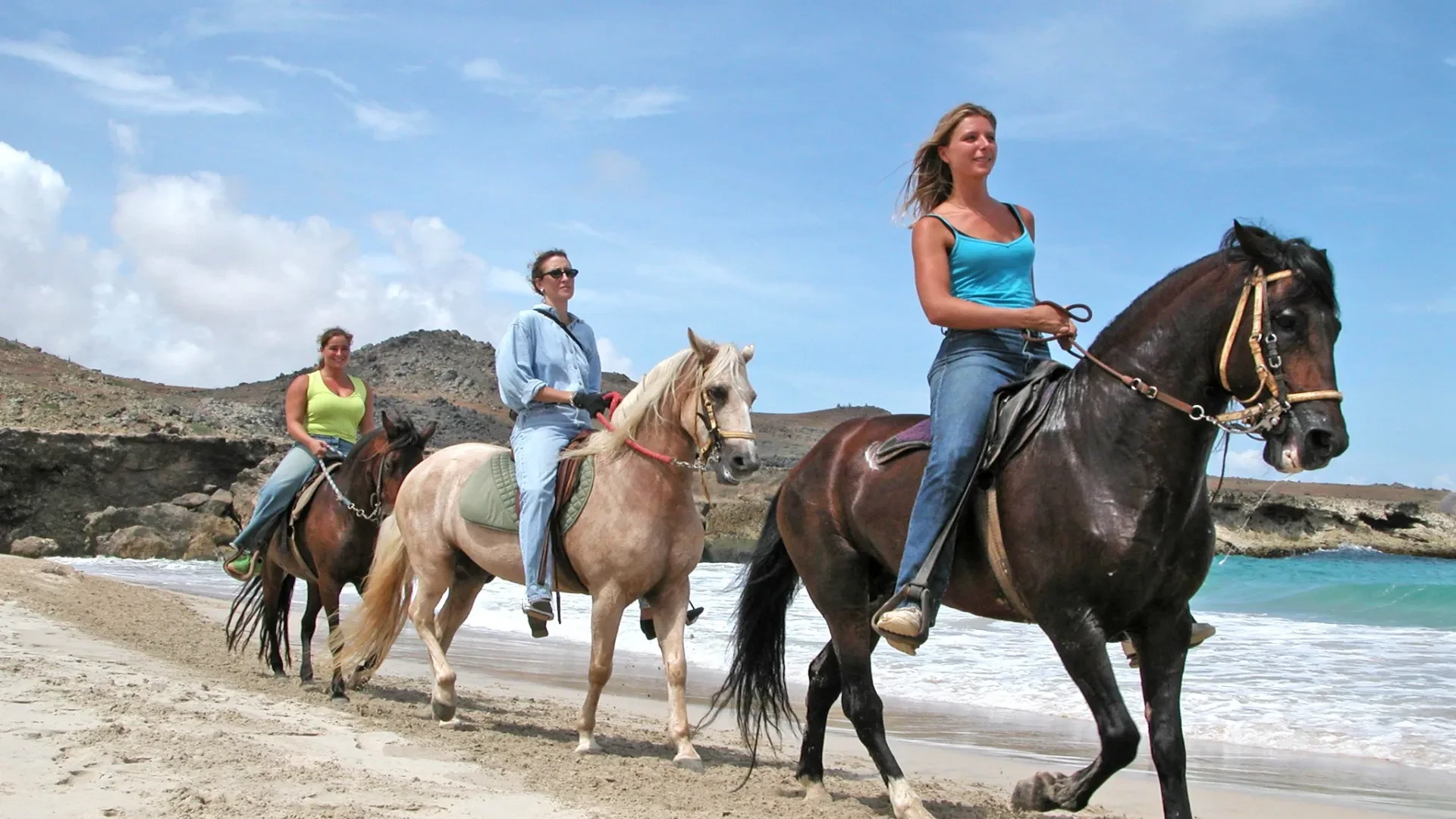
Horseback Riding in Aruba: Countryside and Alto Vista Chapel
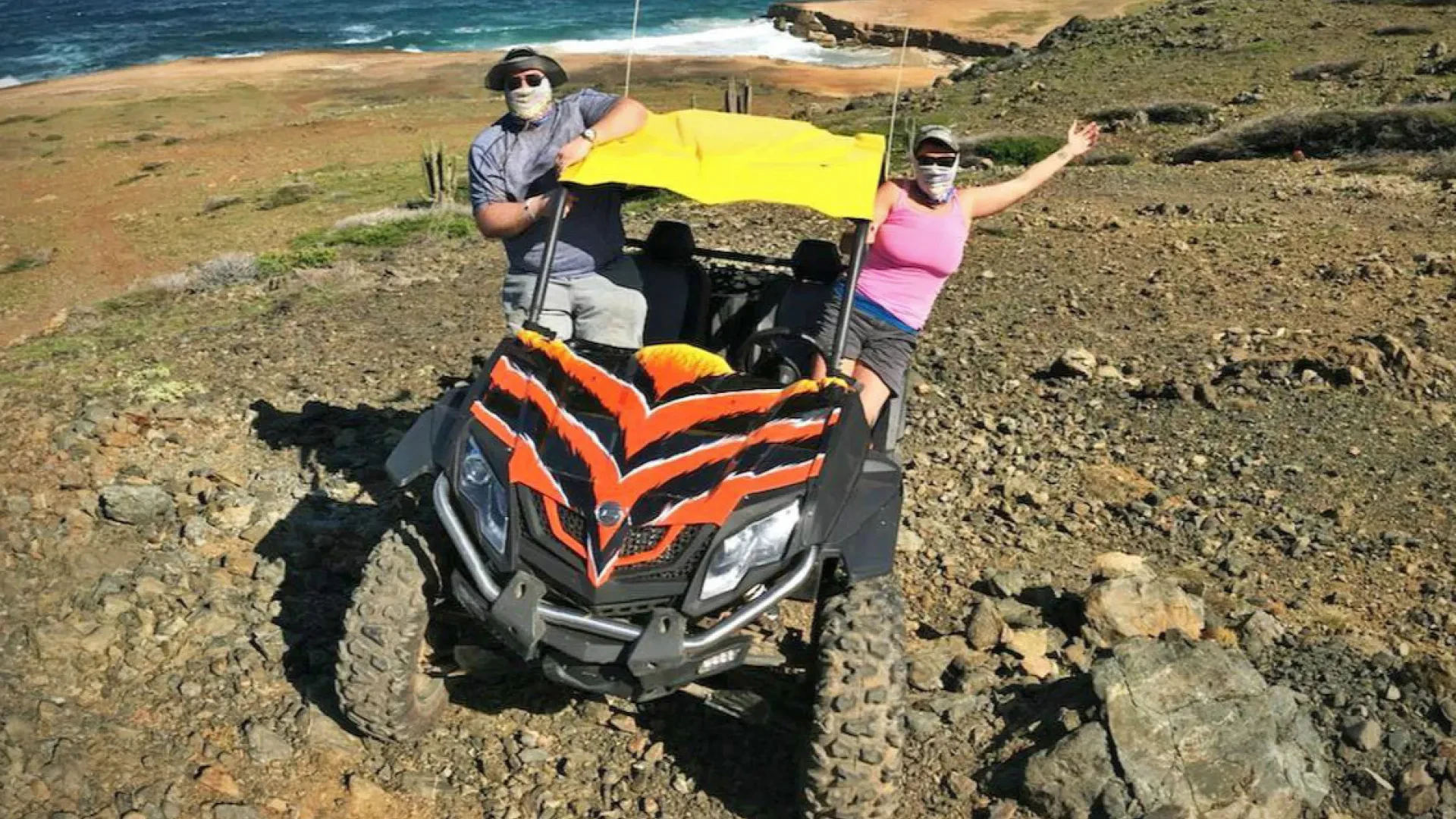
Natural Pool and Indian Caves UTV Safari
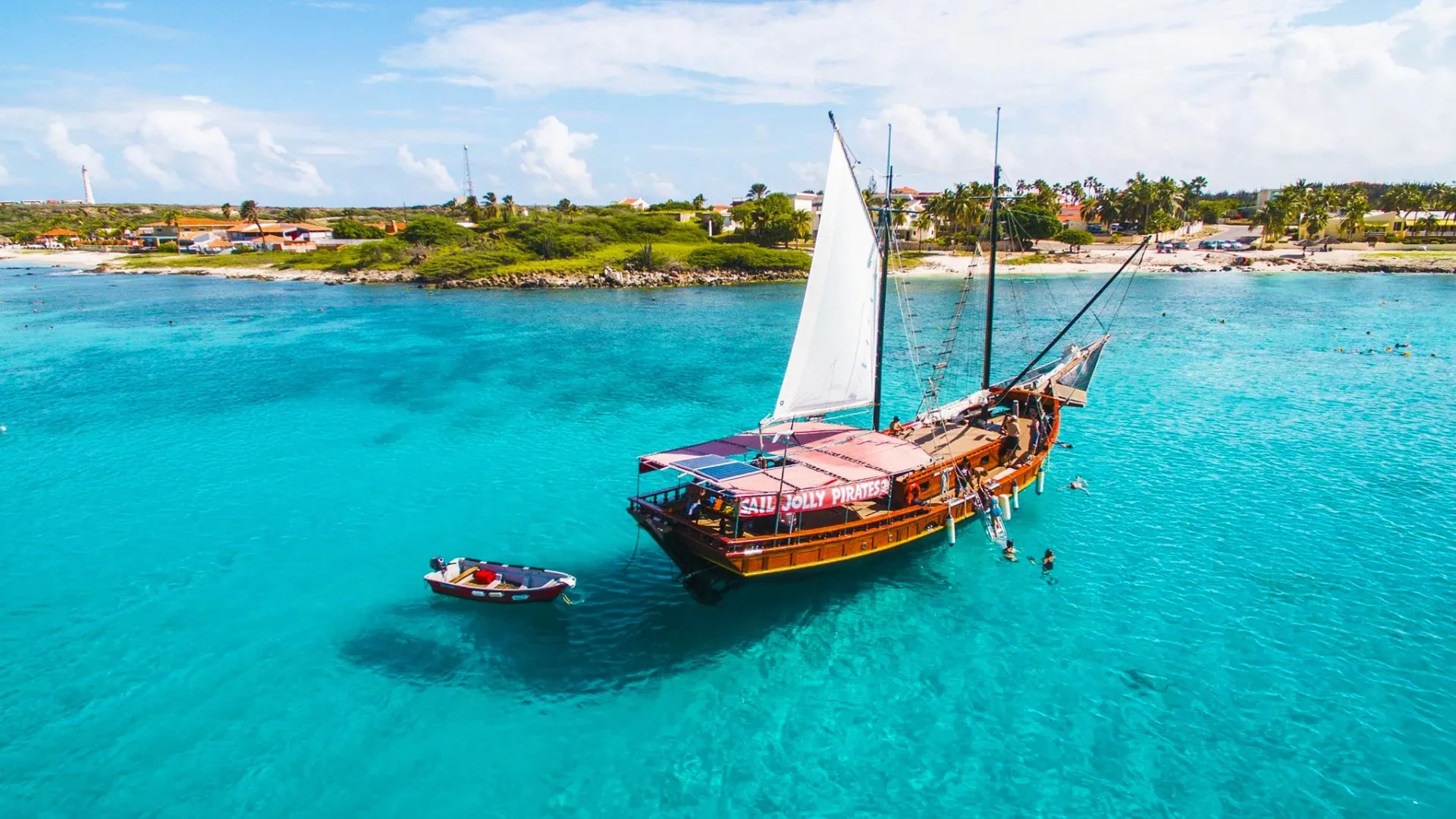
Pirate Sail and Snorkeling in Aruba: Morning Tour