Patrick
September 01.
Been there. Done that.
Been there. Done that.
September 01.
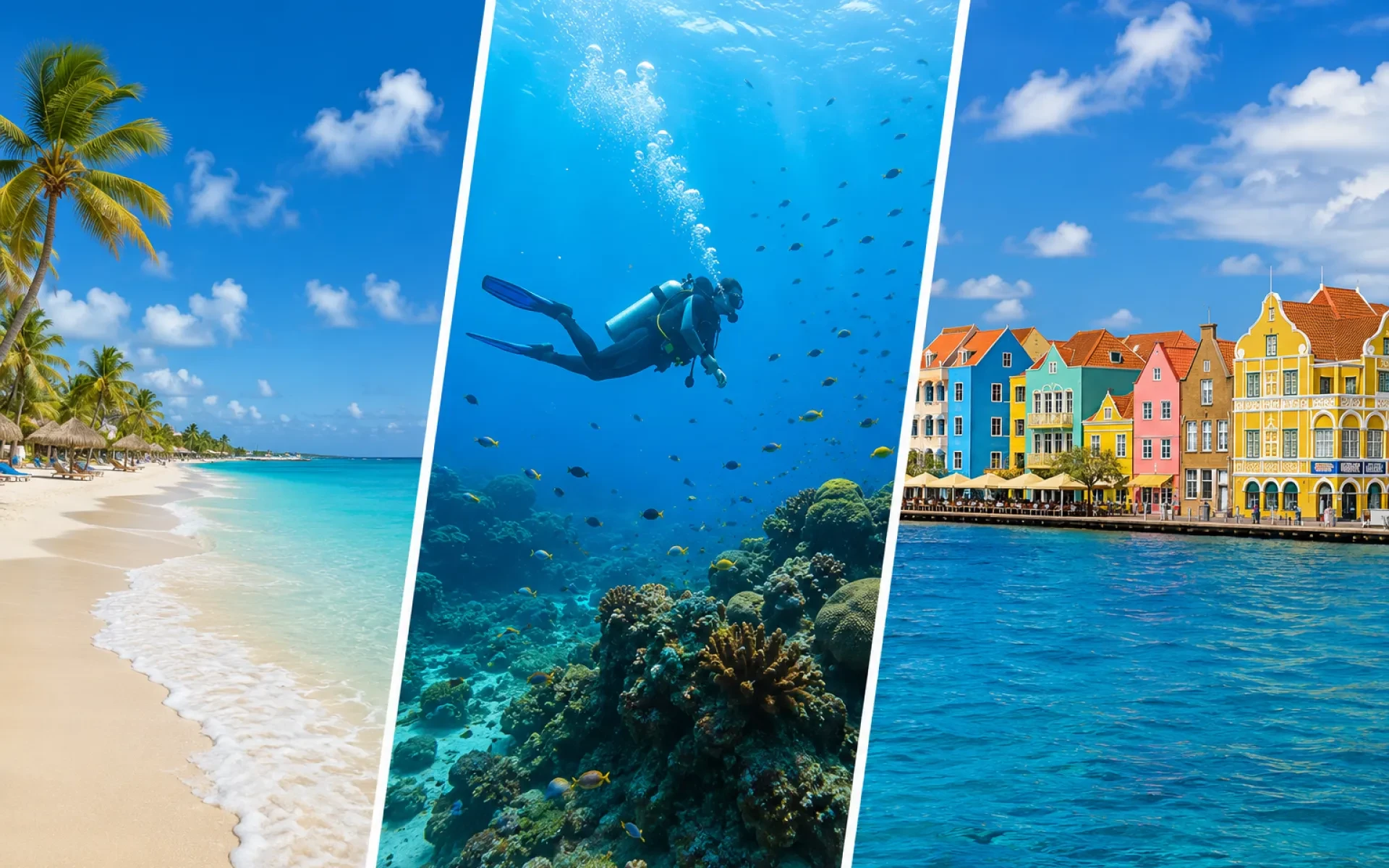
The ABC Islands are Aruba, Bonaire and Curaçao, three islands in the southern Caribbean Sea. They are part of the Dutch Caribbean and lie just off the northern coast of Venezuela.
Despite being grouped together, the three islands are not politically identical. Aruba and Curaçao are autonomous countries within the Kingdom of the Netherlands, while Bonaire is a special municipality of the Netherlands.
All three share Dutch and Caribbean influences, but each has its own character. Aruba is the most developed for tourism, Bonaire is known for its protected marine environment, and Curaçao stands out for its culture, colorful architecture and diverse beaches.
This is a common Caribbean fun fact. The name is simple: A stands for Aruba, B for Bonaire and C for Curaçao. However, that is not their geographical order. From west to east, the islands are actually arranged Aruba, Curaçao and Bonaire.
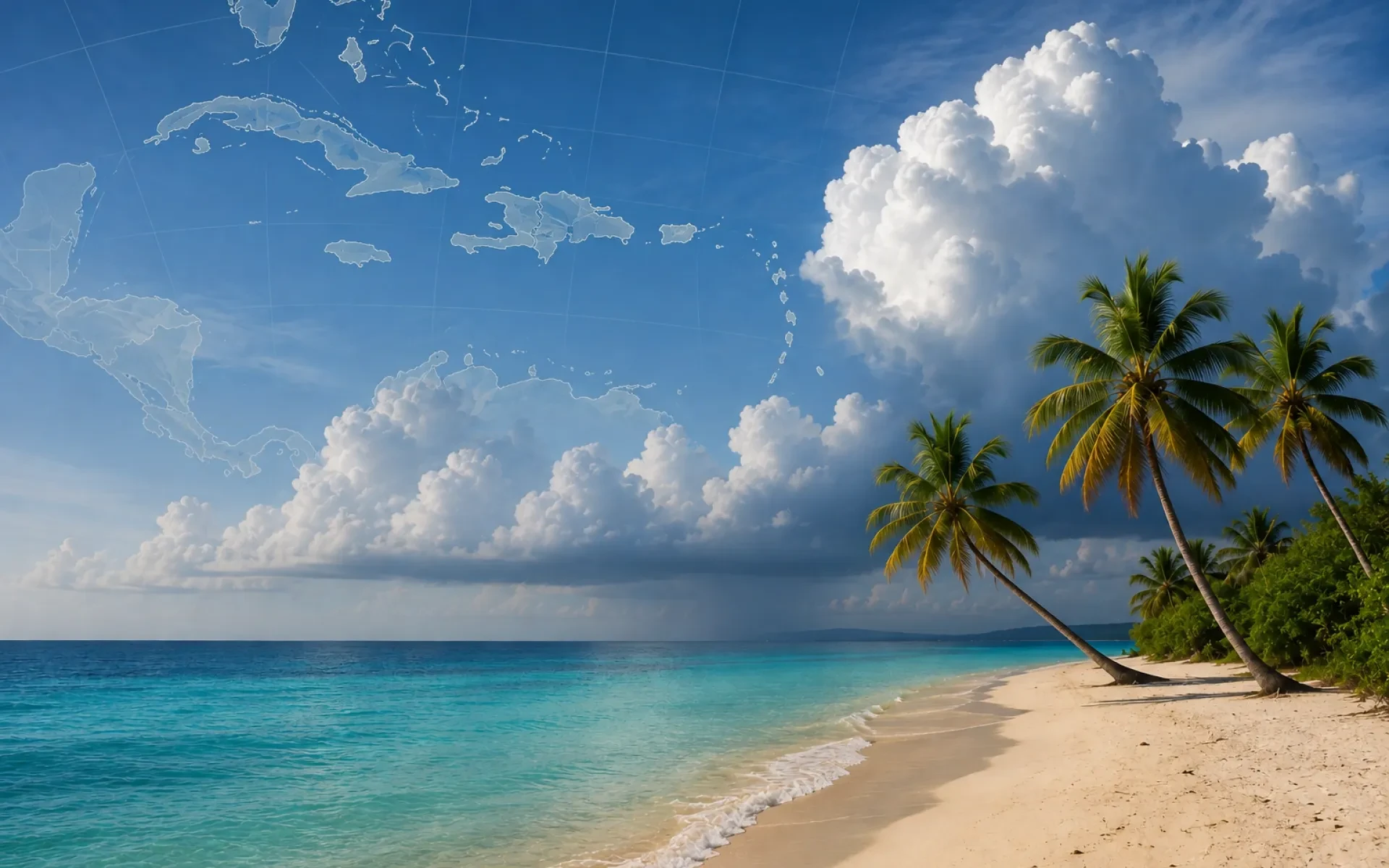
The ABC Islands sit in the southern Caribbean, just off the coast of Venezuela and well south of most other Caribbean islands. Aruba is the westernmost of the three, followed by Curaçao and then Bonaire to the east.
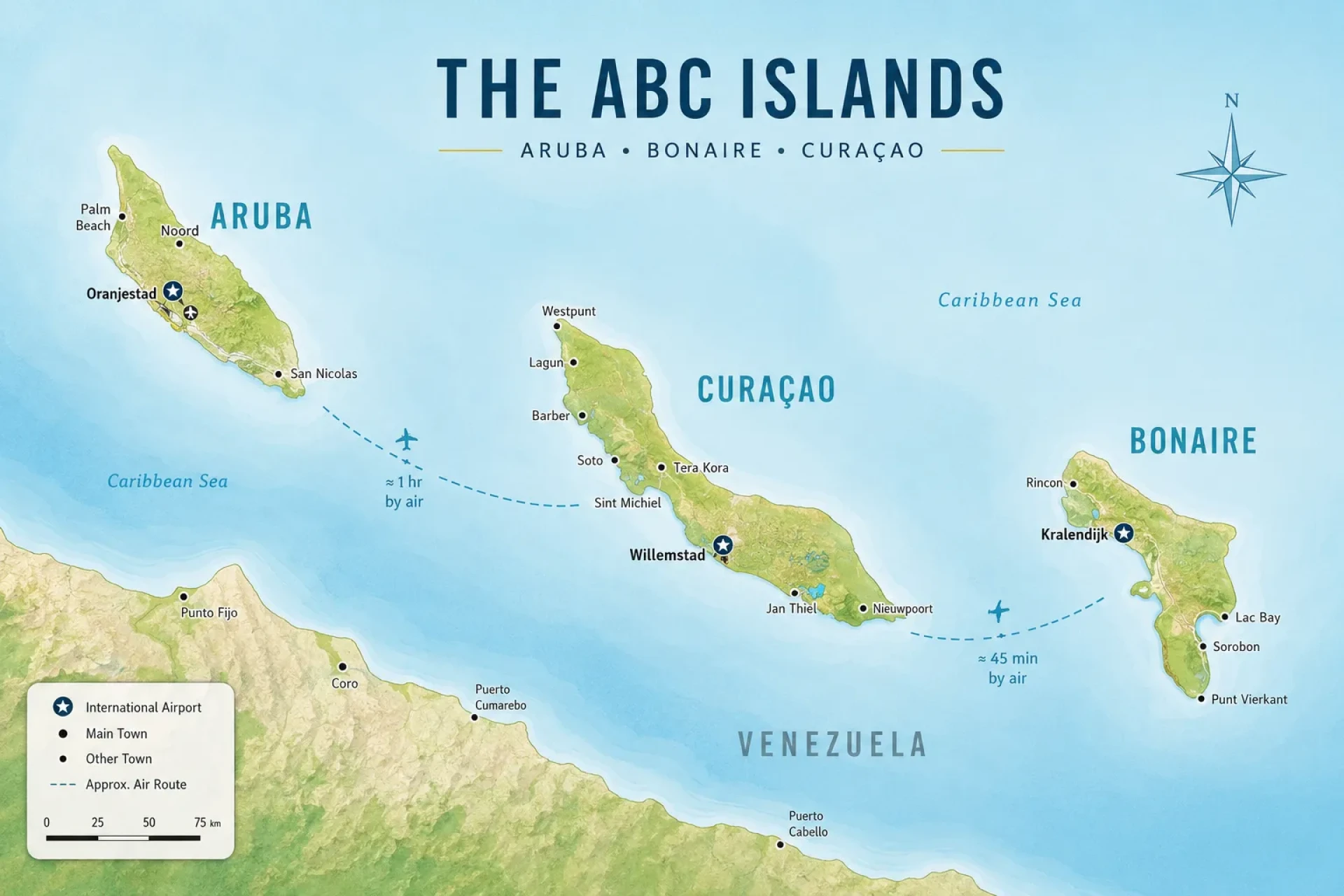
Aruba is about 18 miles (29 km) north of Venezuela. Curaçao lies around 50 miles (80 km) east of Aruba, while Bonaire is another 30 miles (48 km) east of Curaçao.
Despite their proximity, there are no regular passenger ferries connecting the three islands. Most travelers who want to visit more than one ABC Island fly between them.
Aruba, Bonaire and Curaçao share warm weather, clear Caribbean water and strong Dutch-Caribbean influences, but the travel experience is quite different on each island.
Aruba is the easiest choice for a classic beach vacation. Bonaire is all about the underwater world and nature. Curaçao offers the most varied mix of beaches, culture, food and sightseeing.
| Aruba | Bonaire | Curaçao | |
|---|---|---|---|
| Best for | Beaches & resorts | Diving & nature | Beaches & culture |
| Capital | Oranjestad | Kralendijk | Willemstad |
| Vibe | Lively & easy-going | Quiet & laid-back | Vibrant & diverse |
| Beaches | Long, sandy beaches | Smaller beaches & reefs | Coves & sandy beaches |
| Diving | Excellent | World-class | Excellent |
| Nightlife | Best of the three | Very limited | Lively |
| Tourism level | Highest | Lowest | Medium |
| Car rental | Useful, not essential | Recommended | Recommended |
| Currency | Aruban florin | US dollar | Caribbean guilder |
The short version: choose Aruba for an easy beach vacation, Bonaire for diving and nature, or Curaçao if you want beaches with more culture and exploring.
Aruba is the most popular of the ABC Islands in the Caribbean. It is the easiest choice if you want beautiful beaches, resorts, restaurants and plenty to do.
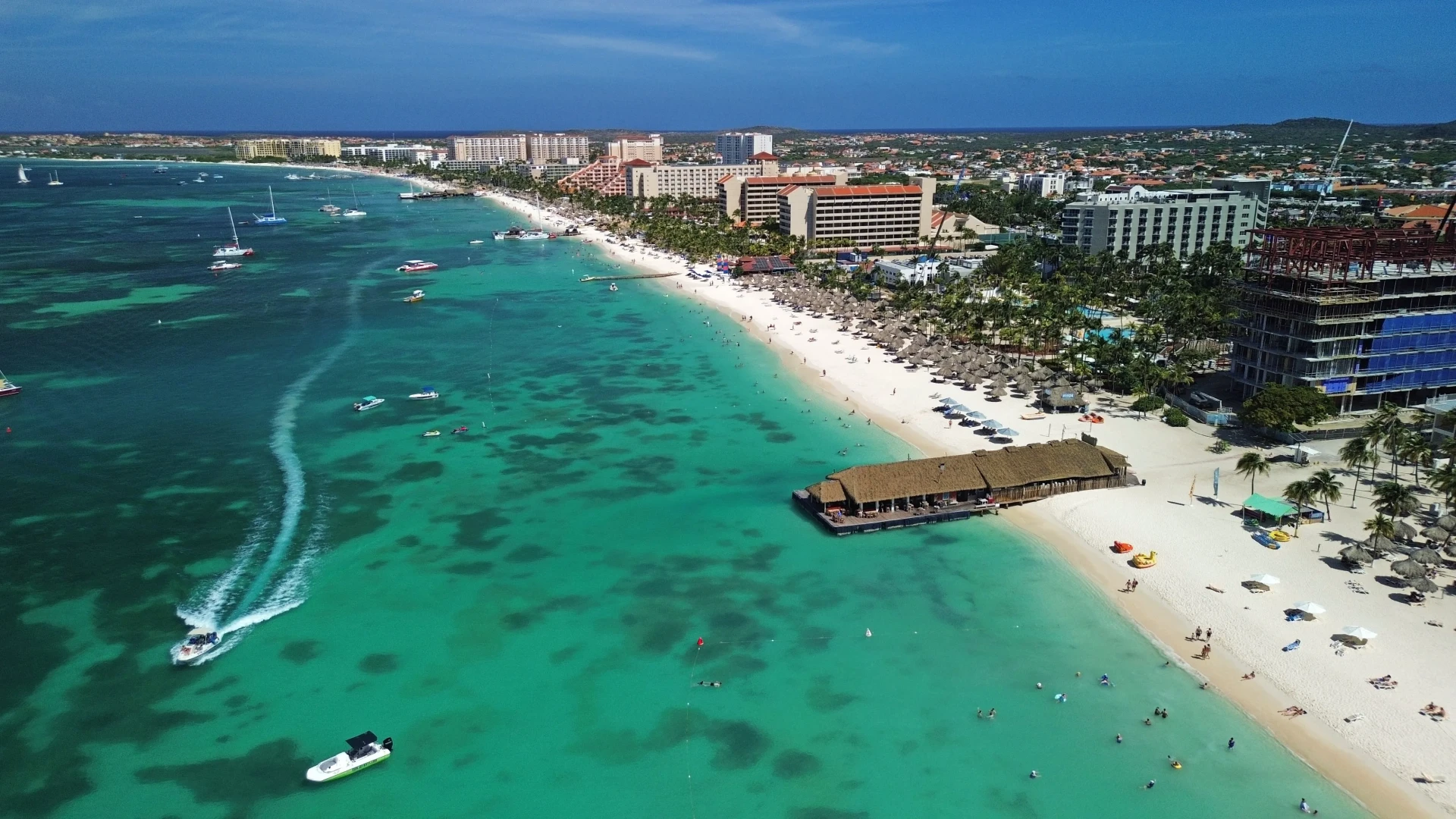
Aruba's beaches are it’s biggest draw. Eagle Beach is wide and relaxed, while Palm Beach is lined with resorts, restaurants, beach bars and watersports.
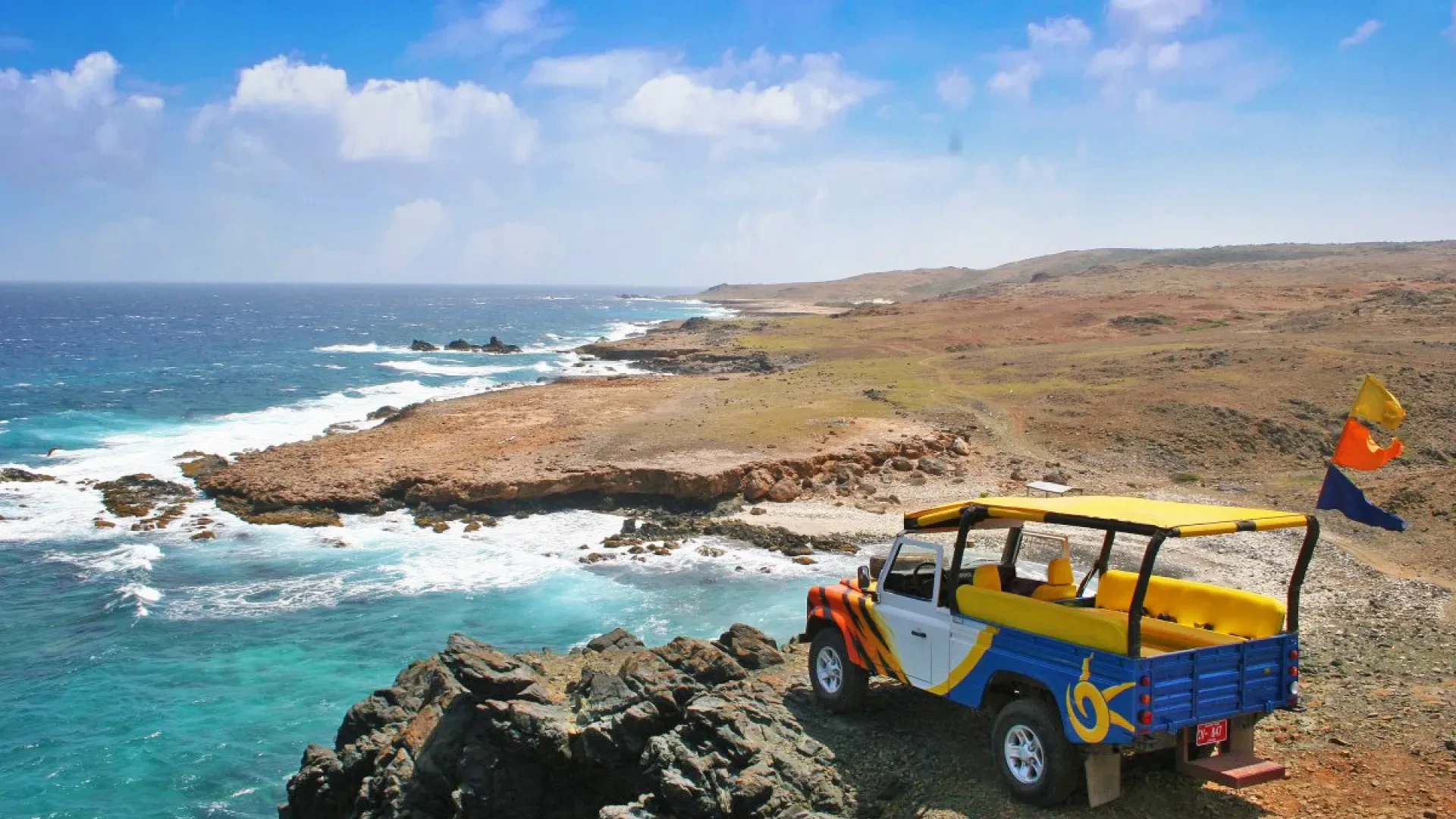
Away from the coast, the landscape becomes dry and rugged. Arikok National Park covers almost 20% of the island and is home to caves, desert scenery and a wild rocky coastline.
Aruba also has the most developed tourism scene of the three islands. Boat trips, snorkeling tours, ATV adventures and watersports are easy to find.
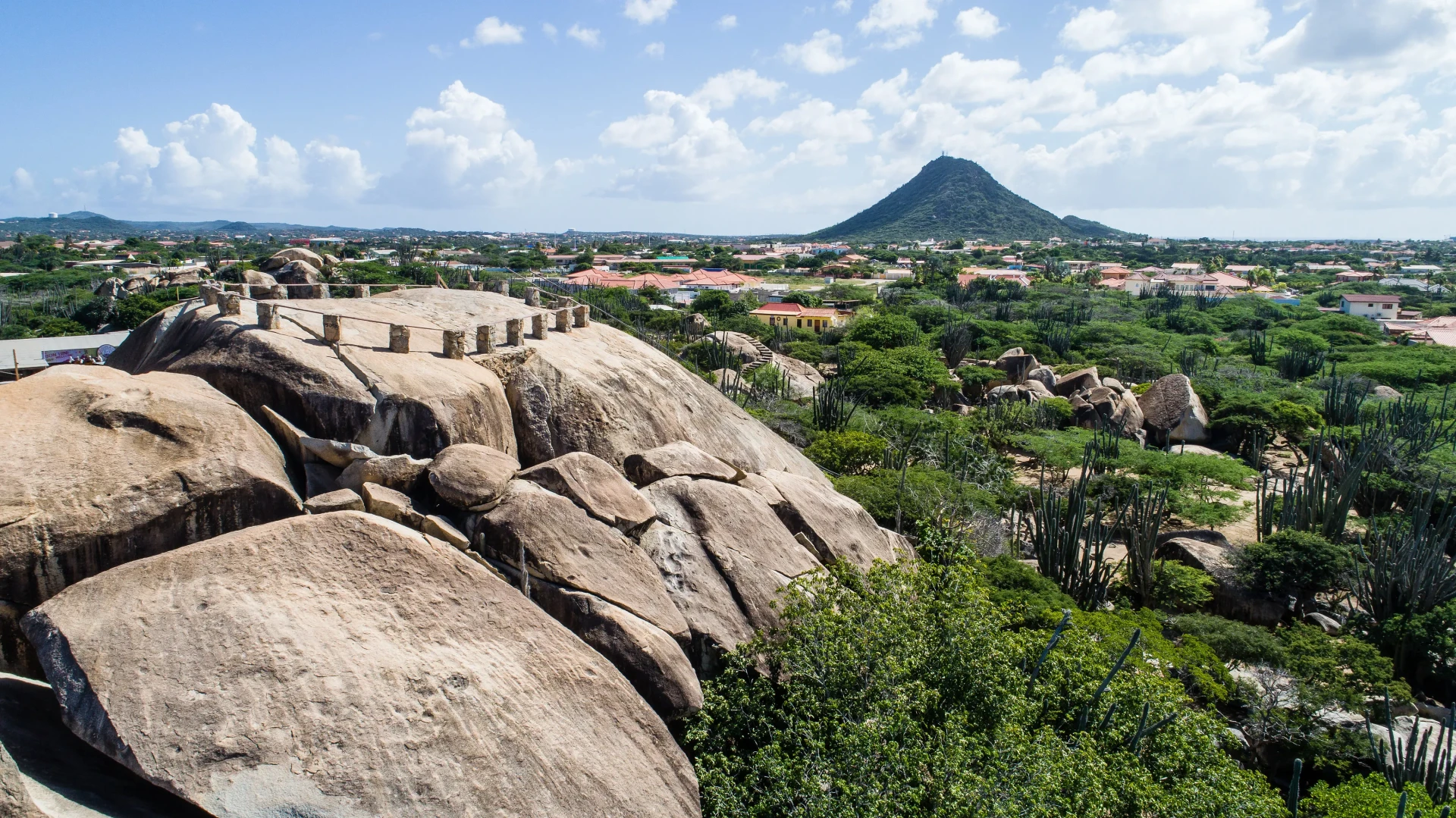
Choose Aruba if you want a classic Caribbean beach vacation with good restaurants, nightlife and plenty of activities. It is especially easy for first-time visitors, families and couples.
Twistour tip: You do not necessarily need a rental car for your entire stay. Rent one for a day or two to explore Arikok, Baby Beach and the quieter parts of the island.
If you are planning your trip to the ABC Islands, check out our article on where to stay in Aruba.
Bonaire is the quietest of the ABC Islands. It is best known for diving, snorkeling and its largely undeveloped natural landscapes.
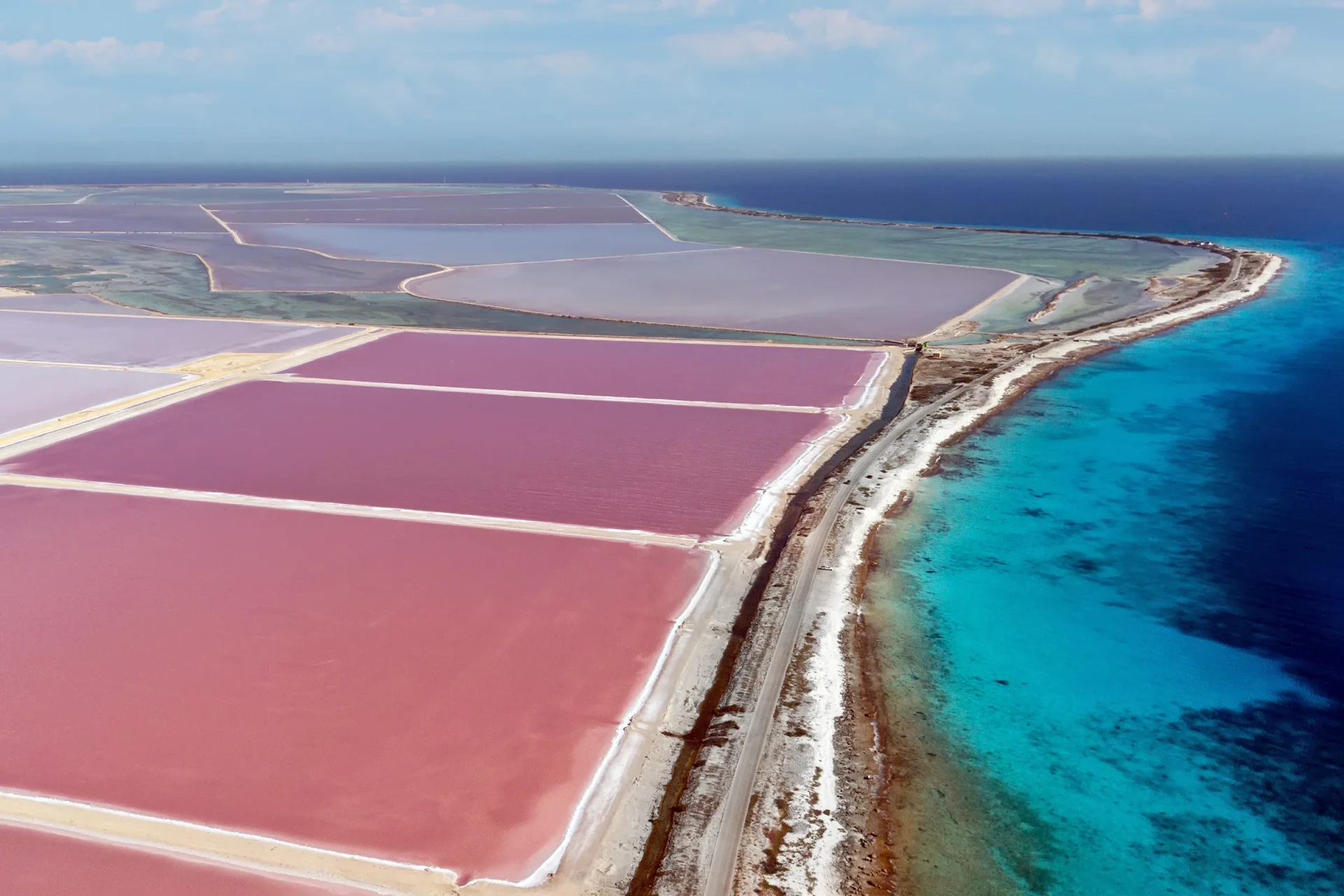
Bonaire is one of the Caribbean’s hidden secrets and top diving destinations. Protected reefs surround much of the island, and many dive sites can be reached directly from shore.
Snorkeling is excellent too, particularly around Klein Bonaire. On land, you can explore salt flats, see flamingos or drive through Washington Slagbaai National Park.
Tourism is much more low-key than in Aruba. Kralendijk has restaurants and small hotels, but you will not find the same large resort and nightlife scene.
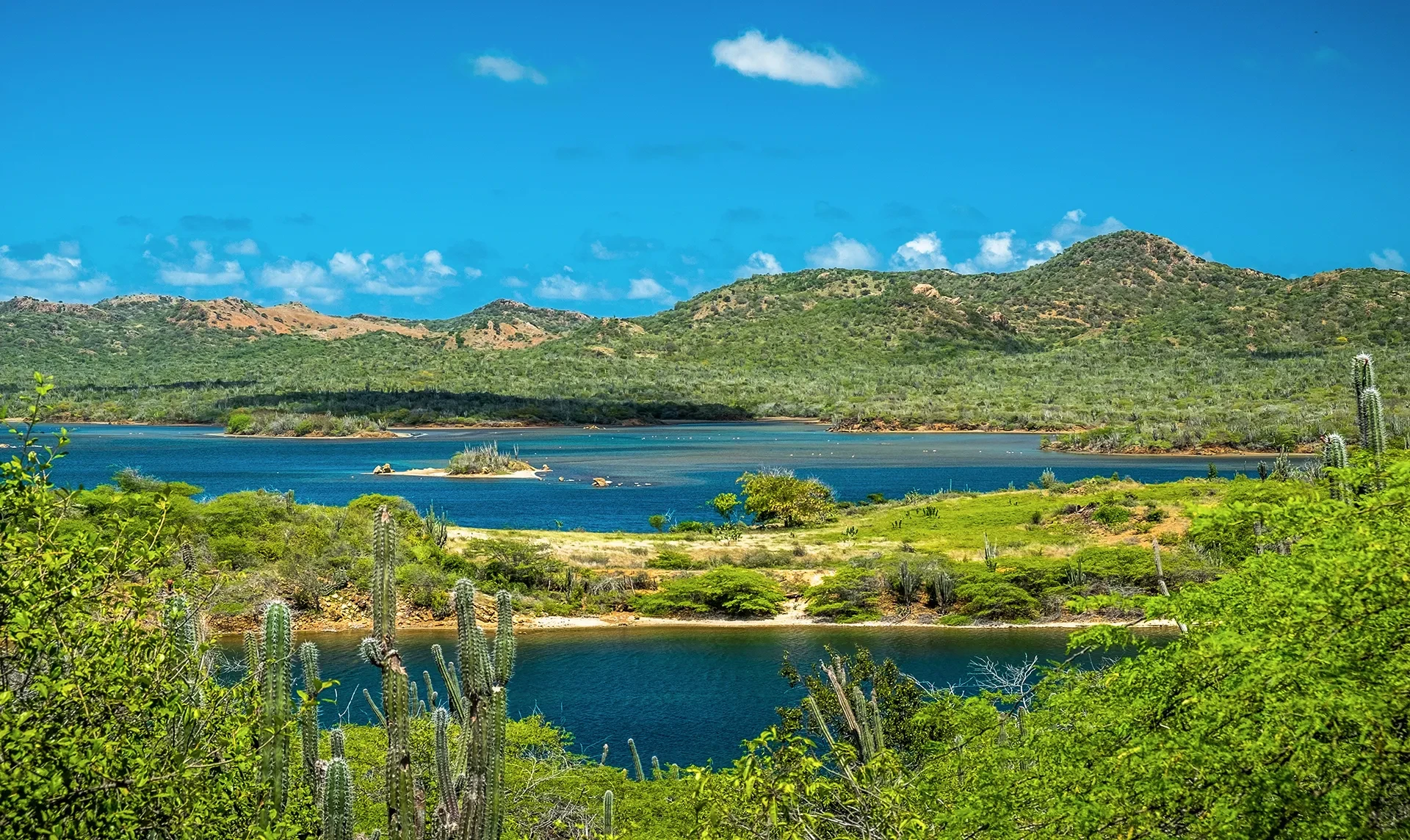
Choose Bonaire if diving, snorkeling and nature are more important to you than resorts and nightlife. It is also a good choice if you prefer quieter Caribbean islands with fewer crowds.
Twistour tip: Bonaire is not the best choice if your priority is long, sandy beaches. For a traditional beach vacation, Aruba or Curaçao will usually be a better fit.
Curaçao offers the most varied experience of the three ABC Islands. It combines beautiful beaches with history, local culture, good food and a lively capital. The neighbours of Curacao are Aruba and Bonaire.
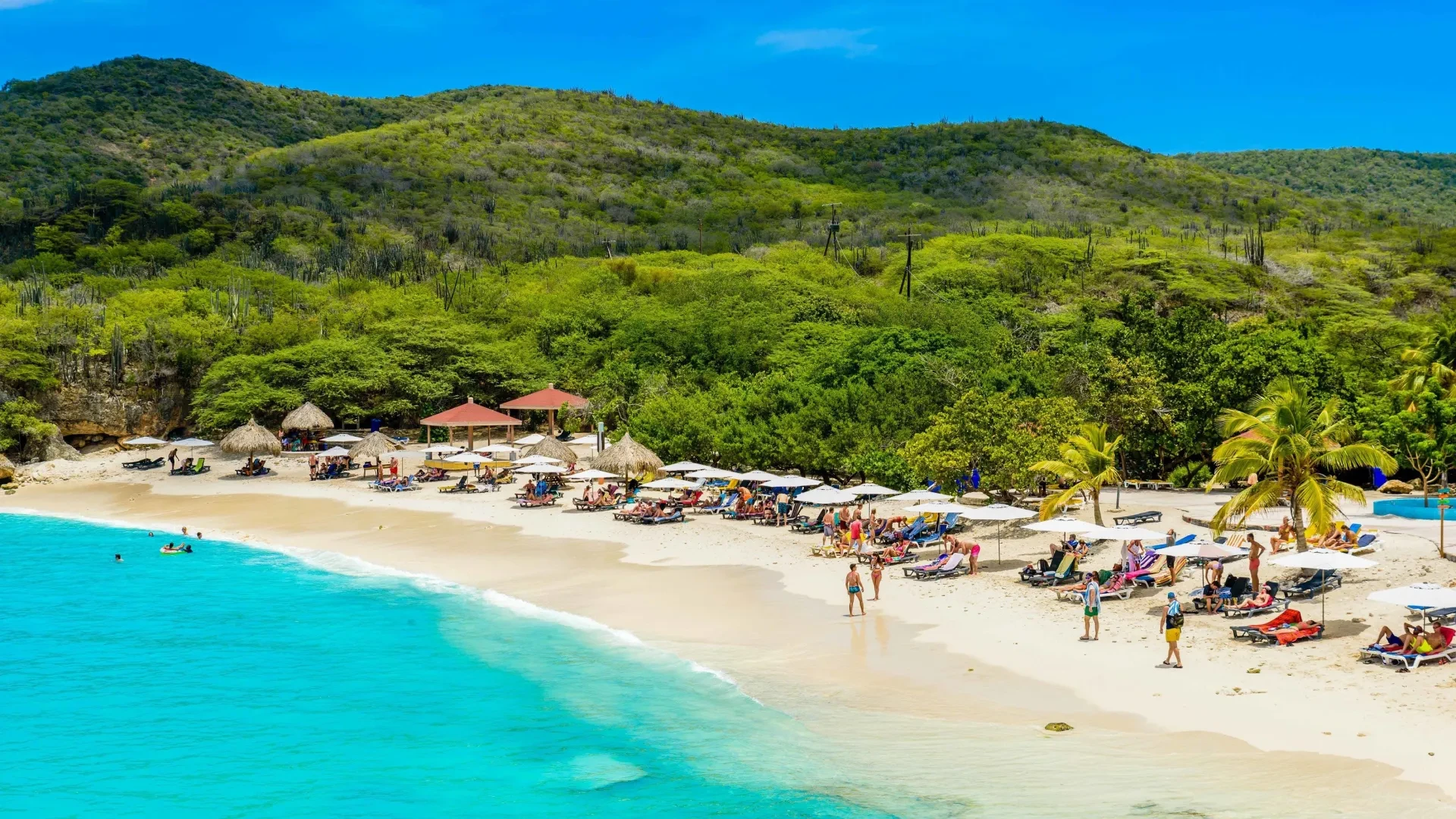
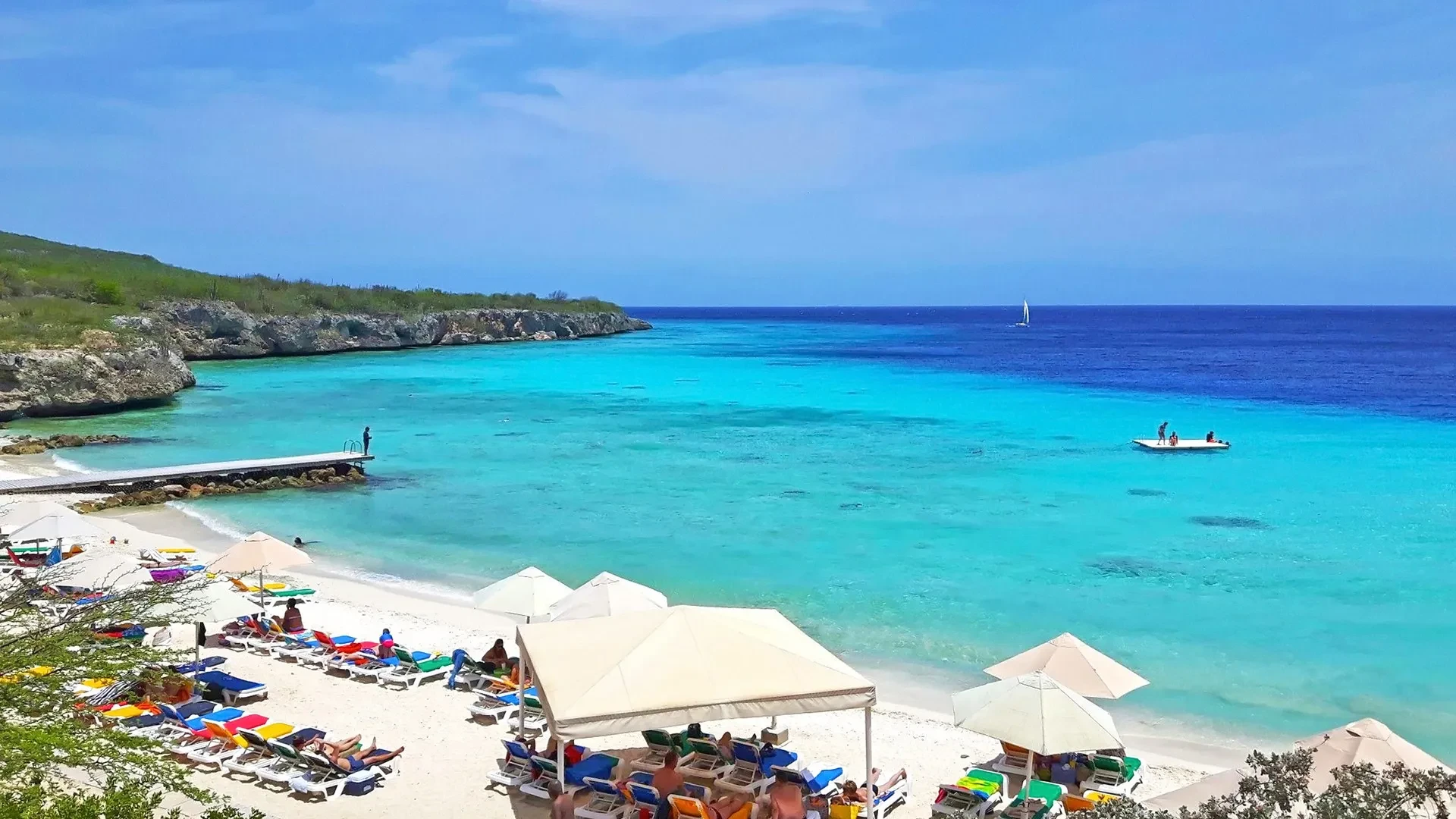
There are over 57 beaches in Curaçao, ranging from small rocky coves to beautiful sandy bays such as Grote Knip and Cas Abao. Many also offer excellent snorkeling directly from shore.
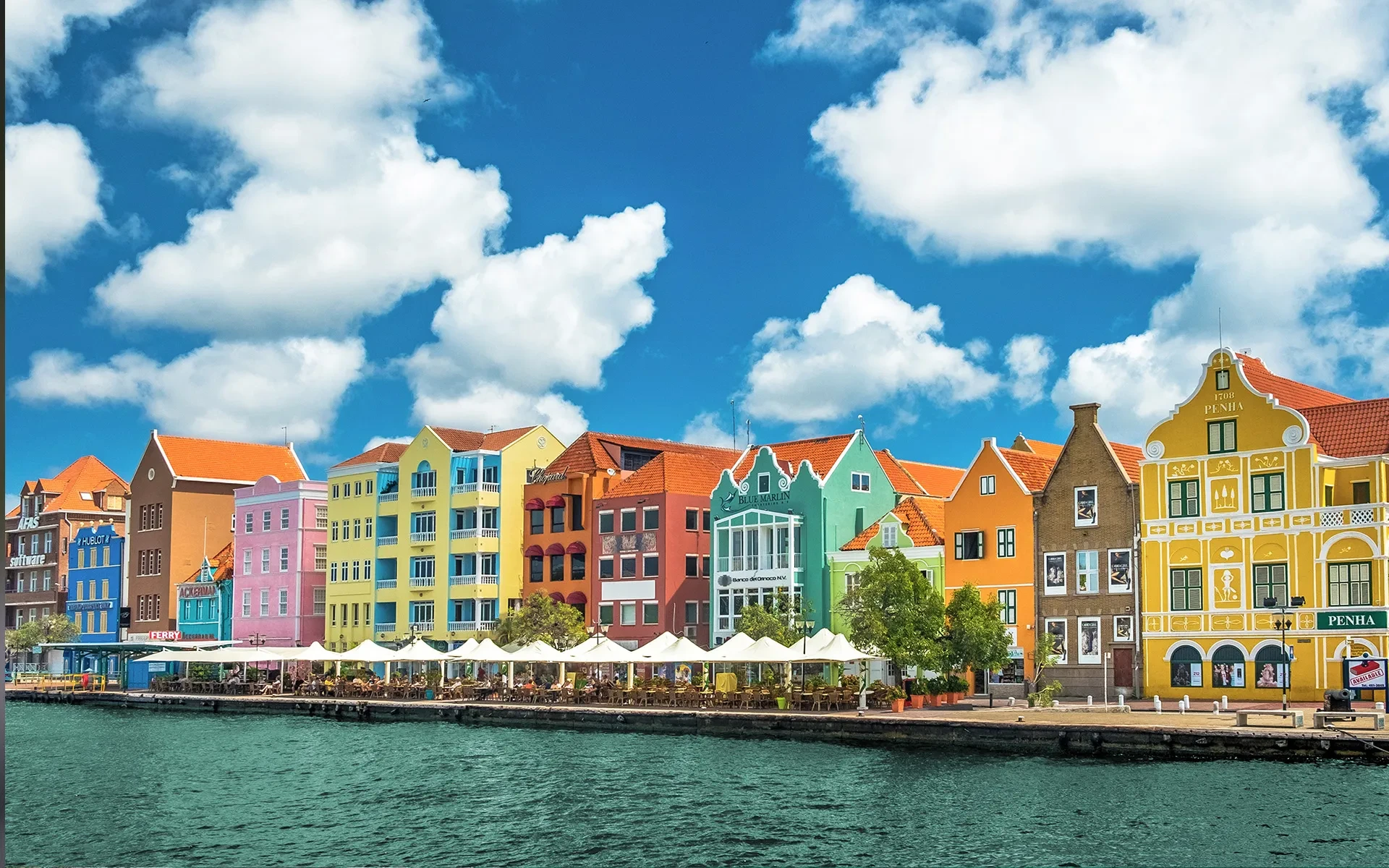
Willemstad gives Curaçao something the other ABC Islands cannot quite match. Its colorful Dutch-Caribbean architecture, historic neighborhoods and waterfront are part of a UNESCO World Heritage Site.
There is plenty to explore beyond the capital. You can hike in Christoffel National Park, visit remote beaches along the west coast or take a boat trip to Klein Curaçao.
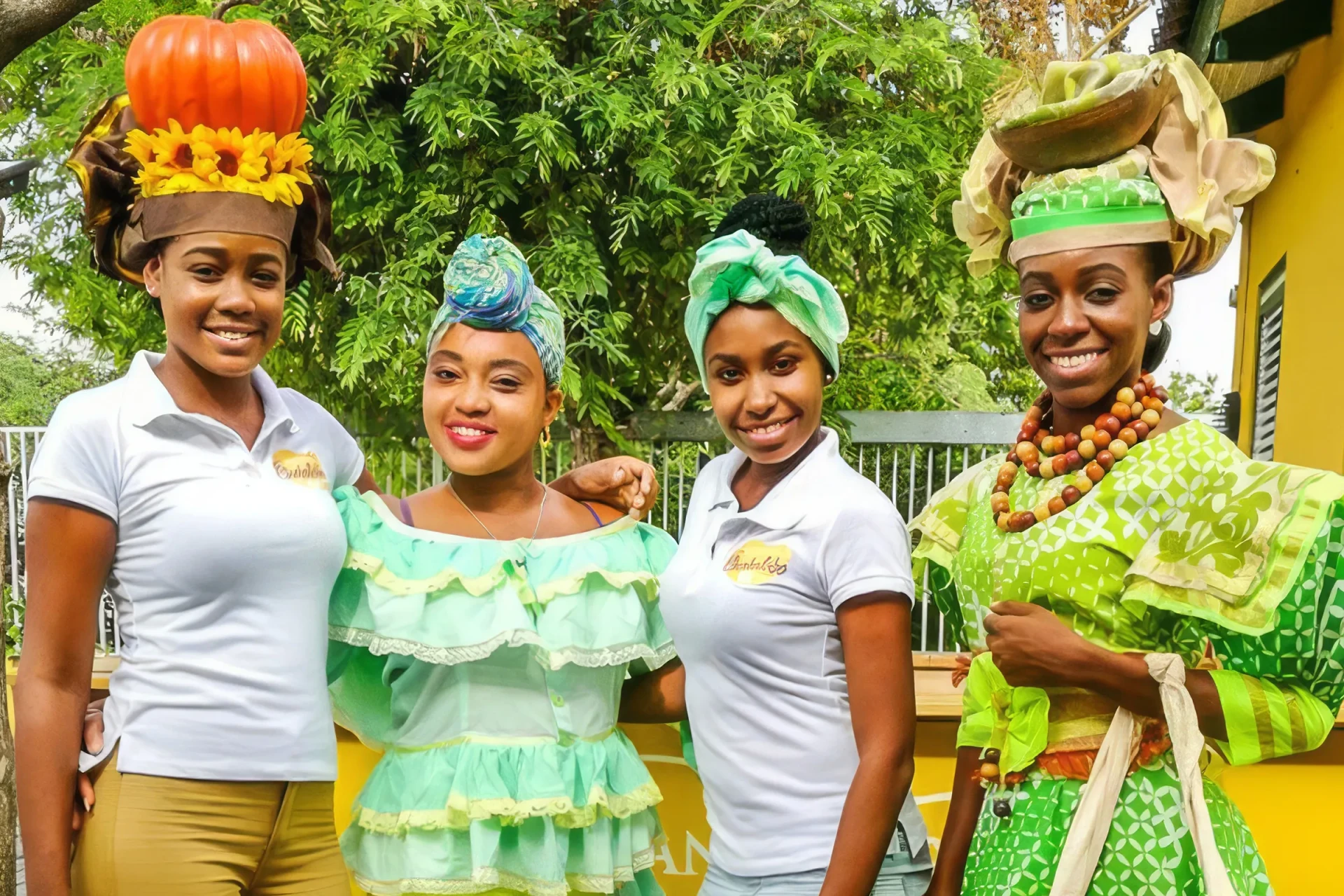
Choose Curaçao if you want more than a resort-and-beach vacation. It is a particularly good fit for travelers who enjoy exploring, local restaurants, culture and beaches in equal measure.
Twistour tip: A rental car is worth having in Curaçao. Many of the island’s best beaches and sights are spread along the west coast and are much easier to reach independently.
Find the best hotels in Curacao, if you are planning a trip to the ABC Islands.
There is no single best ABC Island. Aruba, Bonaire and Curaçao are close neighbors, but each suits a different type of trip.
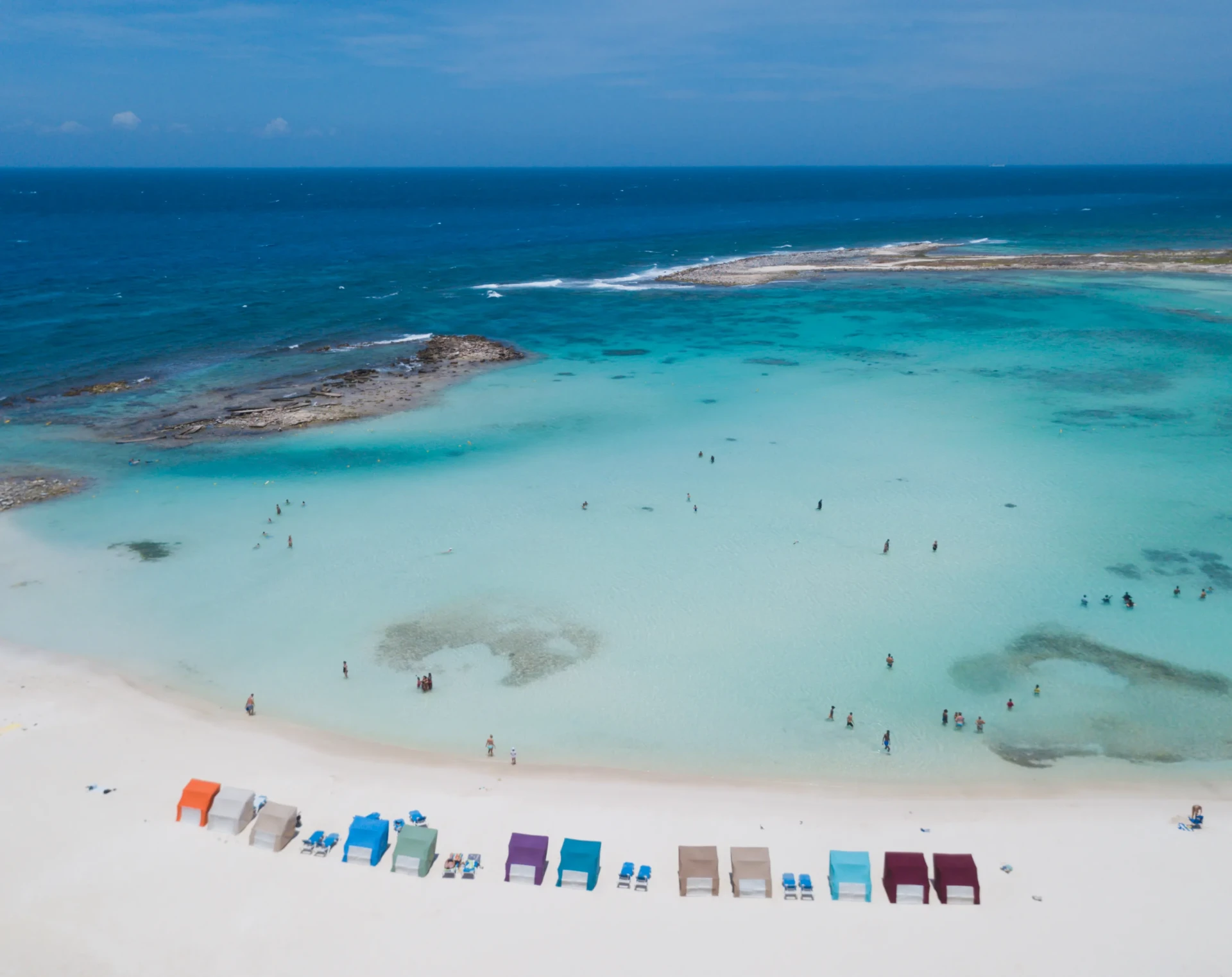
Aruba has the best long, white-sand beaches, including Eagle Beach and Palm Beach. Curaçao has more variety, with dozens of smaller beaches and sheltered coves. However, you won't find baby powder sand in Curacao.
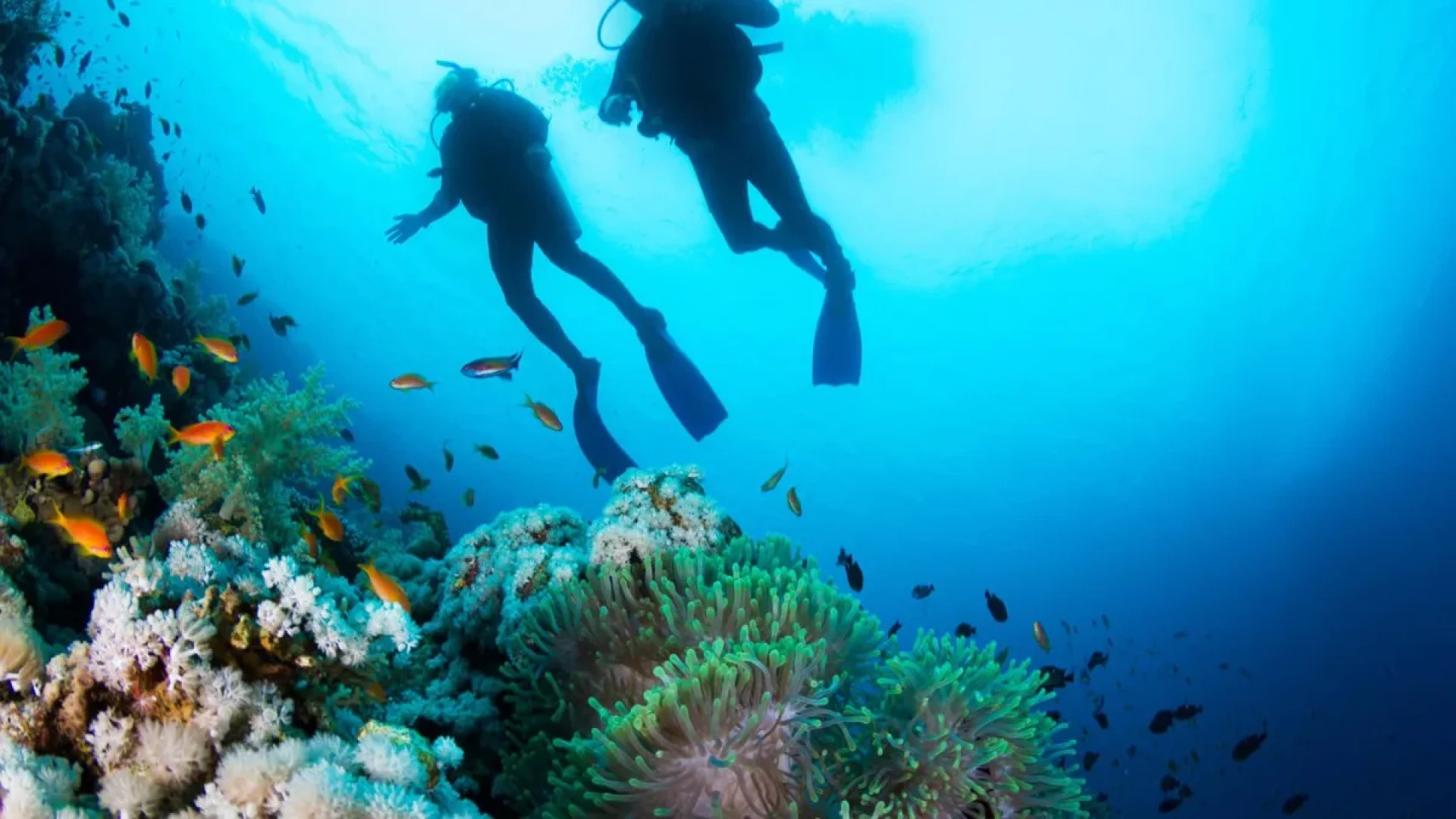
Bonaire is the clear winner for diving. Its protected reefs and easy shore access also make it excellent for snorkeling. Curacao also has excellent diving at a little bit lower price point.
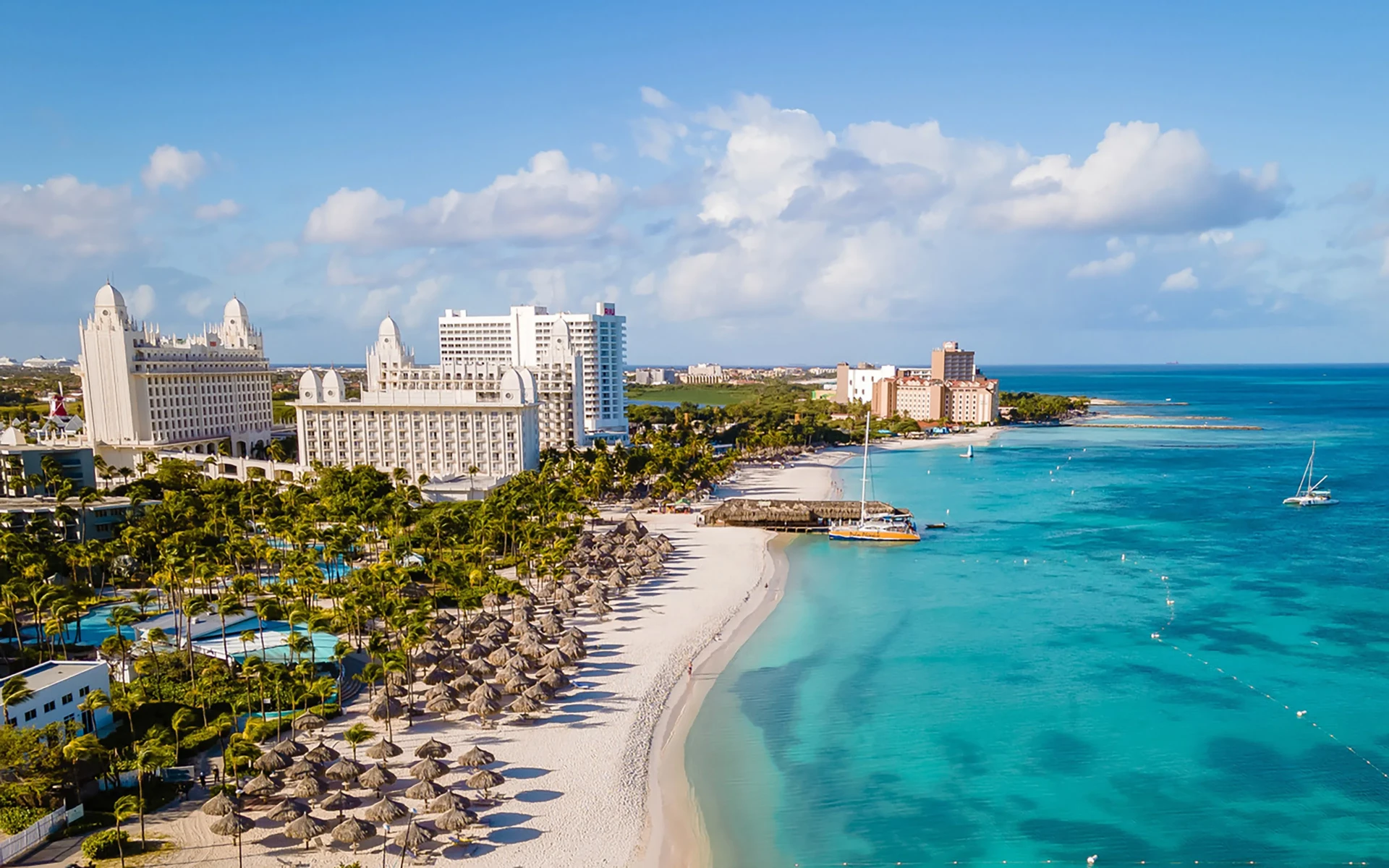
Aruba has the largest choice of beachfront resorts and the most developed tourism infrastructure. However, if you want hidden villas and boutique hotels, Curacao might be a better choice.

Palm Beach and Oranjestad have the biggest concentration of bars, restaurants, casinos and nightlife. Curacao has some nightlife, but Bonaire is all quite.

Curaçao has the strongest cultural and historical offering. Willemstad alone makes it feel very different from a typical Caribbean resort destination.

Aruba is the easiest all-round choice for families. Beaches are accessible, tourism infrastructure is excellent and there are activities for almost every age.
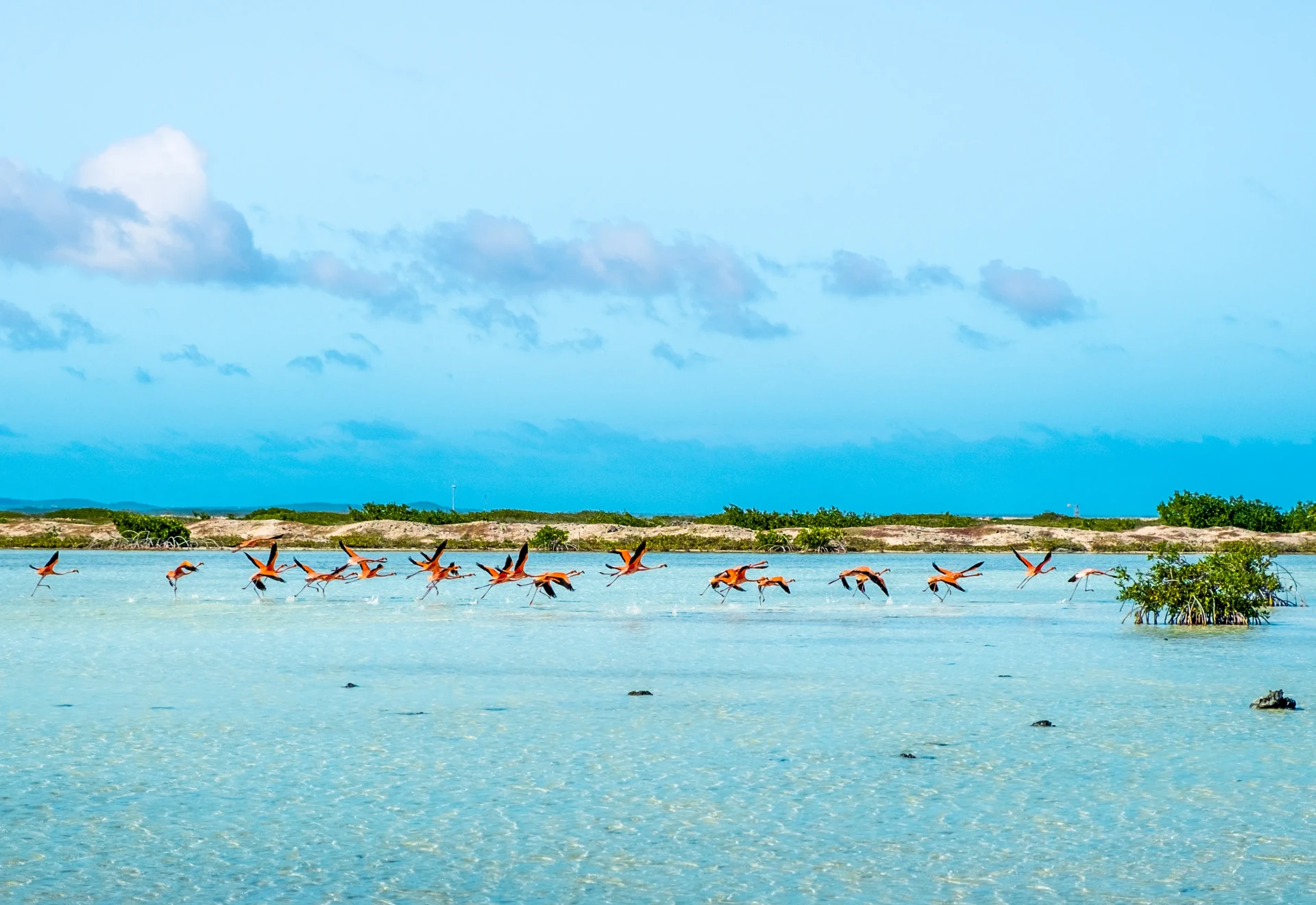
Bonaire feels quieter and less developed. Choose it for diving, snorkeling, wildlife and outdoor activities rather than busy resorts.
Choose Aruba for beaches, resorts and an easy vacation. Choose Bonaire for diving, snorkeling and nature. Choose Curaçao for the best mix of beaches, culture, food and exploring.
The ABC Islands are warm and sunny throughout the year. Daytime temperatures usually stay around 82–88°F (28–31°C), with relatively little seasonal variation.
December through April offers some of the most comfortable weather, but it is also the busiest and most expensive period.
May through August can be a great alternative. The weather remains warm and generally dry, while hotels can be cheaper than during the winter peak.
September through November tends to bring more rain, although showers are often short and sunshine is still common.
The ABC Islands are outside of the hurricane belt. Direct hurricane impacts are much less common here than across much of the Caribbean, but the risk is not zero.
This makes Aruba, Bonaire and Curaçao particularly attractive for Caribbean trips during the Atlantic hurricane season from June through November.
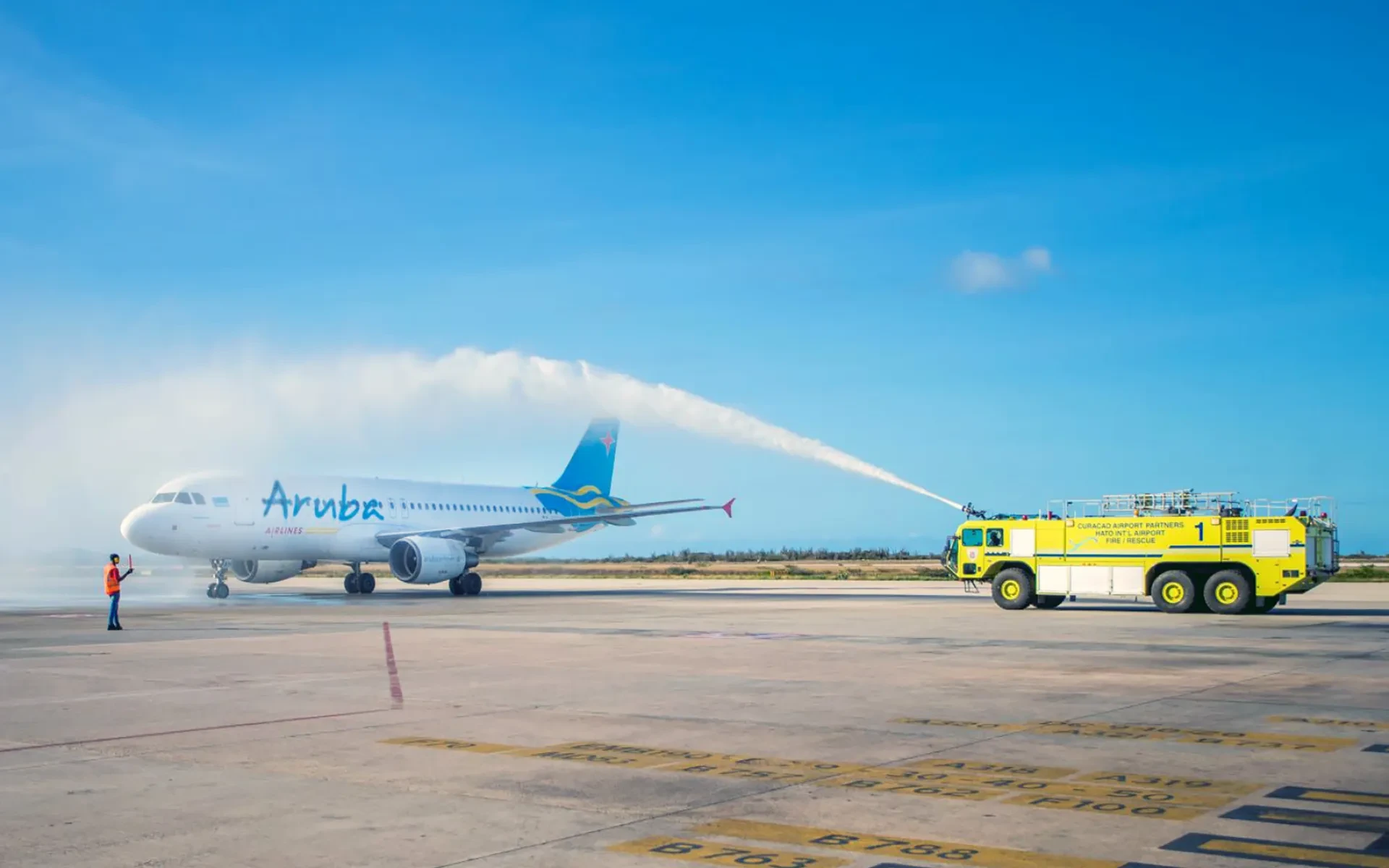
All three ABC Islands have international airports. Aruba and Curaçao have the widest range of direct international flights, while Bonaire has fewer connections.
Aruba is served by Queen Beatrix International Airport (AUA), Curaçao by Curaçao International Airport (CUR), and Bonaire by Flamingo International Airport (BON).
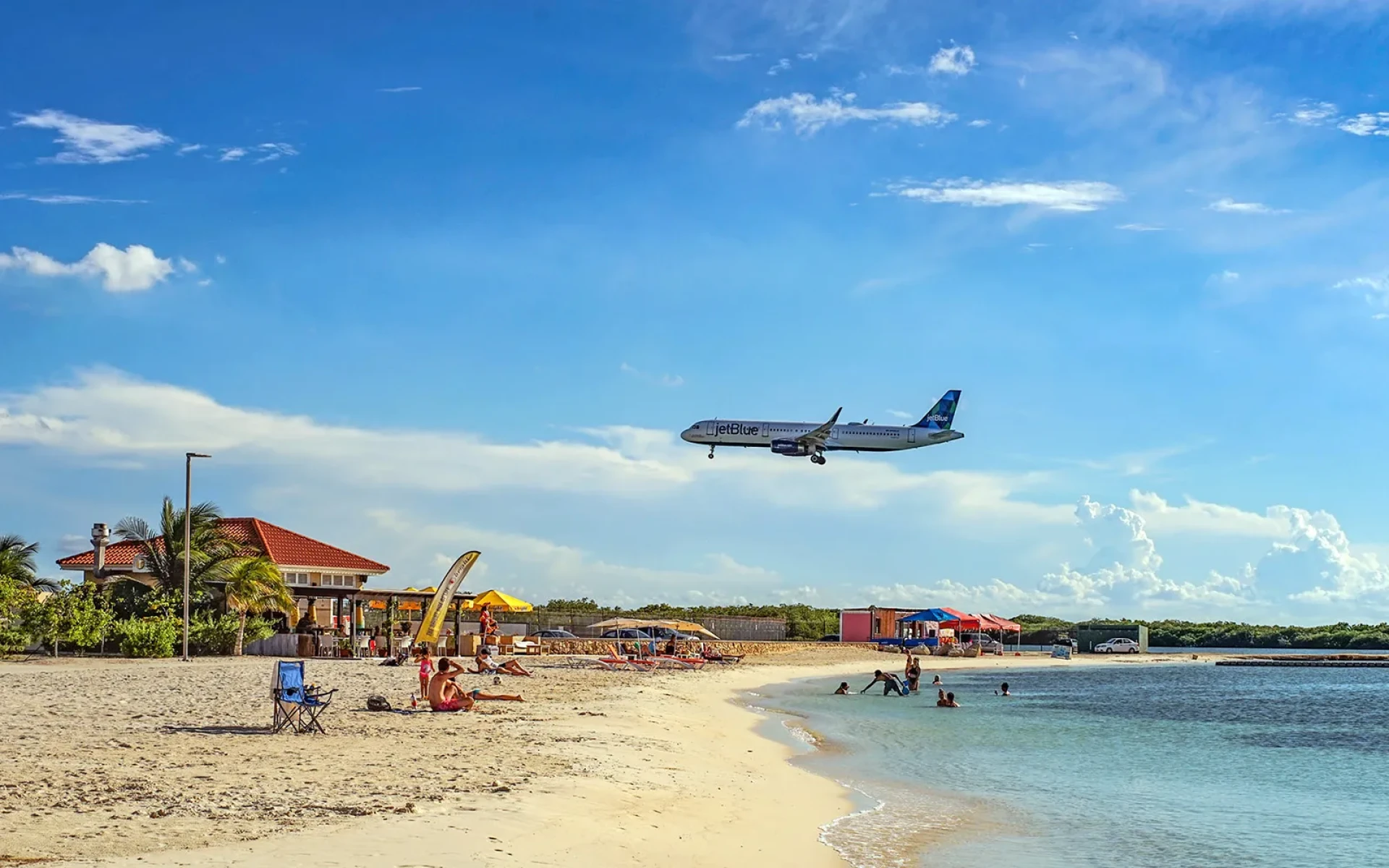
Flying is the easiest way to travel between Aruba, Bonaire and Curaçao. Inter-island flights are short, with most taking well under an hour. The most common carriers are Divi Divi Air and WinAir.
If you plan to visit all three, Aruba–Curaçao–Bonaire is the most logical geographical route.
There is currently no regular passenger ferry connecting Aruba, Bonaire and Curaçao. Despite the short distances, you generally need to fly between the islands.
This is important when planning an ABC Islands trip. Changing islands takes more time than the short distances on a map might suggest.
Visiting more than one ABC Island is easy to add to a Caribbean trip, but you need enough time to make the extra flights worthwhile.
For one island, plan around 5–7 days. For two islands, 8–12 days works well. If you want to visit Aruba, Curaçao and Bonaire in one trip, allow around two weeks.
For a first trip, Aruba → Curaçao → Bonaire is a logical route. It follows the islands from west to east and gives you three very different experiences.
Start with Aruba for beaches and nightlife. Continue to Curaçao for culture, food and exploring. Finish in quieter Bonaire with snorkeling, diving and nature.
If you only have a week, stick to one or two islands. 10 days can be enough to see all three islands if you don't spend full days at the beach and you focus only on the main attractions of the ABC Islands.
Cruises are one of the easiest ways to visit several ABC Islands in a single trip. Aruba, Bonaire and Curaçao are popular ports on longer Southern Caribbean itineraries.
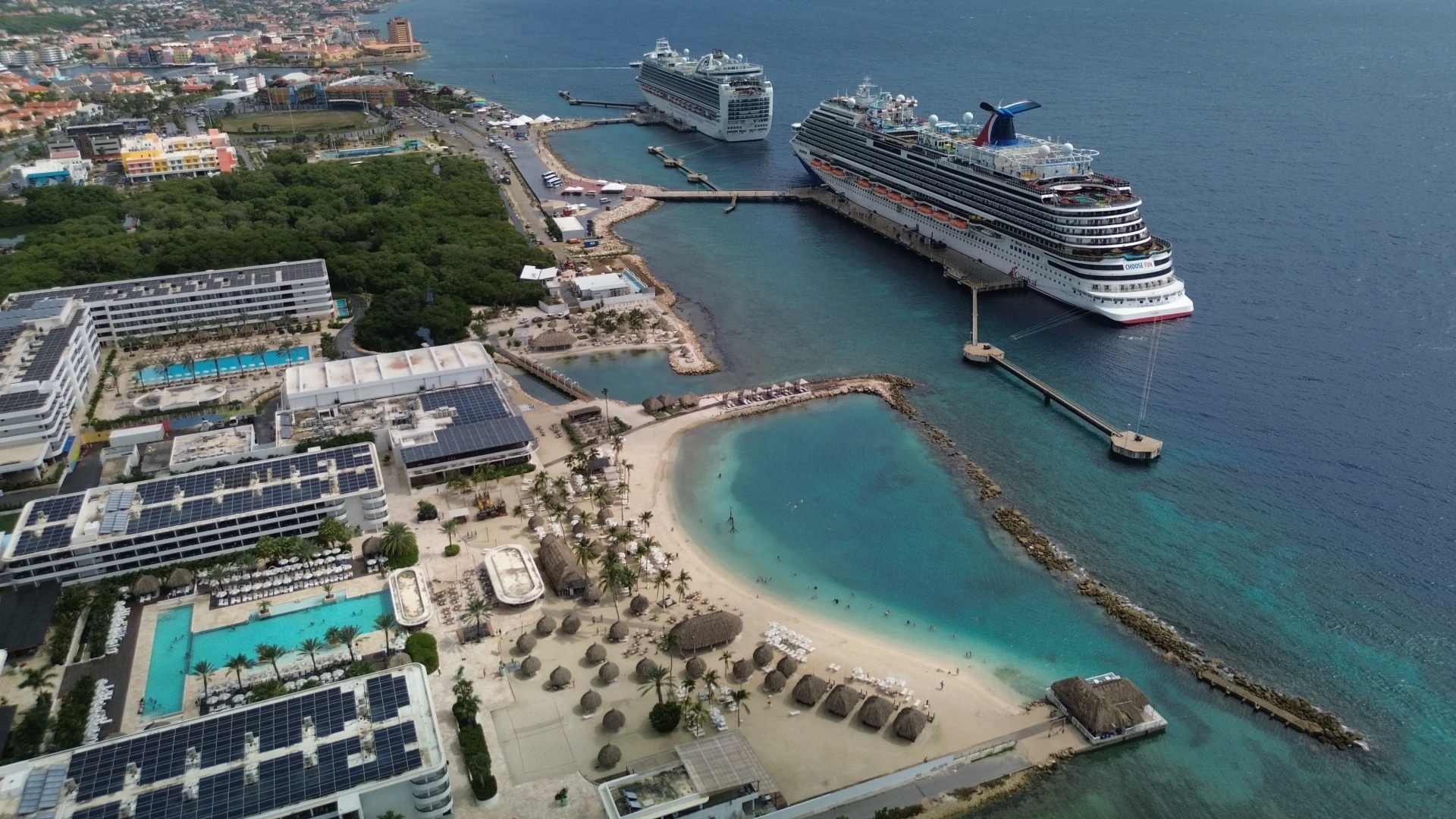
Royal Caribbean, Celebrity Cruises, Carnival, Norwegian Cruise Line and Princess Cruises all offer itineraries that can include the ABC Islands.
Not every cruise visits all three. Some itineraries combine Aruba and Curaçao, while others add Bonaire for a complete ABC Islands cruise.
A cruise is a good option if you want to experience all three islands without taking inter-island flights or changing hotels.
The trade-off is time. Most cruise stops give you only one day on each island, which is enough for a beach trip, island tour or excursion but not enough to explore in depth.
Twistour tip: Plan your shore excursions around what each island does best: beaches and sailing in Aruba, diving or snorkeling in Bonaire, and beaches or sightseeing in Curaçao.
Each ABC Island has a different set of highlights. Excursions in Aruba are plenty, Bonaire for underwater experiences, and Curaçao for combining beaches with sightseeing.
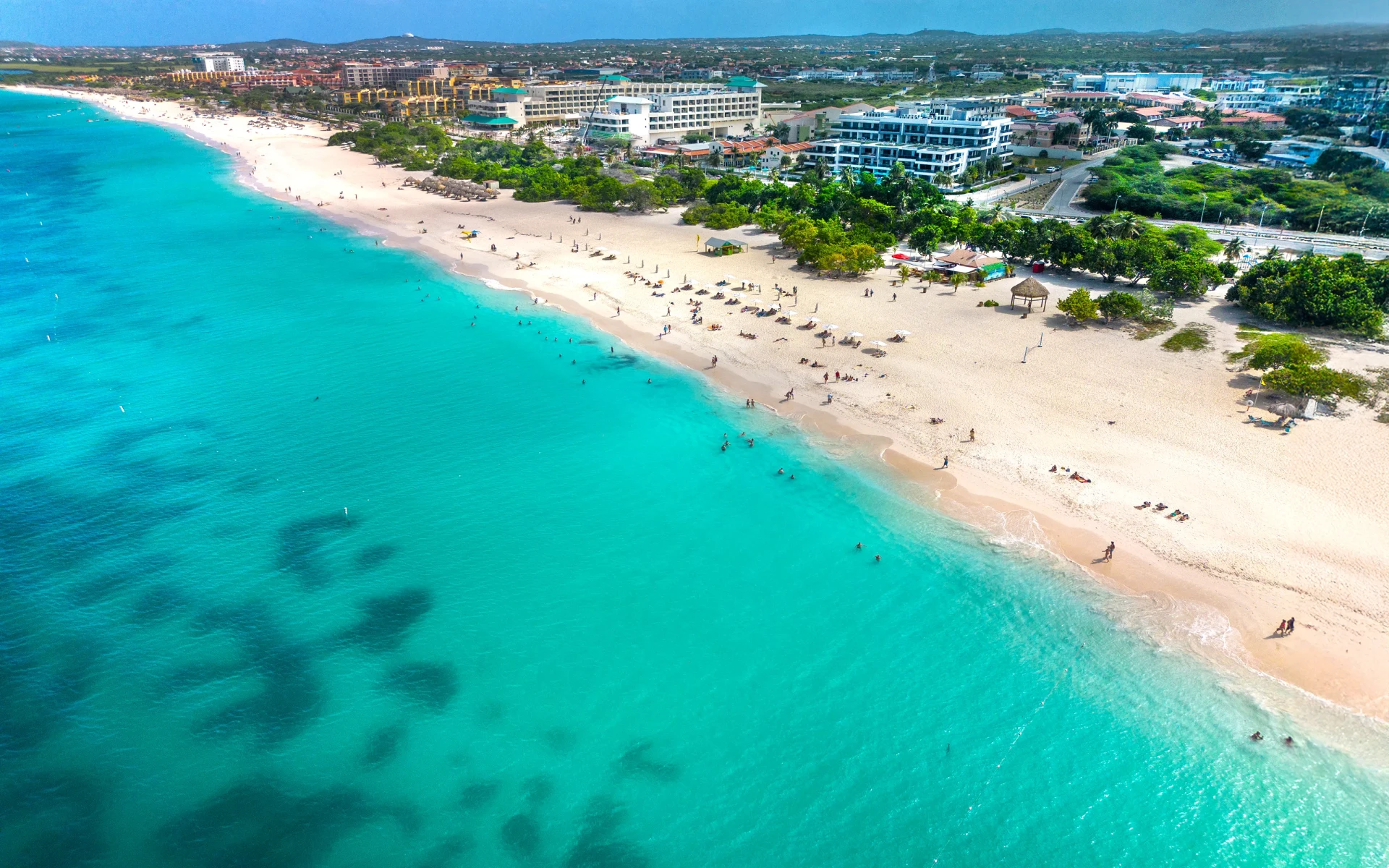
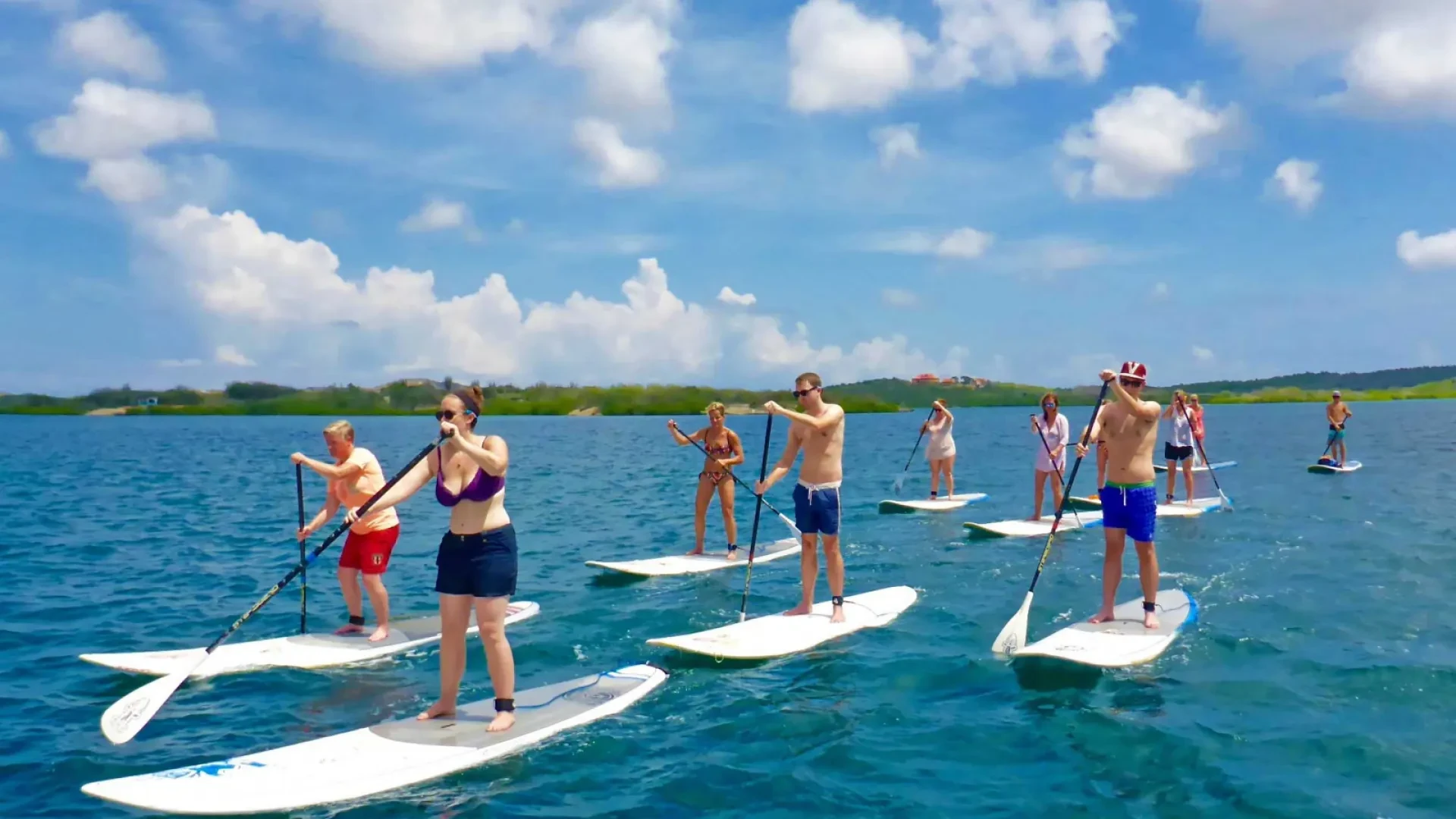
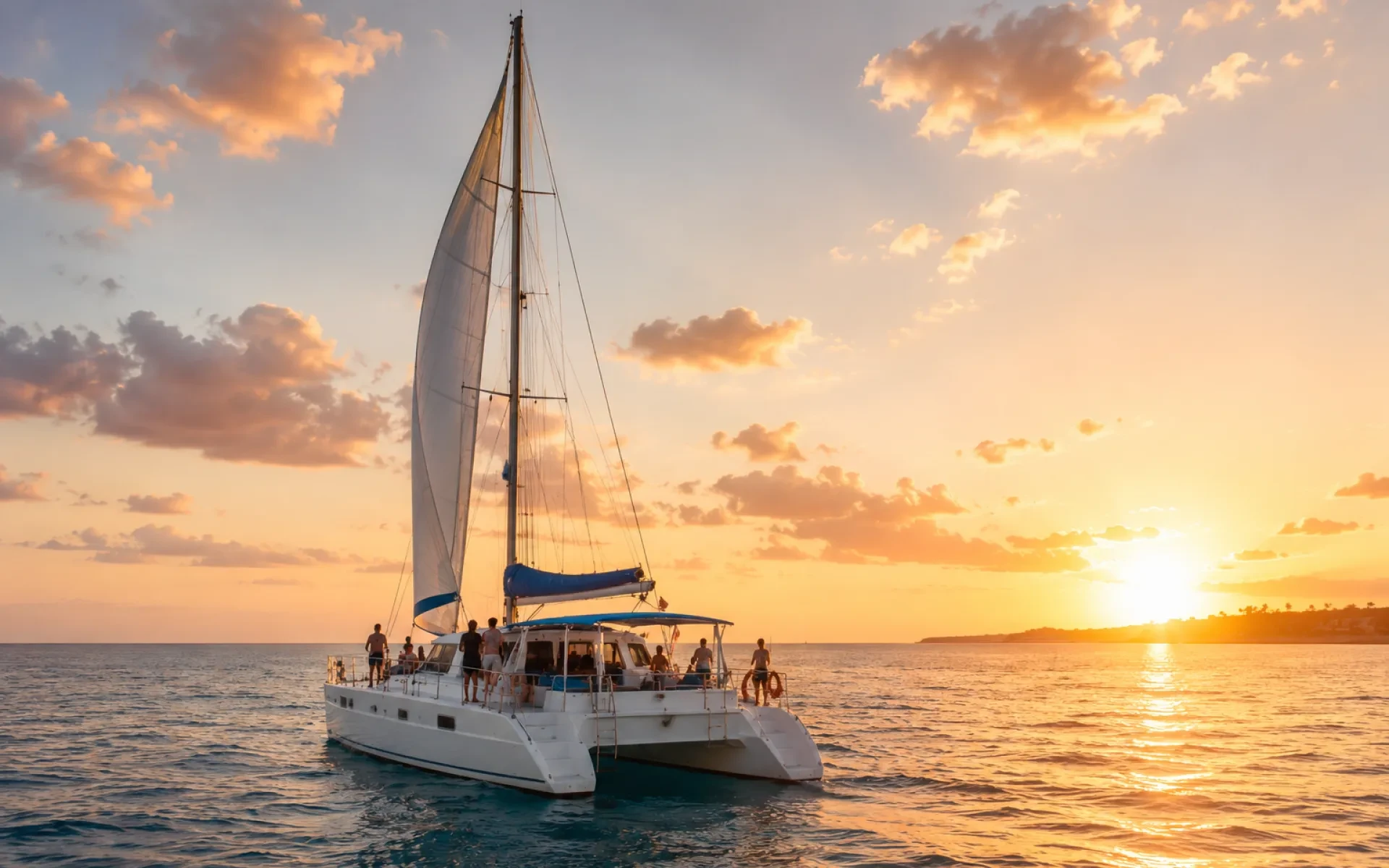
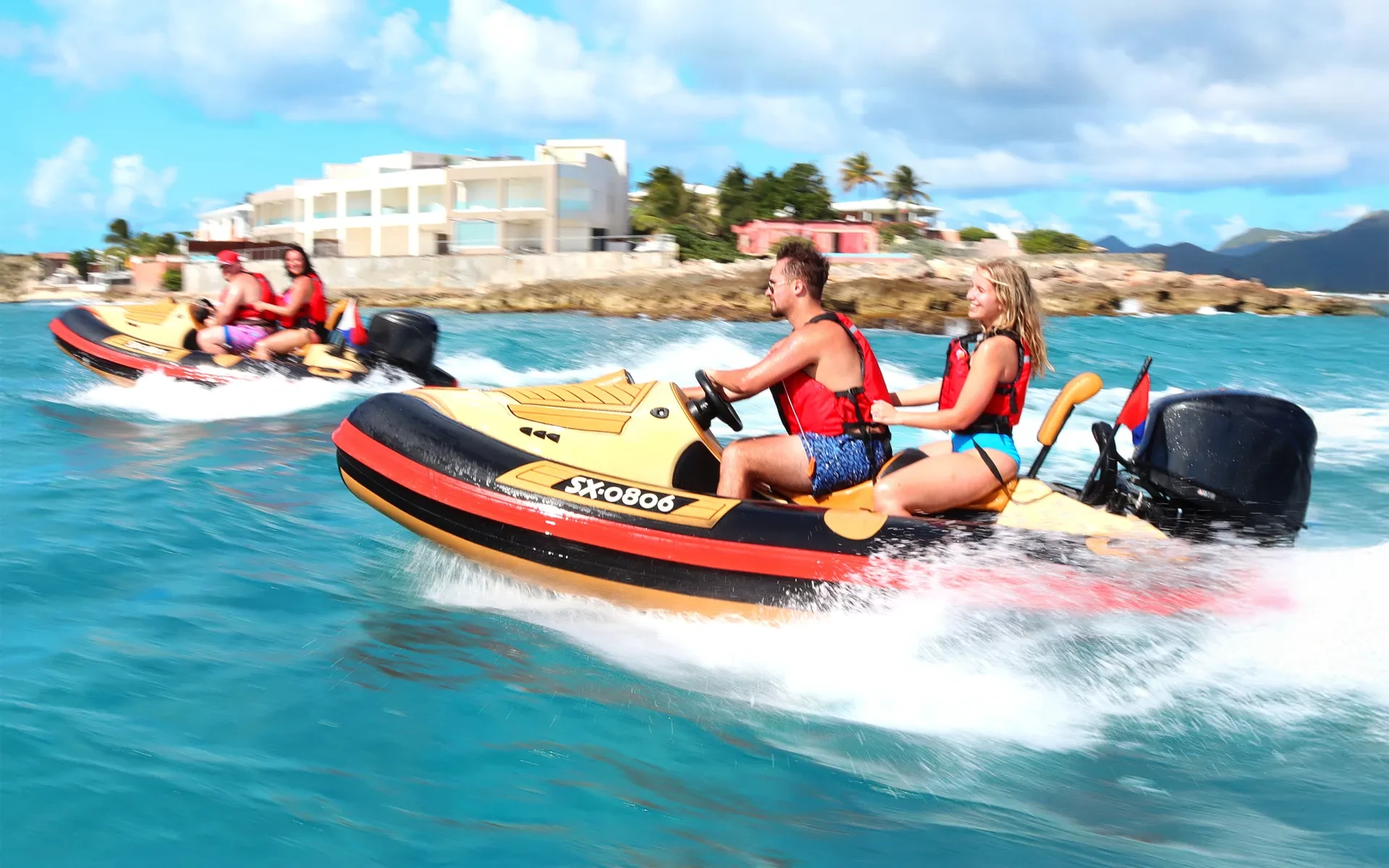
Spend a day on Eagle Beach or Palm Beach, take a snorkeling or sunset cruise, and explore the rugged coastline of Arikok National Park. ATV and UTV tours are also among the island’s most popular activities.
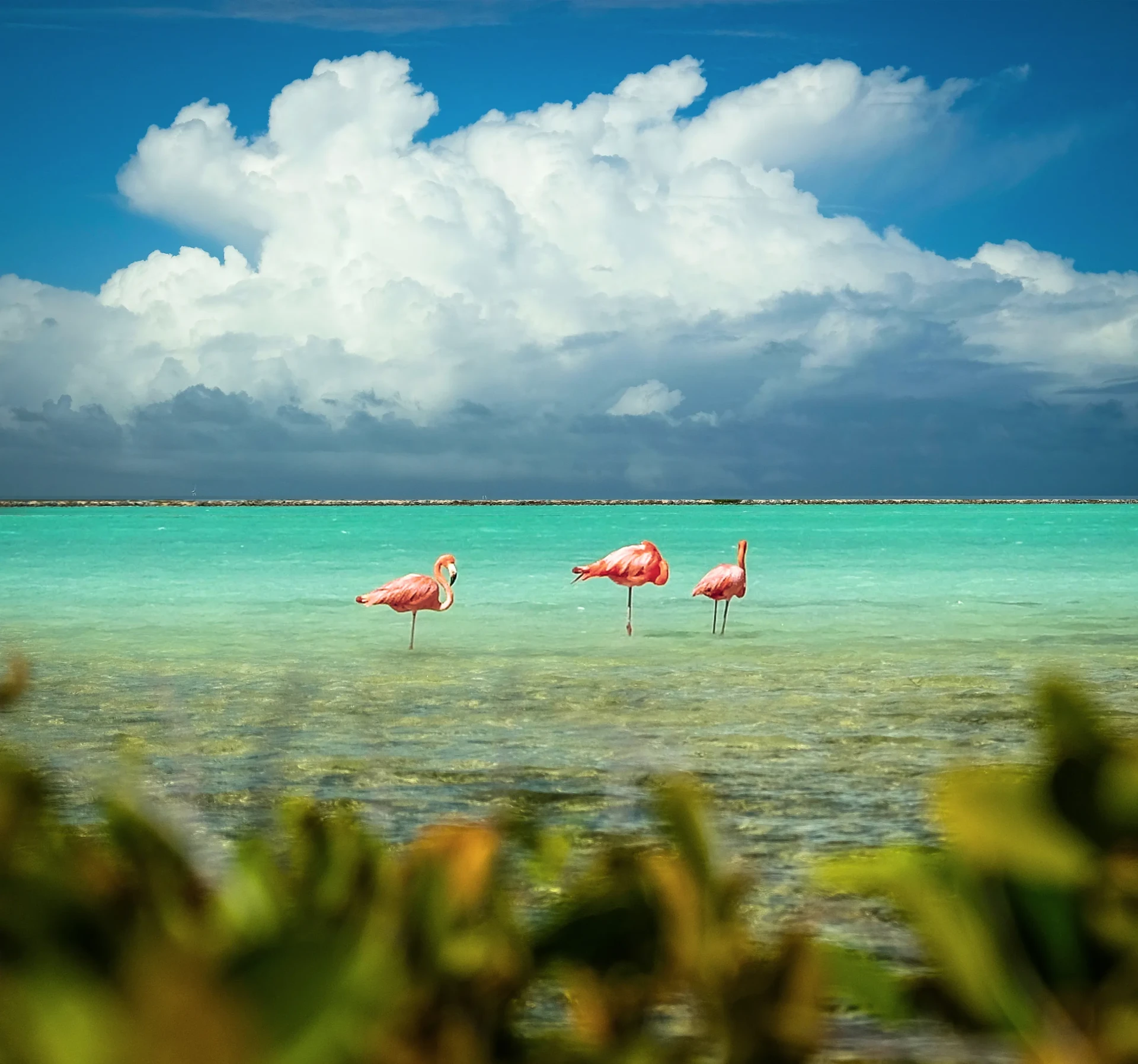
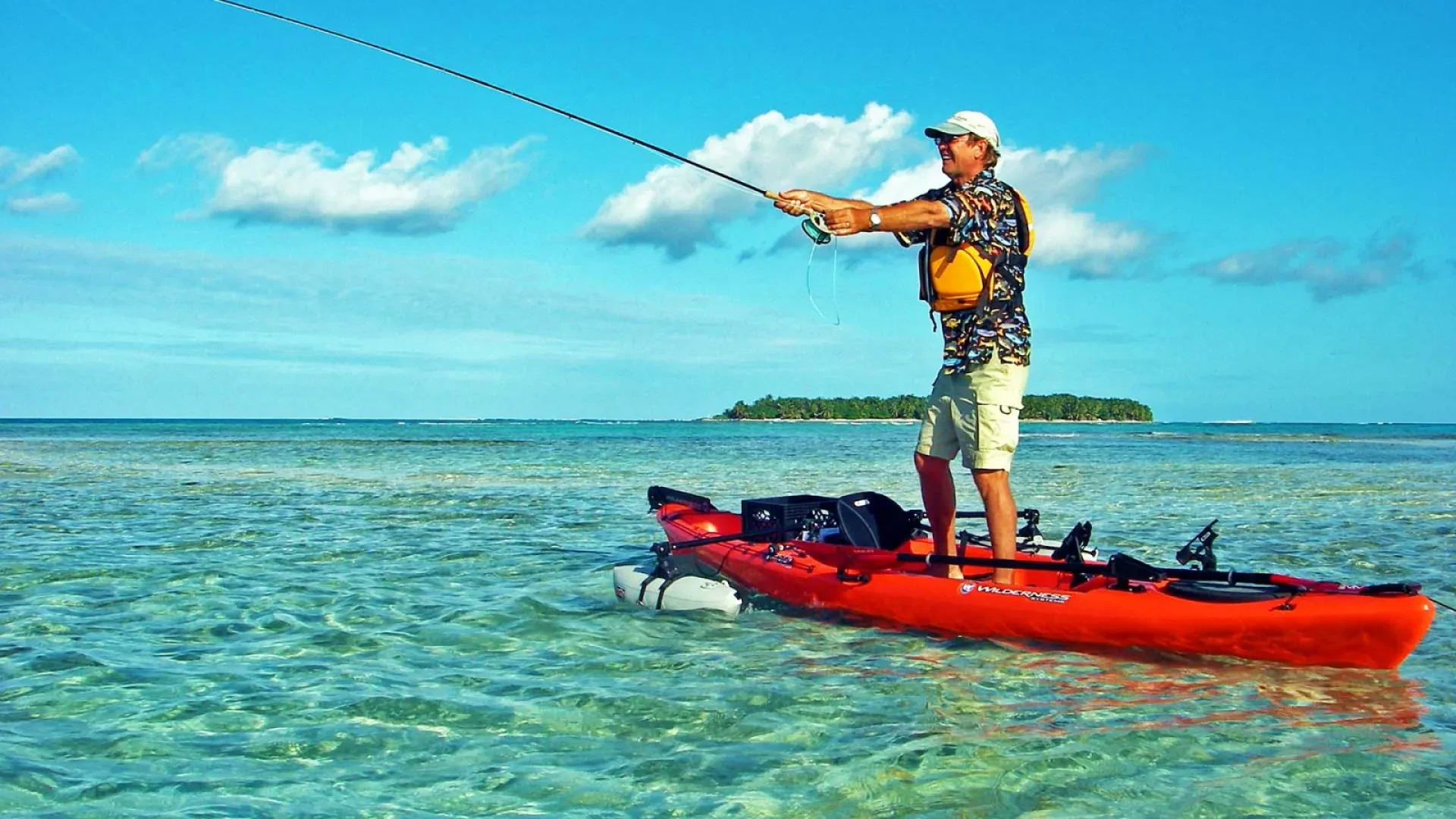
Snorkeling and scuba diving are the main attractions. You can also visit Klein Bonaire, explore Washington Slagbaai National Park, see the salt flats and flamingos, or try windsurfing at Lac Bay.
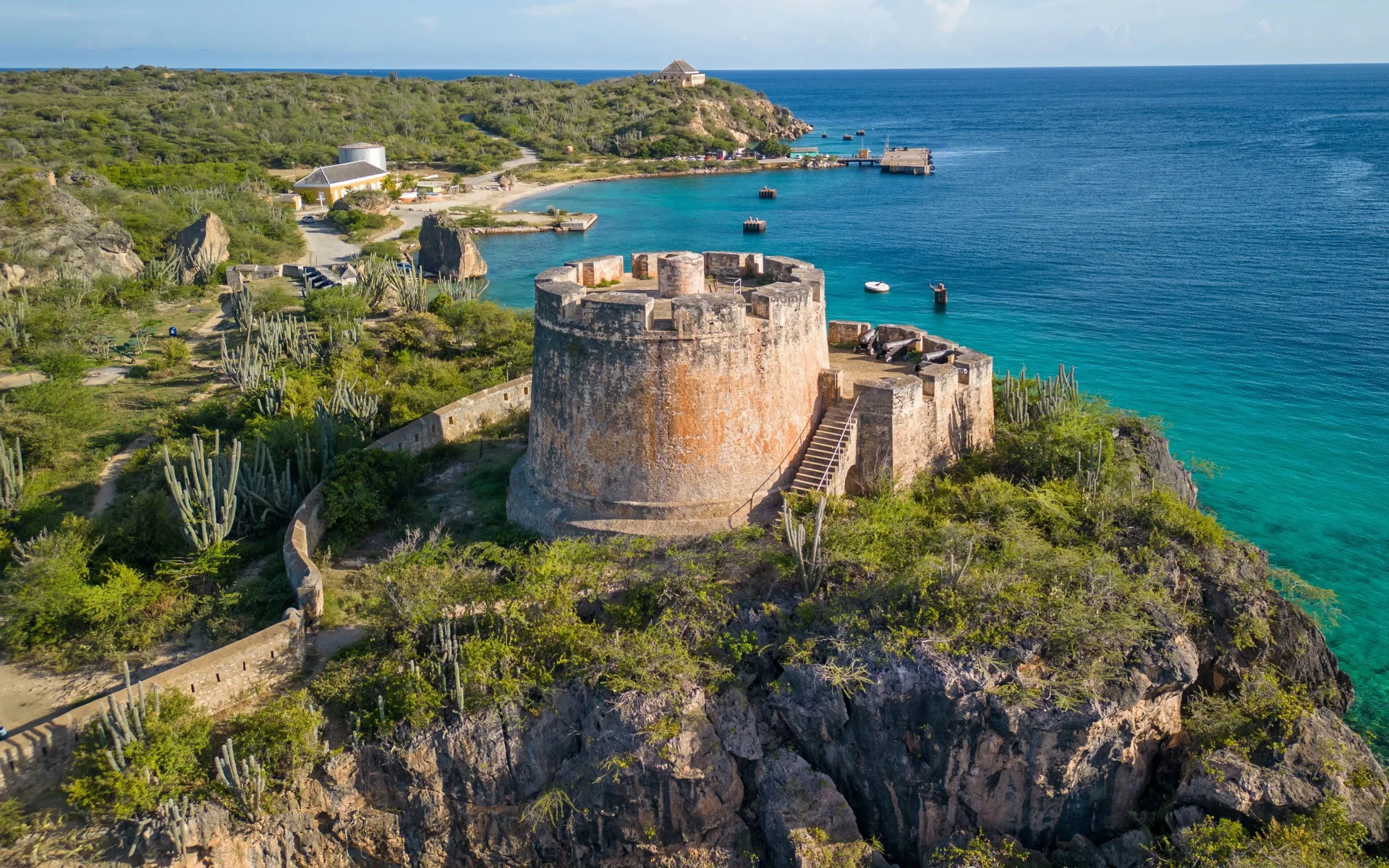
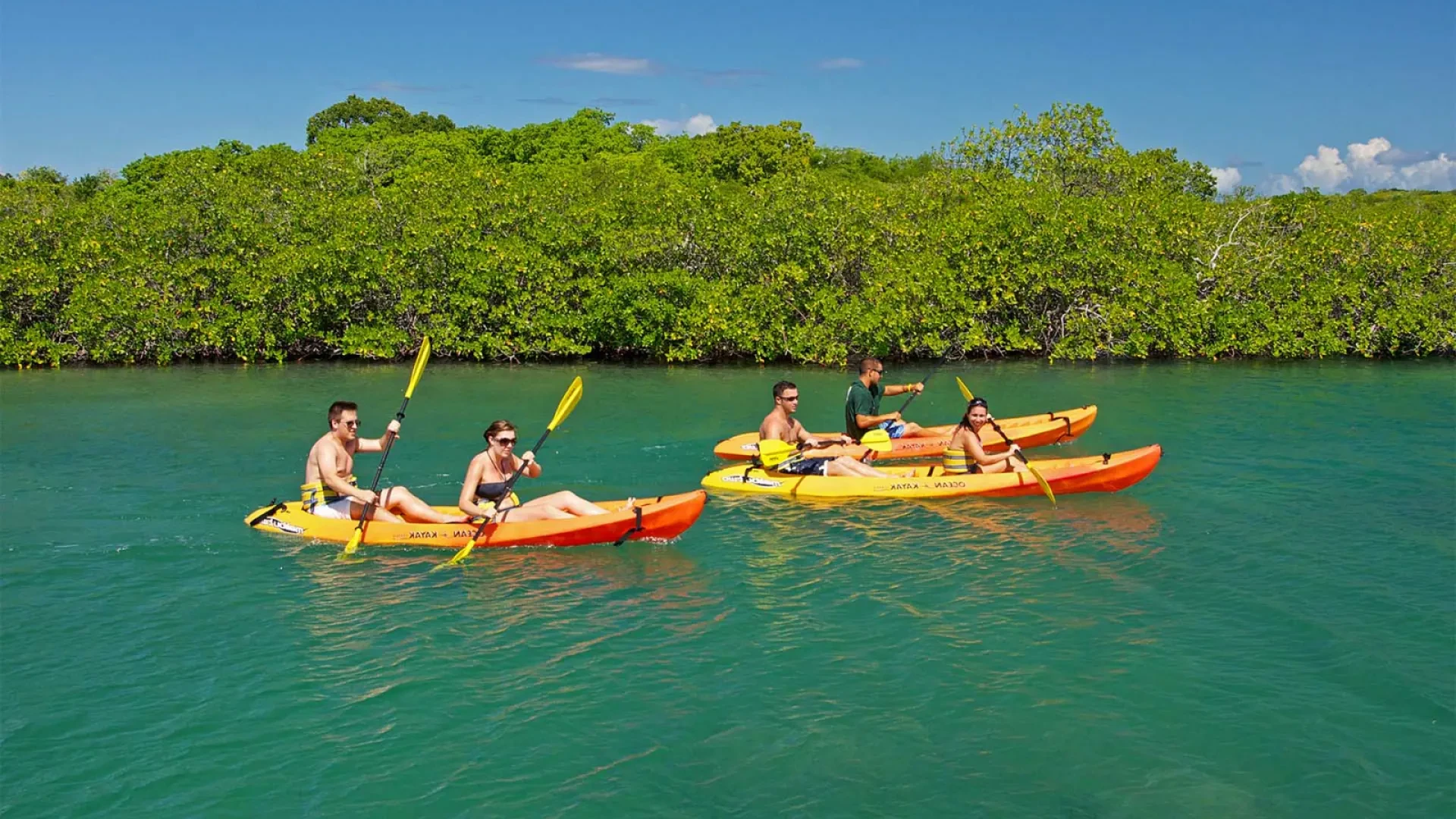
Explore colorful Willemstad, visit beaches such as Grote Knip and Cas Abao, and snorkel in the clear coves along the west coast. Other highlights include Christoffel National Park and boat trips to Klein Curaçao.
Twistour tip: Don’t try to plan the same type of vacation on all three islands. Their differences are exactly what make an ABC Islands trip interesting.
The ABC Islands are easy to travel around, but a few practical details differ between Aruba, Bonaire and Curaçao.
Dutch is an official language across the islands, while Papiamento is widely spoken locally. English and Spanish are also common, especially in tourist areas.
Each island handles money differently. Aruba uses the Aruban florin, Bonaire uses the US dollar, and Curaçao uses the Caribbean guilder. US dollars are also widely accepted in Aruba and Curaçao.
A car is useful but not essential in Aruba, especially if you stay around Palm Beach. In Bonaire and Curaçao, renting a car is highly recommended if you want to explore independently.
Tap water is generally safe to drink on all three ABC Islands. Aruba, Bonaire and Curaçao produce much of their fresh water through seawater desalination.
English is widely spoken across all three islands. Most visitors will have no problem communicating in hotels, restaurants, shops or on tours. The official language of the ABC Islands is Dutch and Papiamento.
Yes, the ABC Islands are the safest islands in the Caribbean. Bonaire has basically no crime, Aruba might have some petty thefts, and Curacao only has some shady areas that are best to avoid at night, but in general, it is also very safe compared to the rest of the Caribbean.
The ABC Islands are not among the cheapest Caribbean destinations. Hotels, restaurants and activities can be expensive, particularly in the main tourist areas.
Aruba generally has the largest selection of upscale resorts and tourist-oriented restaurants. Curaçao offers a broader mix of accommodation and dining, making it easier to travel at different budgets.
Bonaire can also be expensive, especially for diving and rental vehicles. However, its smaller tourism scene includes plenty of apartments and self-catering accommodation.
For all three islands, you can reduce costs by traveling outside the December–April peak season, booking accommodation early and renting an apartment with a kitchen.
The best ABC Island depends on what you want from your Caribbean vacation. Despite their proximity, Aruba, Bonaire and Curaçao suit very different travel styles.
Choose Aruba if you want white-sand beaches, resorts, nightlife and plenty of activities. It is the easiest all-round choice, especially for first-time visitors.
Choose Bonaire if diving, snorkeling and nature are your priorities. It is quieter, less developed and has far fewer crowds.
Choose Curaçao if you want beaches combined with culture, food and sightseeing. It offers the most variety beyond a traditional beach vacation.
Visit all three if you have around two weeks. The differences between the islands make them much more interesting to combine than their location on the map might suggest.
The ABC Islands are Aruba, Bonaire and Curaçao. They are three Dutch Caribbean islands located in the southern Caribbean, just north of Venezuela.
Aruba is best for a classic beach vacation, Bonaire for diving and snorkeling, and Curaçao for a mix of beaches, culture and sightseeing. There is no single best island for every traveler.
Aruba has the best long, white-sand beaches, including Eagle Beach and Palm Beach. Curaçao is better if you prefer smaller beaches, hidden coves and more variety.
Bonaire is the best ABC Island for scuba diving and snorkeling. Its protected reefs, clear water and numerous shore-accessible dive sites make underwater activities one of the island’s biggest attractions.
Choose Aruba for long beaches, resorts, nightlife and an easy vacation. Choose Curaçao if you prefer exploring, local culture, restaurants and a larger variety of beaches.

Creating this travel magazine takes an insane amount of time and money. If you’ve found it useful and would like to support me in helping other travelers like you, your donation would go a long way. Thanks, you’re the best!