Patrick
October 28.
Been there. Done that.
Been there. Done that.
October 28.
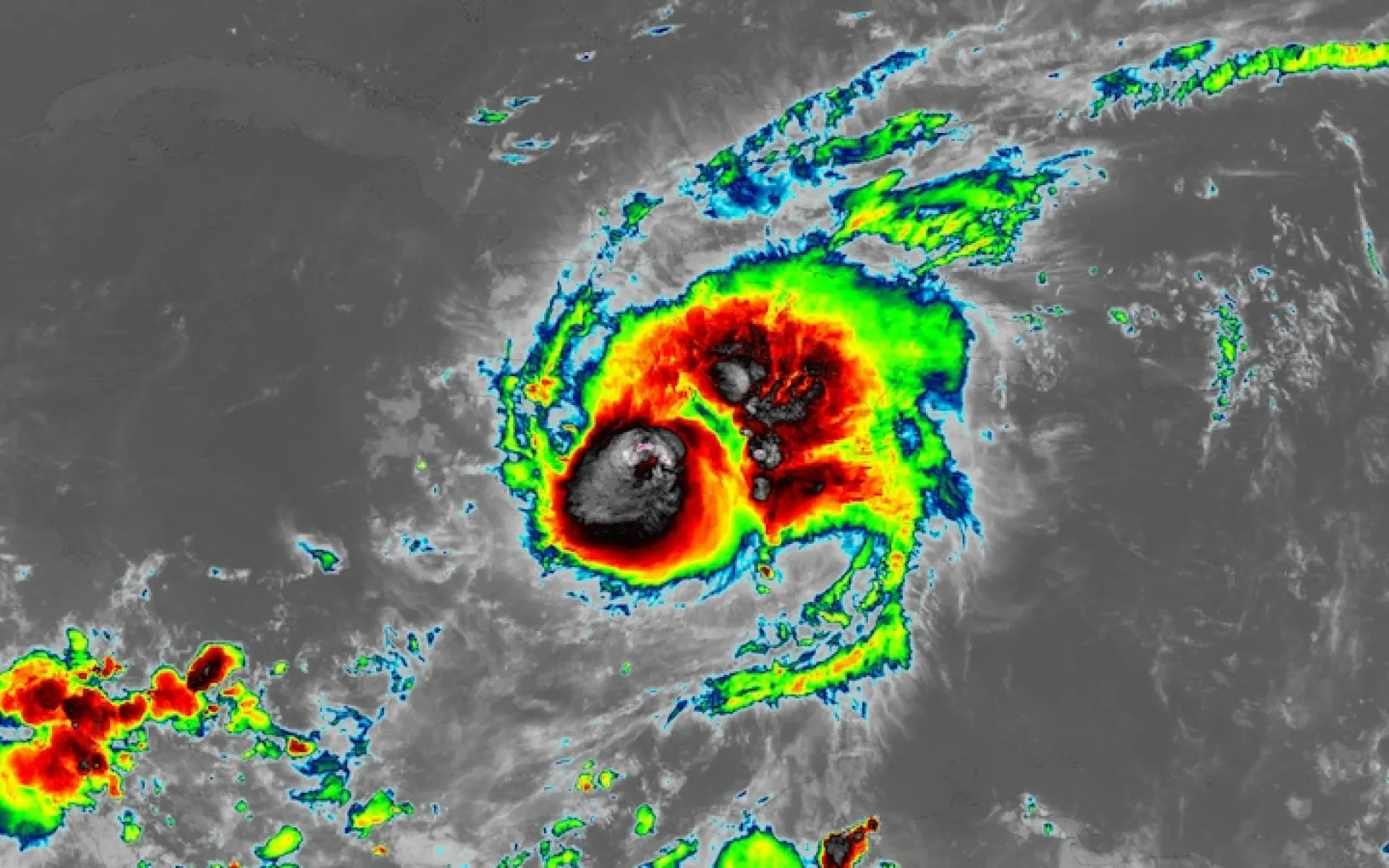
Kingston, Jamaica — October 28, 2025 (local): Hurricane Melissa slammed into Jamaica today as a Category 5 monster with sustained winds near 185 mph (295 km/h) and a central pressure around 892 mb, the strongest hurricane landfall on the island since reliable records began in 1851.
The eye crossed the south coast near St. Elizabeth Parish/New Hope and is tracking north–northeast across the island, unleashing life-threatening wind, storm surge, and flooding rains.
Early reports describe widespread structural damage, roofs torn off near the core path, downed trees and power lines, and mass power outages across several parishes. Flash flooding and landslides are ongoing, with rainfall totals projected to reach 15–30 inches (380–760 mm) in places — especially where the slow-moving eyewall stalls over mountainous terrain.
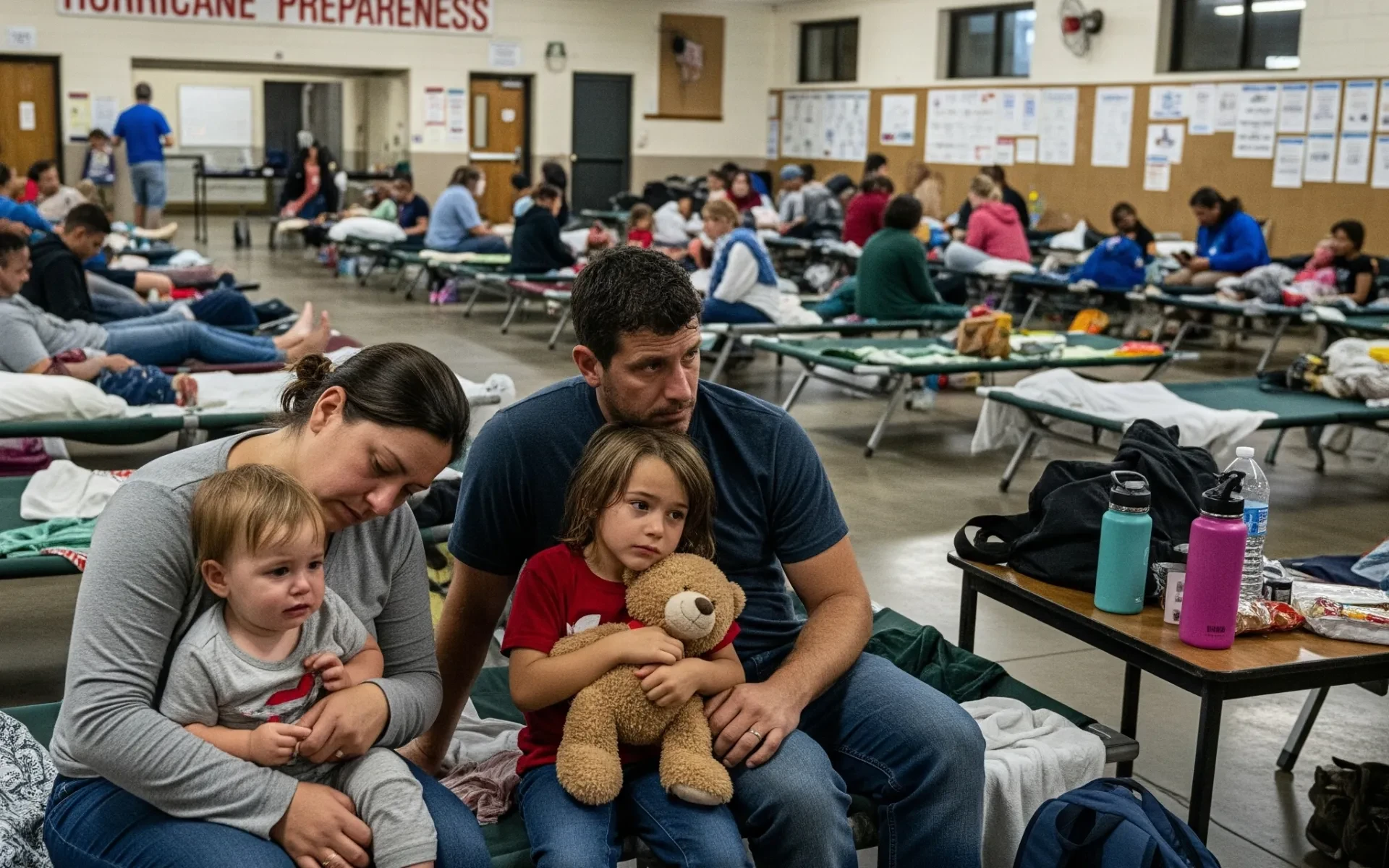
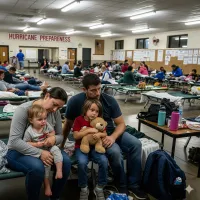
Prime Minister Andrew Holness ordered evacuations in low-lying and surge-prone areas ahead of landfall. Authorities opened 800+ emergency shelters nationwide; humanitarian agencies estimate ~1.5 million people could be directly affected. Turnout at some shelters remained limited prior to impact, even as officials pleaded for residents to move to safety.
Jamaica’s two main international airports suspended operations as the storm approached. Surface transport is disrupted across much of the island; authorities urge residents to remain off roads until the all-clear is issued.
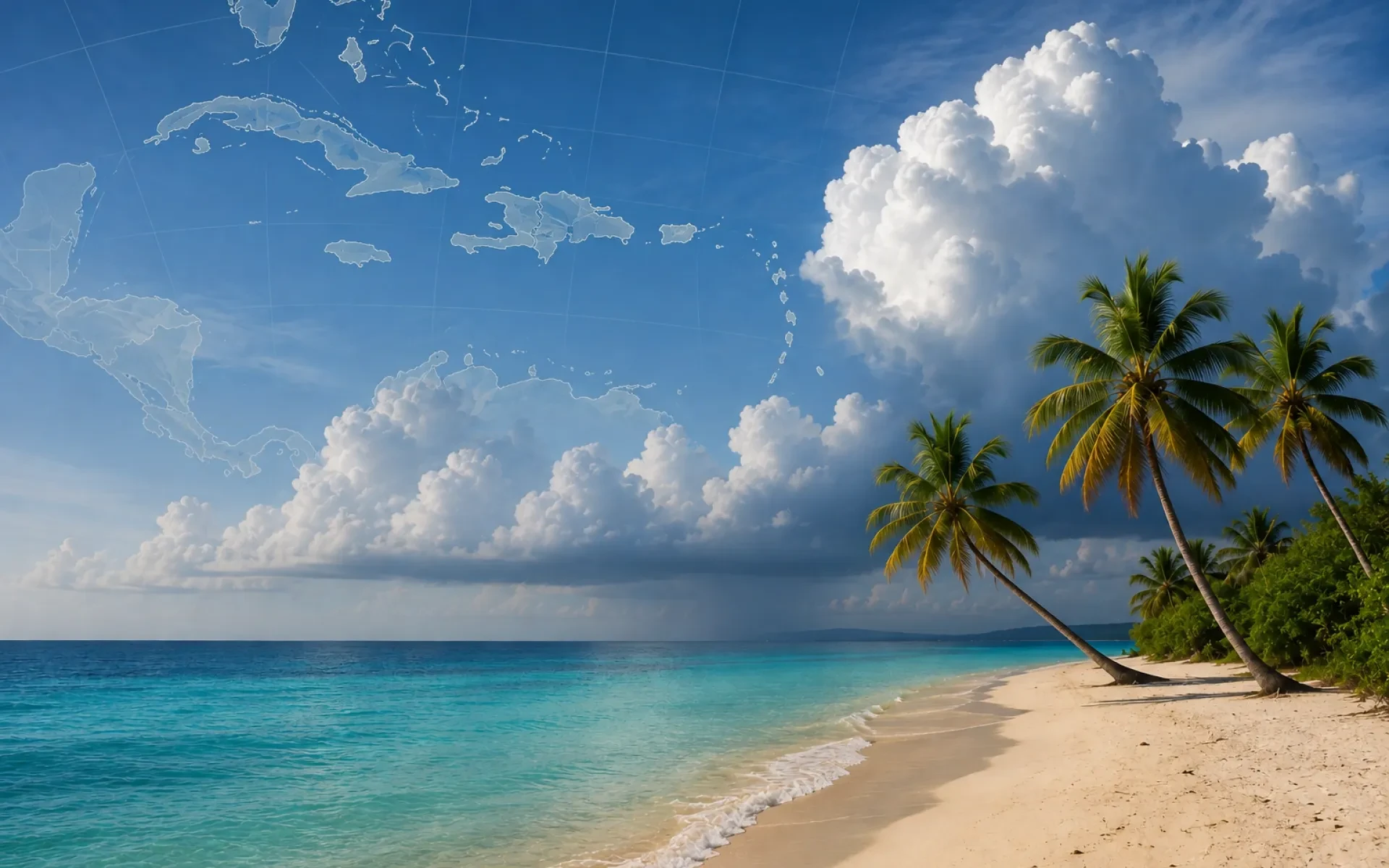
Melissa is weakening slowly over land due to interaction with Jamaica’s terrain, but catastrophic wind and rainfall threats remain in the eyewall and inner bands. The system is forecast to emerge over the Caribbean and head toward eastern Cuba late Tuesday or early Wednesday, with impacts also possible in the Bahamas, Haiti, and Turks & Caicos thereafter.
Meteorologists note Melissa’s rapid intensification over exceptionally warm western Caribbean waters, consistent with research showing that warmer seas and moister atmospheres can fuel more extreme hurricanes. While attribution studies take time, scientists say this event fits a concerning trend of stronger, wetter storms in a warming climate.

Creating this travel magazine takes an insane amount of time and money. If you’ve found it useful and would like to support me in helping other travelers like you, your donation would go a long way. Thanks, you’re the best!